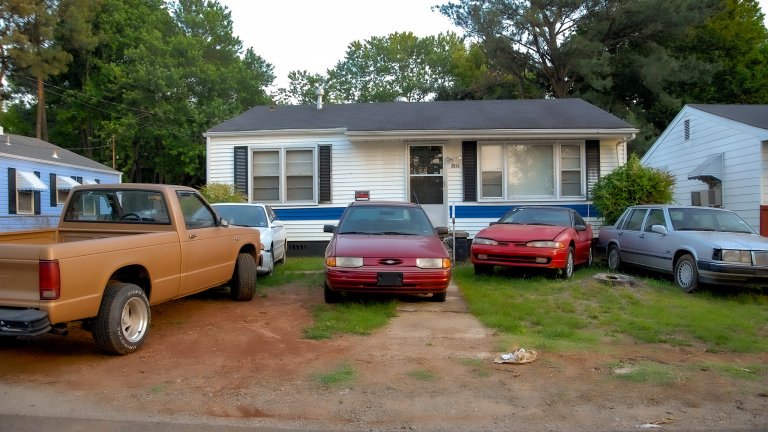
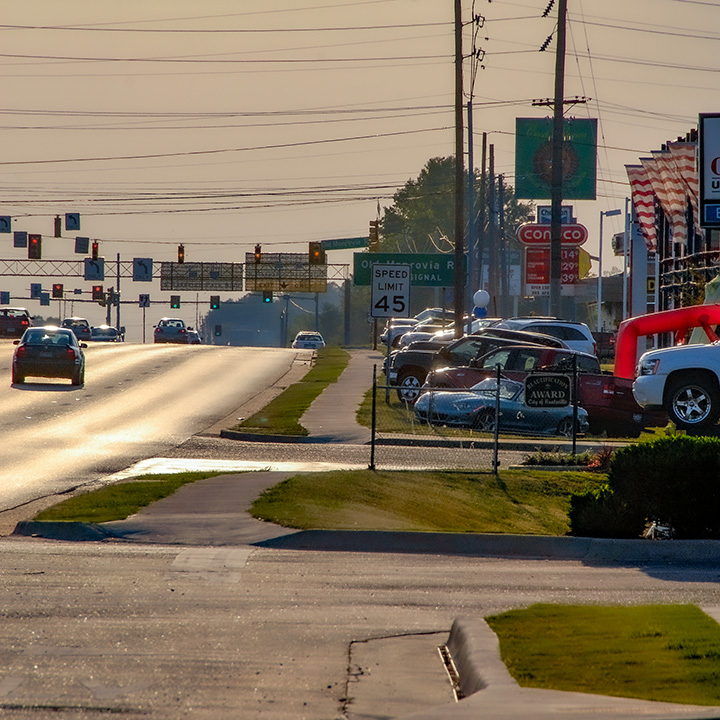
A substantial number of Americans will soon be forced to live in poverty conditions because they live in sprawl, and this number will expand as fuel costs continue to rise even more. Here’s why:
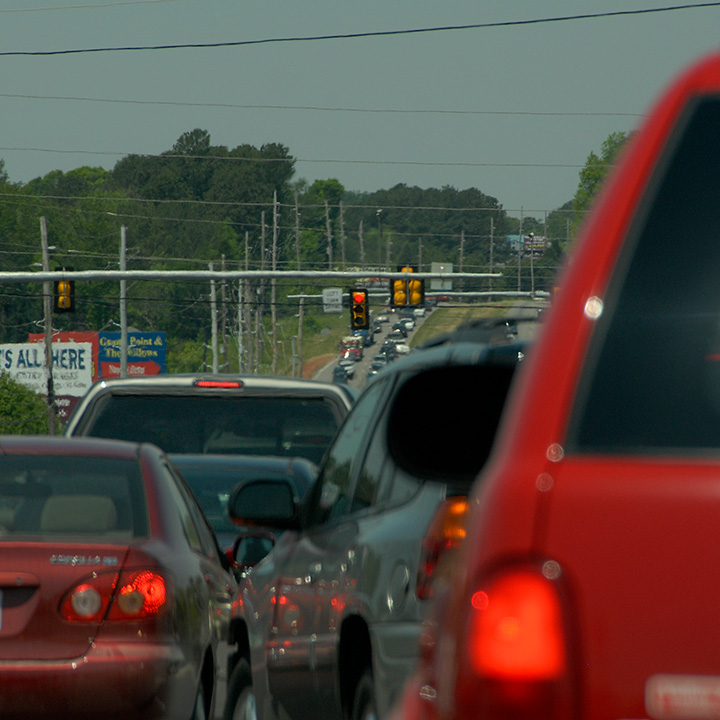
Direct Costs
The average cost of owning and maintaining a car (payments or lease, insurance, taxes, repairs, washing, oil, gas, parking, etc.) varies between $7,000 and $10,000 per year, depending on where you live. My auto insurance quadrupled, for example, when I moved to Miami where there are more wrecks. Fortunately, we were able to get rid of our second car because South Beach is so walkable, so that helped a lot. But in most places, that’s not possible.
If you live in sprawl, you are not economically viable without a car because you must drive everywhere. And your kids aren’t socially viable without one, either, so as soon as they turn 16, expect them to be clamoring for their first car. This means that a family of four with everyone 16 or above most likely has 4 cars.
Cars vs. Houses
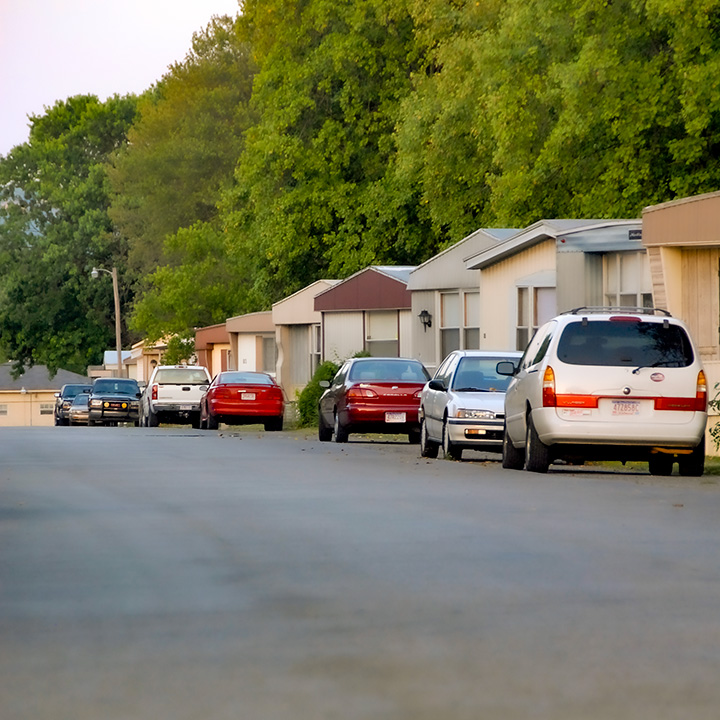
If you’re frugal and stay near the bottom of the range of total car costs, then that’s still 4 x $7,000 = $28,000 per year for the cars your family needs to be economically viable! Today, if you’re able to get a mortgage on a house, converting that $28,000 per year to home mortgage payments would buy you a house worth at least $350,000. So a family of four which can afford a $150,000 house in sprawl (it’s hard to find one less expensive than that in the sprawl of most markets) could afford a $500,000 house in a highly walkable place where they need no car, all other things being equal.
Fortunately, there's now a tool known as a location-efficient mortgage (LEM) which helps with that. Designed for people buying a home in a place where car-dependence is minimal or even non-existent, it was developed by my friends at the Center for Neighborhood Technology and the Natural Resources Defense Council.
From Car-Free to Homeless
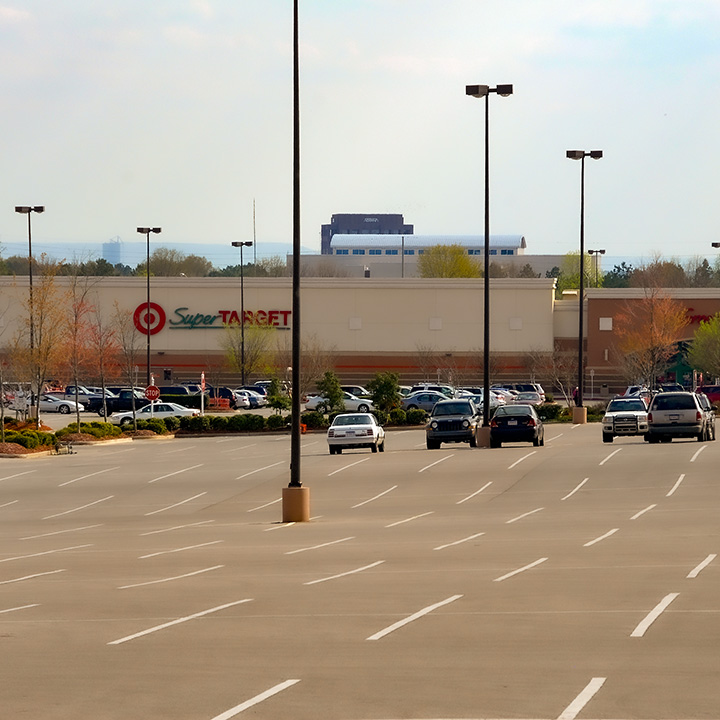
Going the other direction, a family of four which owns a $350,000 house in a highly walkable place where they need no cars would suddenly find themselves homeless if they moved into sprawl where everyone needs a car! But at least they could live in those cars, right?
Here’s another way of looking at it: the poverty line is just over $22,000 for a family of four in the 48 contiguous US states. That family of four living in poverty in a highly walkable place would suddenly have to make over twice as much money to maintain their poverty-ridden standard of living if they decided to move out into sprawl. What a burden sprawl really is!
When Gas Goes Up
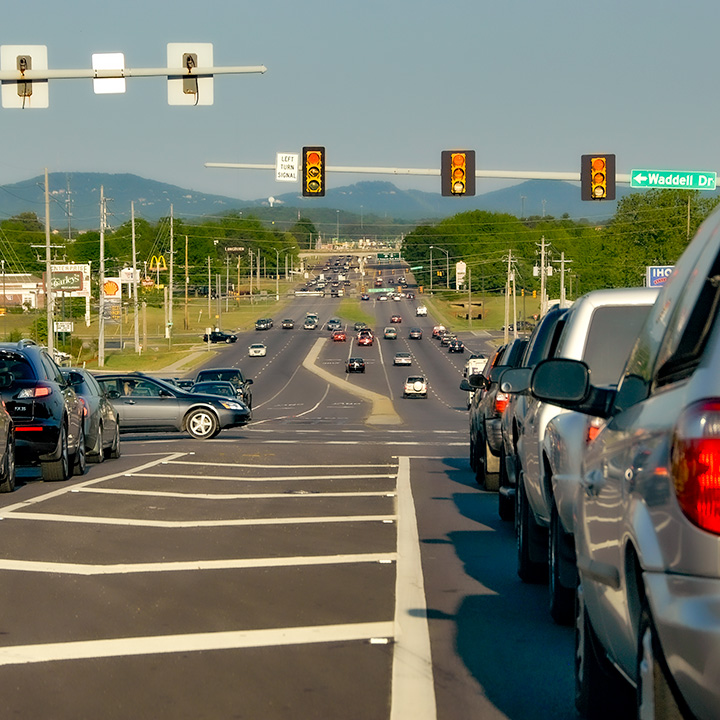
Here’s one more direct cost to consider: what happens when the cost of gas goes way up? 2-1/2 billion people are now moving into the city in China and India (and many millions are doing the same in other populous countries as well.) Here in the US, we have a little more than one car per person, not counting work trucks and buses. If China and India do 2-1/2 times as well in their need for cars as the US, then there will be over a billion cars on the road in a few years, just in those two countries. I don’t care what you think about Peak Oil... this is economics 101. Pure supply and demand. Even if the supply does remain steady and Peak Oil doesn’t kick in, we’ll have a billion cars competing with our 300 million cars. You do the math.
$20/Gallon
I don’t know how soon gas will get to $10/gallon, or to $20/gallon. What I do know is that going from $5/gallon a couple summers ago to $20/gallon is only a factor of four. I can remember when I was a kid in the early 1970s, just before the first Arab oil embargo, that gas regularly got as low as $0.299/gallon, and during a “gas war,” it could go as low as $0.199, or just under twenty cents per gallon. (Curious how “gas war” has taken on an entirely different meaning now, isn’t it?)
Going from there in the early 1970s to $5/gallon is a factor of 25 times. So if it does what it’s been doing since just before the embargo (25 times higher in 38 years,) it’ll get to $20/gallon (four times higher) in another 6-7 years... and that’s without the Billion Car Effect.
When gas gets that high, how many other people will be forced into Automobile Poverty? Will you be one of them? Sprawl is quickly becoming a burden too great for America to bear.
See Part 2 for more reasons our cars are making us poorer.

