
Adaptable Buildings
The building in this image began as a Savings & Loan institution; those institutions do not even exist today. It was a Banana Republic when I took this picture, but the holes on the wall for other signage indicates it has housed other uses between the original use and the Banana Republic. And on a recent trip I discovered it housed yet another use. So the building's high adaptability has allowed it to be used for several things in the decades since its construction.
Within a durable shell, a building must be extremely adaptable if it is to last for centuries. We cannot even conceive of how many uses a building might be put to in thirty or forty generations, which is how long buildings may last if they are both lovable and durable. So the interiors must be able to be recycled again and again to adapt the building for future uses that may not even exist today.

Adaptability Principles
How is it possible to prepare for uses that do not yet exist? Here is what we know, or at least believe that we know: The durable shell of adaptable buildings should allow for attachment of interior improvements. Because our history over the past two centuries has been one of increasing the number of wires, pipes, and ducts rather than decreasing them, Adaptable buildings should have a strategy for channeling services through all their rooms. Because our energy outlook over the next thousand years is most uncertain, buildings designed to be naturally frugal should also be more adaptable. Beyond these, the other items that follow are simply today's best guesses.
Function Follows Form
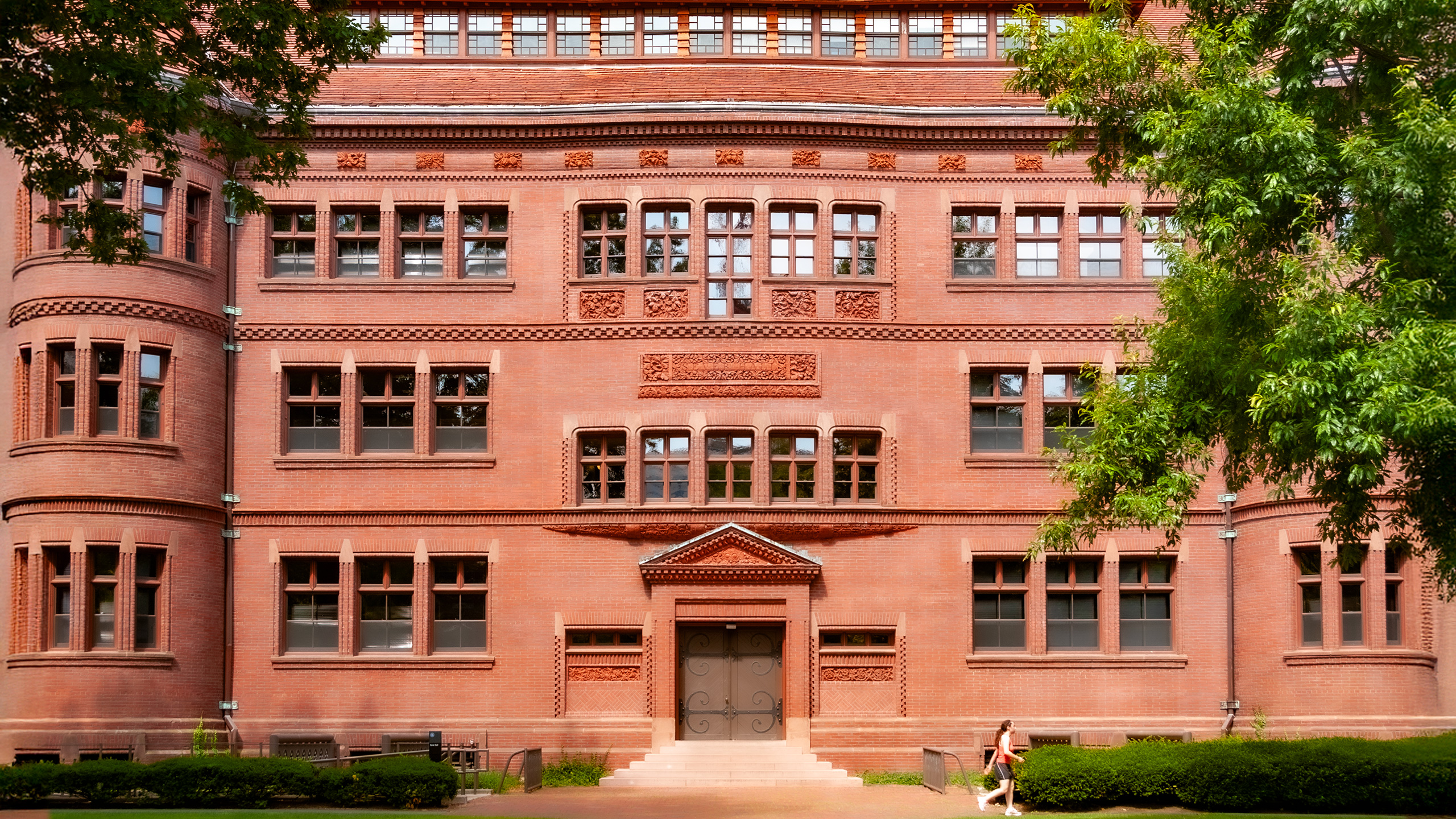
Louis Sullivan, as brilliant as he was on so many things, got Form Follows Function exactly backwards if the building is to be adaptable for future uses. A building, the use of which fits hand-in-glove into its shell, is by definition unsustainable because once the use becomes obsolete, the building fit tightly around that specific use becomes obsolete. So design only for the broadest of uses. A building where people gather. A building where things or services are sold, etc. Buildings designed this way stand a stronger chance of being useful for many things long into an uncertain future.
Tiny Buildings
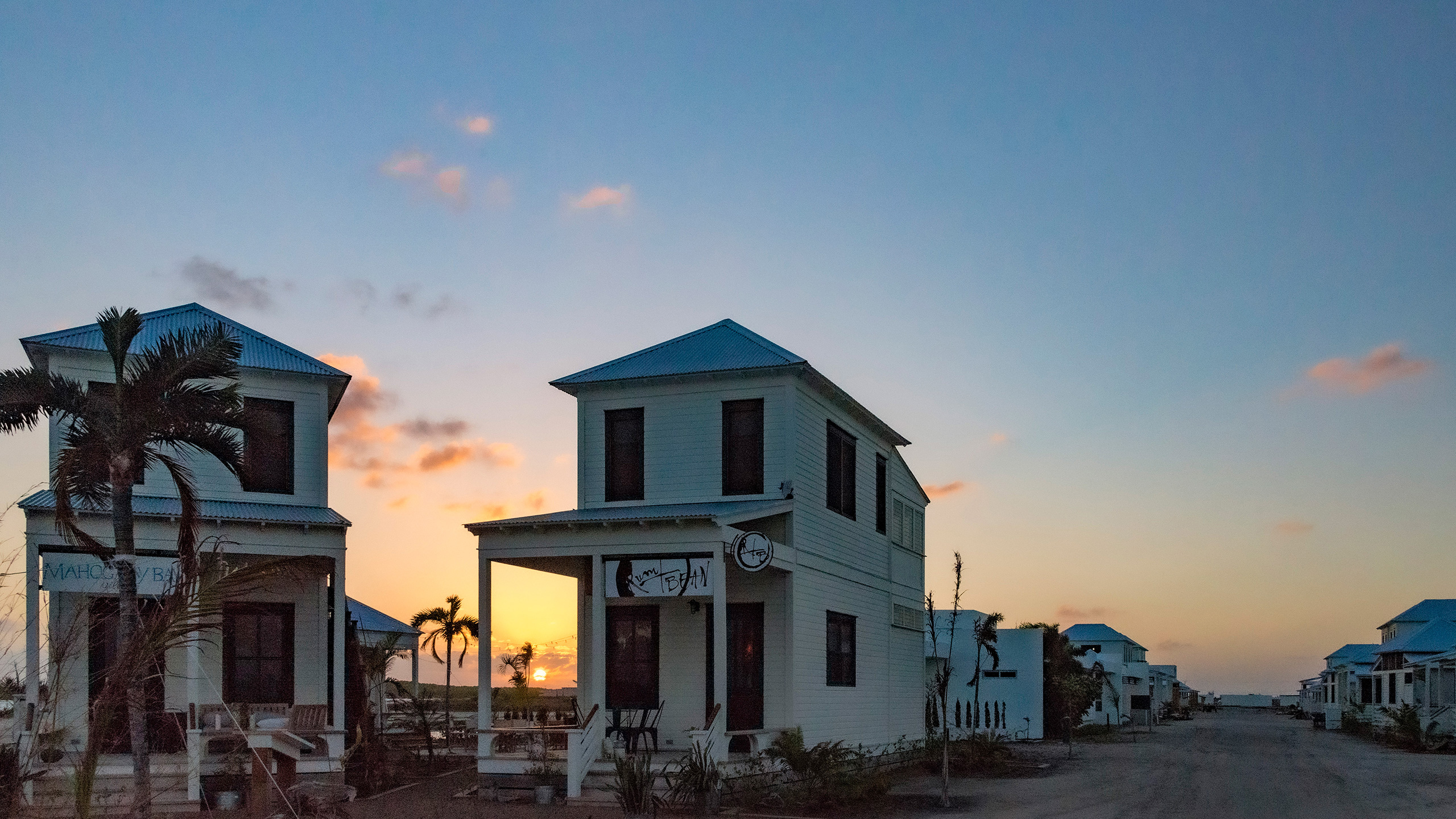
As strange as it sounds, tiny buildings are more adaptable for future uses than larger ones. These two buildings, for example, each have a 1-bedroom apartment upstairs and a business downstairs. Because they are so small, the business spaces are each just one big room in front and a smaller service room in back. That general arrangement could easily be used for many other types of tiny businesses which would only be differentiated from the current uses by furnishings.

Family Home
This is a different type of adaptable building in that it does not adapt to various uses over time, but rather to different generations of the same family because it can house children, parents, and grandparents well in three different suites. Wanda and I designed it as an idea house, and the ability of the house to stay in the same family indefinitely was one of the big ideas.
Here's how it works: when the grandparents pass on, the parents move into the grandparents' suite and whichever adult child inherits the house moves into the parents' suite with their spouse and eventually populate the children's suite upstairs when the next generation comes along.

Adaptable Conditions
There are several building design conditions that allow buildings to be more adaptable over time. The conditions below are arguably the top four.
Massing Simplicity
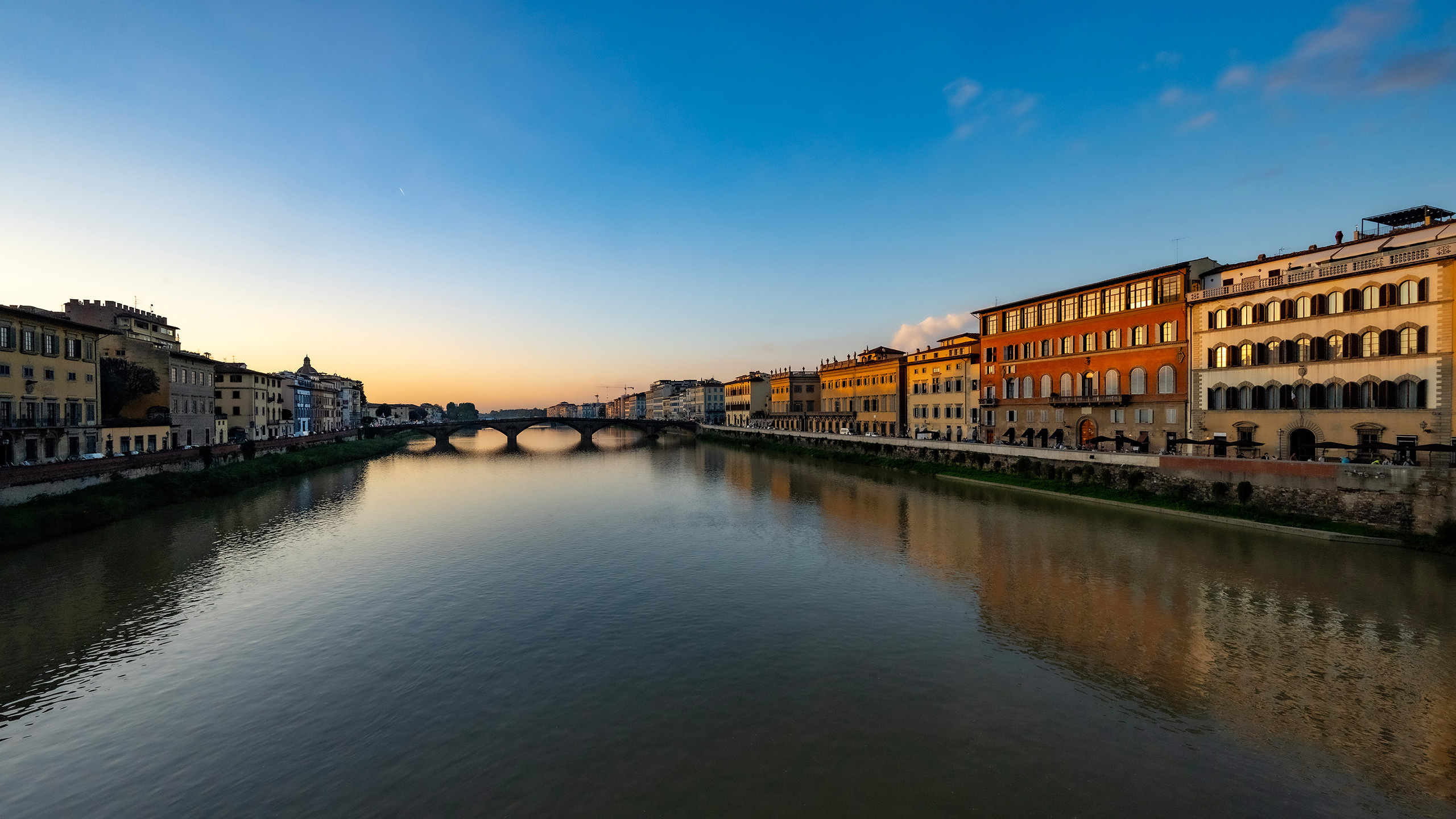
The easiest measure of massing simplicity is to count the number of building corners. Four corners makes a rectangular building if they're all right angles, and rectangular buildings have by definition the simplest massing. And no building is more adaptable to future uses than a rectangular building, especially when the interior space is as simply formed as the shell.

Circulation Simplicity
Architects have been enamored with movement since the Futurists of the 1930s conceived glamorous images of cities that were all about high-speed movement. This love affair was so persistent that a half-century later when I was in school, a professor's opening question in a jury was usually something like "tell me about your circulation." Unfortunately, celebrating circulation spaces where people might spend just seconds often gunks up the arrangement of spaces where people might spend hours, thereby putting the proverbial cart before the horse, to borrow a transport/circulation analogy.
Ceiling Height
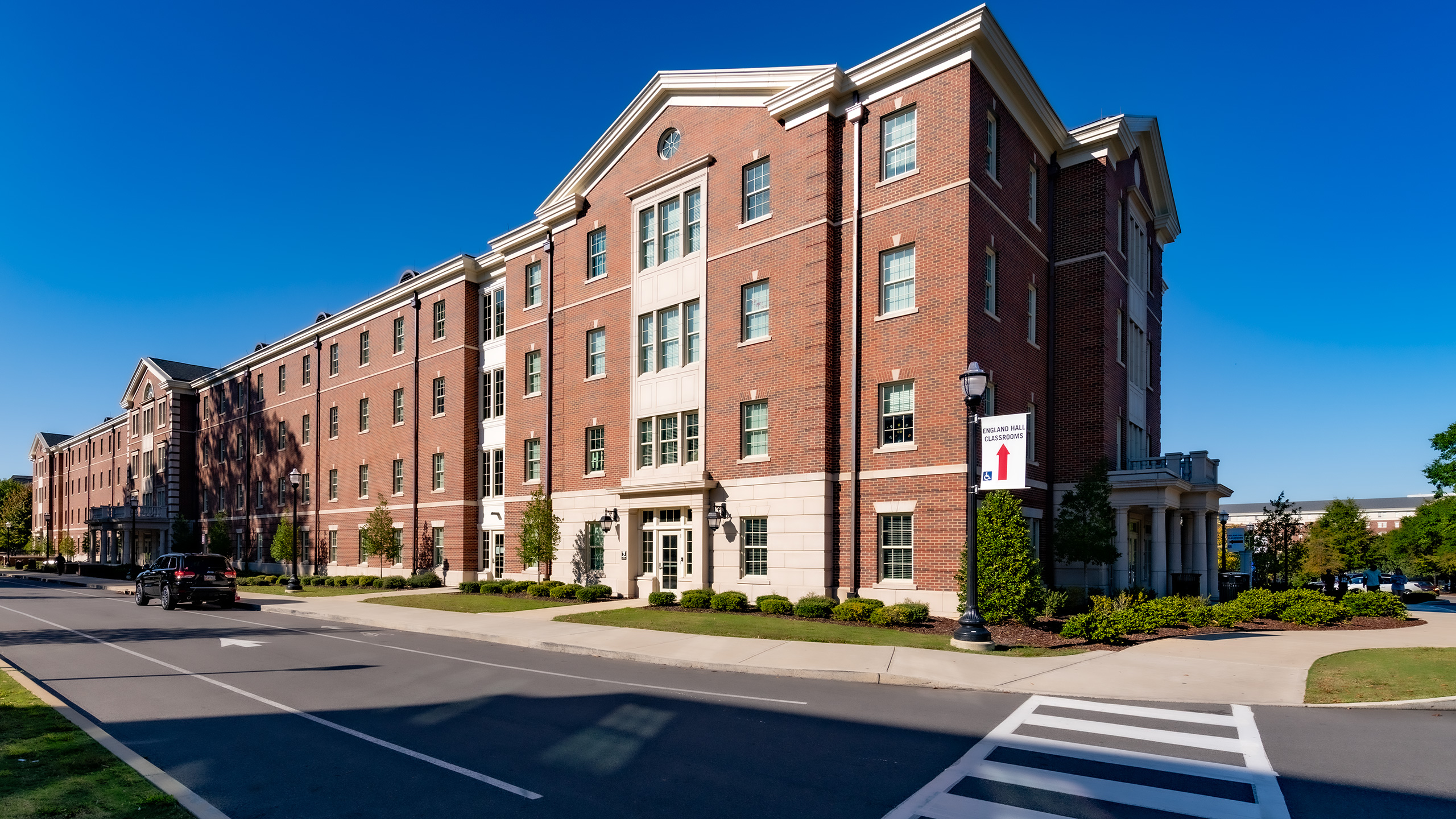
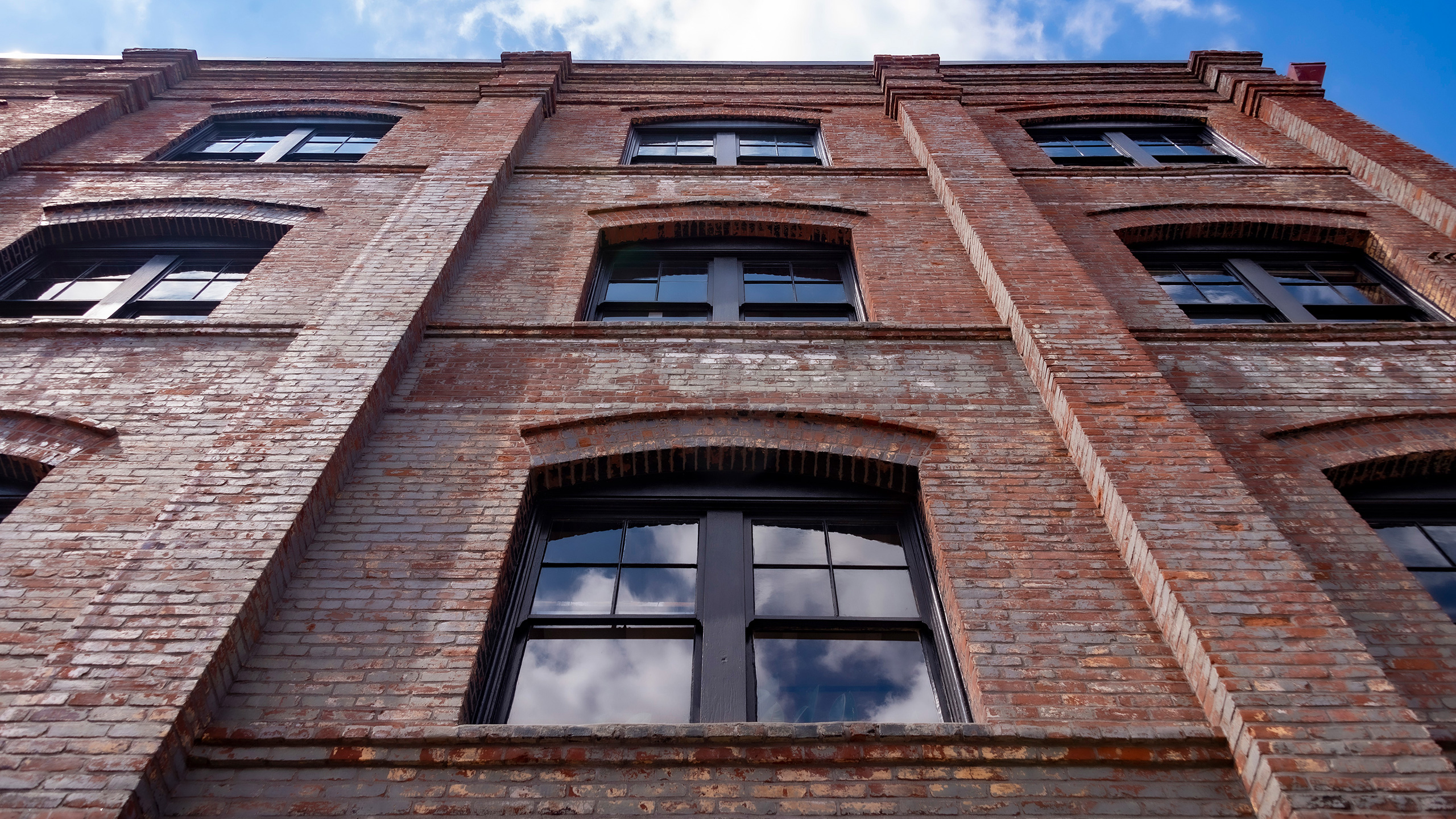
I have done design review for the University of Alabama since 2004, with over $6 billion worth of construction I've worked through the process that has been built. Over all those years, I've advocated for reskinning buildings instead of demolishing them, and for building new buildings designed to last centuries, not just decades. This building is one on which I failed for what sounds like a very superficial issue. This is a dormitory that replaced another dorm on the same site. The original dorm was designed just a few years into the Great Decline when architects were losing the wisdom of long-loved building traditions, but it hadn't yet gone full-on Brutalism; that came at the end of WWII. So the original dorm was competently-detailed with one exception: The Modernists had for awhile been advocating for more horizontality in building composition, so the otherwise-competent dorm had 8 foot ceilings. And the students who had grown up in the South in homes with 10 foot ceilings simply would not accept rooms with 8 foot ceilings. So no matter what arguments I put out, the administration's edict was to tear it down and replace it with a dorm with 10 foot ceilings the students would accept so it wouldn't remain a ghost building with no occupants. And to be fair, buildings in the South with taller ceilings are definitely easier to cool. So we took it down and built what you see here. All because of unwise ceiling heights. So be sure to use ceiling heights appropriate to the region.
Open Plan
A "soft loft" isn't a loft at all; it's a condo plan that conventional condo developers have modified a bit from their standard plans with exposed ductwork here and there and maybe a few oversized windows. A true loft is a completely different creature; it's an old industrial building with bank upon bank of windows and wide-open interior spaces where spaces are distinguished most often by elements more like furnishings than by walls. A true loft commands a premium in many markets, and is adaptable for many uses simply by moving the furnishing-like elements around or replacing them with elements better suited to the new use of the space. Study true lofts and their design tools and you'll learn a lot about interior building adaptability since they can become pretty much anything they need to be over time.

Adaptability Tools
The following are tools that, if implemented properly, can make a building far more adaptable to different uses in the future.
Proximity to Street
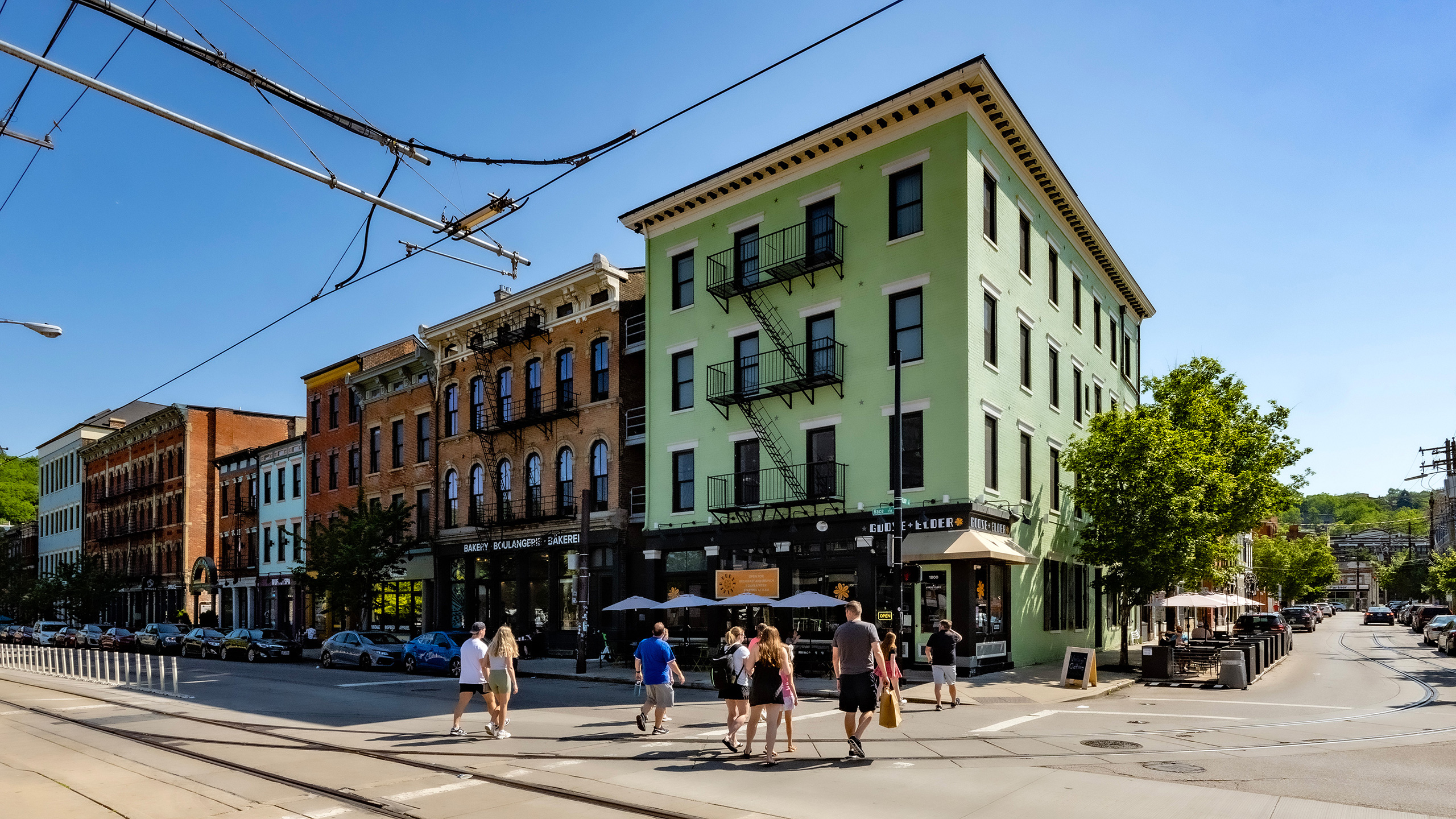
The top adaptibility tool for any building is its proximity to the street. The best way to illustrate this is with extreme examples. There are only a couple building types for which you need a ten-mile driveway: a very wealthy person's country mansion or a highly noxious use like an explosives factory banned by law from being anywhere near anything else. But the closer a building gets to the street, the more uses there are for which it can work. The most adaptable buildings by virtue of their location are those placed right on the sidewalk because that location allows them to be adapted to almost any non-noxious use.

Attachment to Shell
A building floor being adapted to a new use typically requires a new floor plan for that use, with walls in the new plan attaching to the shell of the building. The most adaptable building shells are those which allow walls and other interior elements to attach to the shell in more locations. The worst shells are built of glass curtainwall like this one built with thin frame elements that only allow walls and other elements to be attached at a few locations, and with great precision, depending on how thin the frame elements actually are. Curtainwalls have other downsides, including the fact that the most efficient glass available the last time I checked is not even as good an insulator as a wood stud wall with R-11 fiberglass batt insulation and the cheapest possible interior and exterior finishes. And because people furnish workspaces by moving furniture and equipment up against the exterior walls of the room, the outside view of such a building provides an unsightly view of the backsides of all your stuff. More solid walls, like in the Open Plan image above, provide far more adaptability of attachment to the building shell.
Shelf Walls
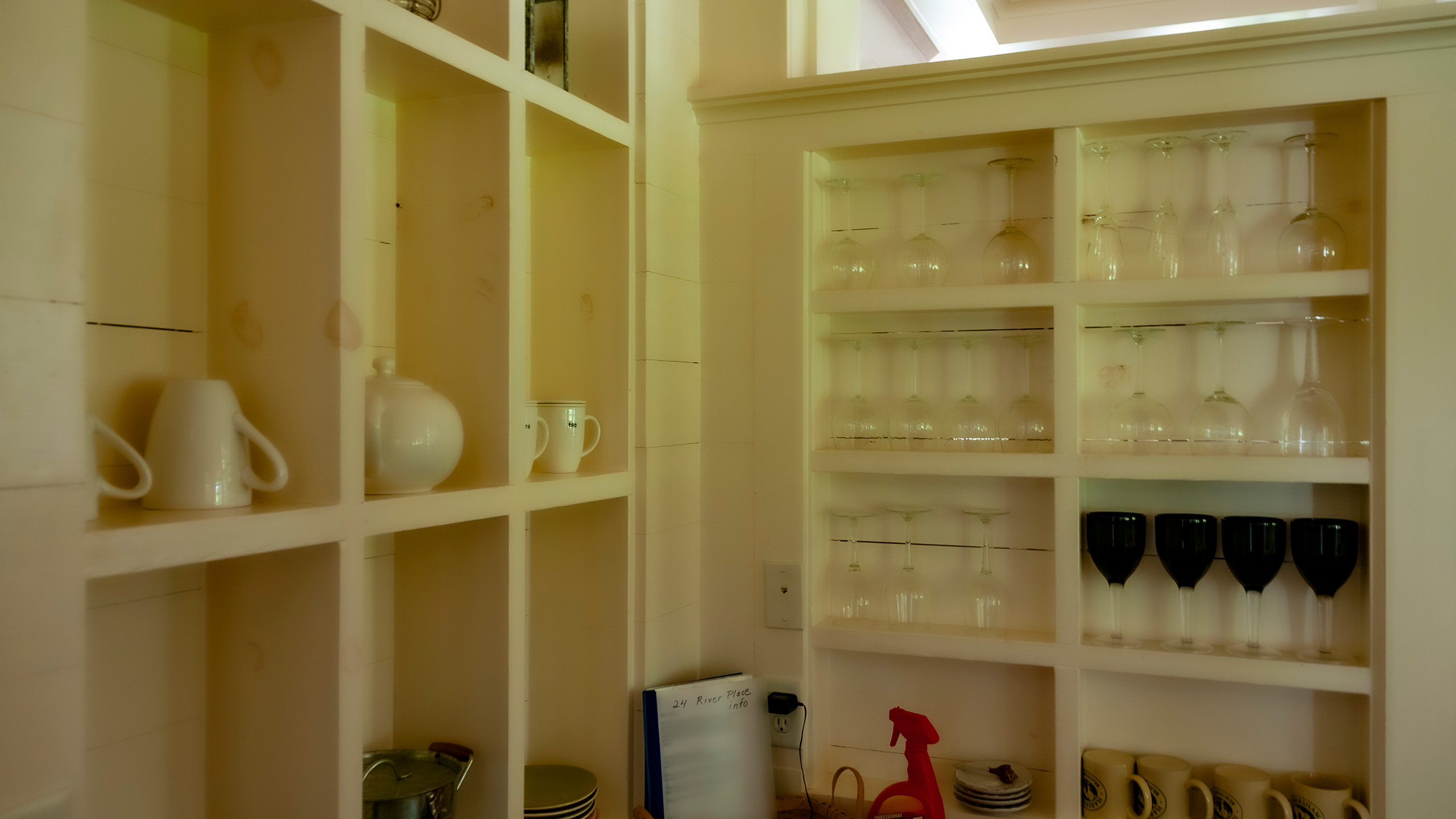
The more you can carve into interior walls to create shelf space like this, the more adaptable the space becomes. This space is currently a kitchen as the contents of the shelves clearly illustrate. But if it were to be a home workspace of another sort, those same shelves could serve the new use. This is a tool most adaptable to smaller, wood-frame buildings if walls are to become the shelving units.
Service Chases
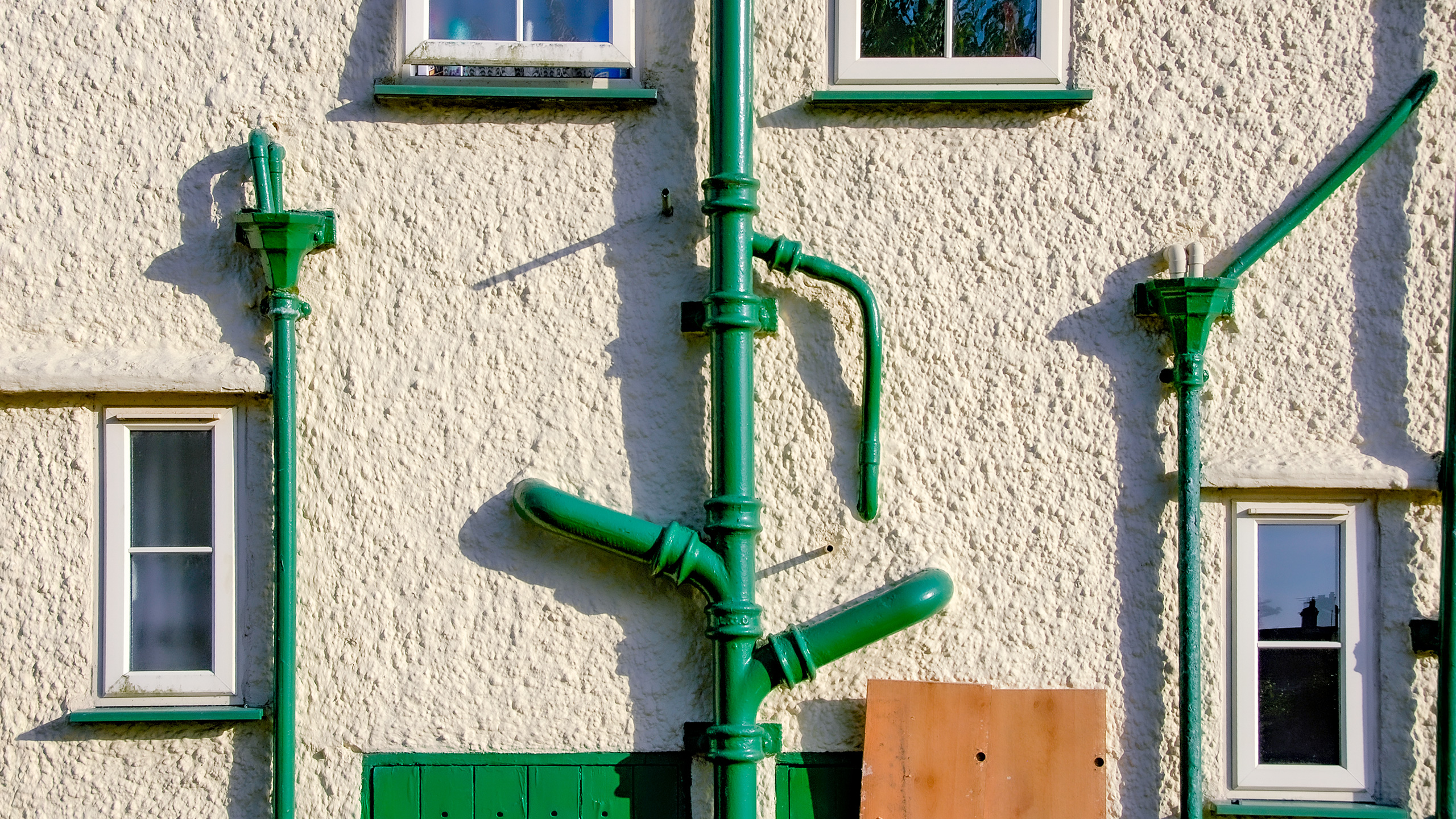
Our history of the past two centuries is one of ever-increasing wires, pipes, and ducts. in the early years of modern services like interior plumbing, pipes and other conveyances were routed in through exterior walls as shown in this image. Recent decades have seen increasing demand for moving all services beyond the service entry to the interior of the building. But because they are embedded in the interior elements like plumbing pipe encased in a concrete floor, adapting the space to future uses can require serious interior demolition to get to, modify, and re-embed the new services.
I set out several years ago with my Studio Sky partners Eric Moser and Julia Starr Sanford to develop a far more adaptable wall framing system that channels pipes and wires throughout the interiors of a building. Without breaking out an entire set of details, here's basically how it works: stud walls are framed conventionally, then horizontal chases are framed at the top, bottom, and middle of the walls at a height similar to a chair rail where a light switch, electrical outlet, or faucet might be located, while the bottom chase handles electrical and data outlets low on the wall near where they're conventionally located. The horizontal chases are connected with vertical chases at door and window jambs and room corners. We then board one side of each wall and install shelving in all the open cavities so the walls are both partitions, chases, and shelving units. And when you need to re-wire or re-plumb something, the chases are easily accessible because the chase casings are screw-attached and can be easily reattached once the adaptation work is done.
Tales & Tools
These ideas support the Adaptable Buildings foundation of the Original Green. The Tales are on Original Green Stories, while the Tools are in Original Green Resources. Several of these ideas support other ideals, foundations, and the Living Tradition Operating System because the Original Green is massively interlinked, so you'll see them listed wherever appropriate.
Search the Original Green Site
Buy the Original Green book on Amazon

Rather Buy Indie?
Contact Sundog Books at Seaside, which is our favorite bookstore ever!
Speaking
I speak on the Original Green across the US and abroad. Would you like for me to speak (via Zoom these days) at your next event?

Got an idea?
If you have an idea for a story, or know about work we need to feature...
Subscribe
... to receive periodic Original Green news releases. Here's our full Privacy Policy, where you'll see that we will not share your info with anyone else, nor will we sell it to anyone. All three fields required.
Home
Origins
Foundations
Nourishable Accessible Serviceable Securable Lovable Durable Adaptable Frugal Education Economy Culture Wellness
Resources
Original Green Scorecard Initiatives Presentations Reading List Quotes Links Tweetroll
Stories
OGTV
Media Room
Bios Press Speaking
© 2021 Mouzon Design, Inc.