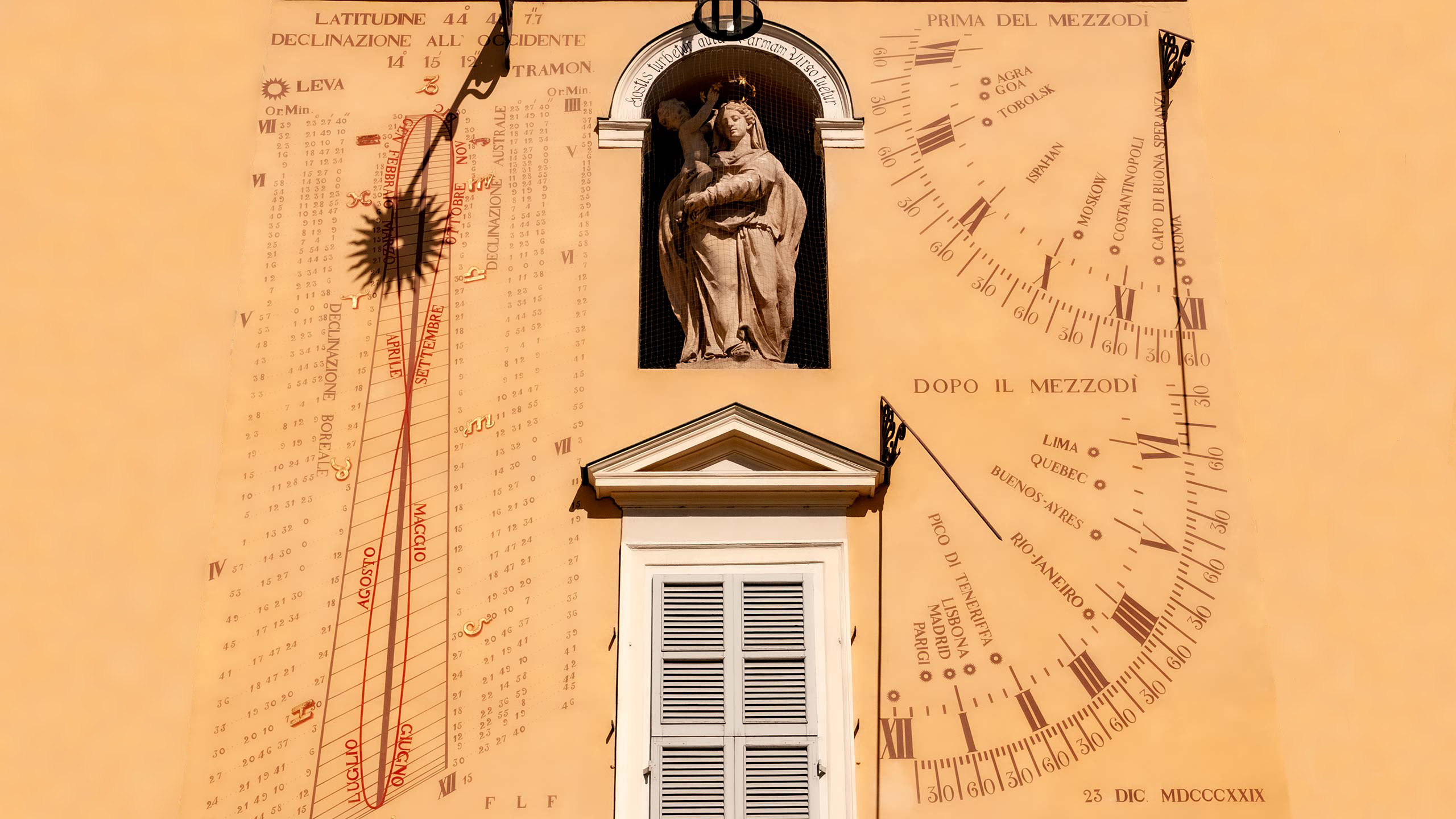
Living Traditions
A Living Tradition is the Operating System of the Original Green Platform in each locality (region or city) for which it is calibrated. It is essential to true sustainability and is the intelligence that bonds the heart and mind of the Original Green Platform together. The necessity of a well-functioning Living Tradition Operating System in each locality is so important that the very first initiative we established was the Living Traditions Initiative, which is the workshop where we refine the processes and develop the tools to help them operate more effectively. Please join us there with your ideas on how to move this initiative forward!

Living Tradition Essentials
A Living Tradition is owned by the people, not just by the specialists. This is the most essential thing, and this story is a better example of how this can work than any other I know.
While working on a design charrette organized by what is now the King's Foundation in Rose Town, a desperately poor neighborhood of Kingston, Jamaica, I did an architectural code based on how neighborhood people transmitted intelligence. Instead of writing things down on paper, they wrote them on the neighborhood walls. The final presentation took place in the neighborhood library, with a pattern painted on the wall just outside. While people were visiting afterward, a local architect grabbed me by the elbow and said "Steve, you must hear this!" "What?" "Just follow me." So we hurried out into the night, and I heard them: the voices of little children singing. They were taking the words of the pattern written on the wall that were never meant to have rhythm or rhyme, and were turning them into a song!
We as professionals cannot do that. The best we can do is set the stage for the people to claim the wisdom of the patterns, and to make it their own. See the full story in Tales & Tools below.
The Kernel
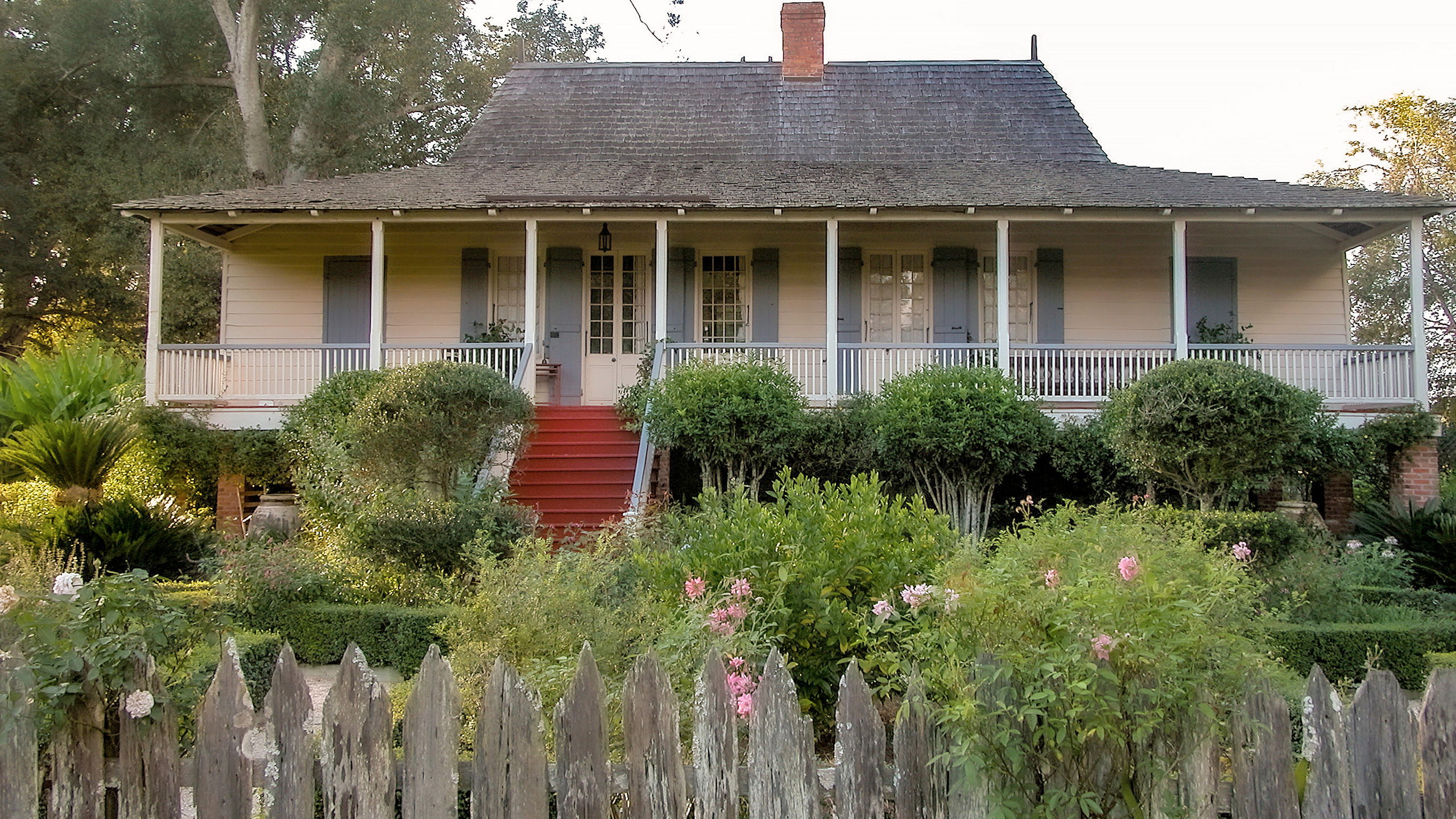
A Living Tradition's Kernel is four simple words: "We do this because..." If every pattern in a language of architecture is expressed first with "Do this...", followed by "We do this because..." it opens up the intelligence of each pattern to everyone to use for themselves and pass down to others. I had been searching for years for the means by which a tradition could take on a life of its own and be passed down to following generations as they obviously have been. Two decades after first adopting the mystery someone asked a question about the bell-cast eaves on buildings along the Gulf Coast and further inland, like on this building where the roof kicks out at a lower pitch toward the eave. The answer began "we do this because...", and I realized that after all those years, this was the Kernel. The road from mystery to the unlocking epiphany is long, but changed everything, and is found in Tales & Tools below.
Co-Existing Living Traditions
Computers running multiple operating systems most commonly do so using either a multi-boot system allowing you to choose which to run at startup, or a virtual machine, which runs inside your primary operating system. These options are workarounds for hardware limitations of computers designed primarily for a single operating system. The Living Tradition Operating System is far more adaptable because the hardware is the places and buildings in which it operates, and no Living Tradition is limited by a need for the latest hardware.
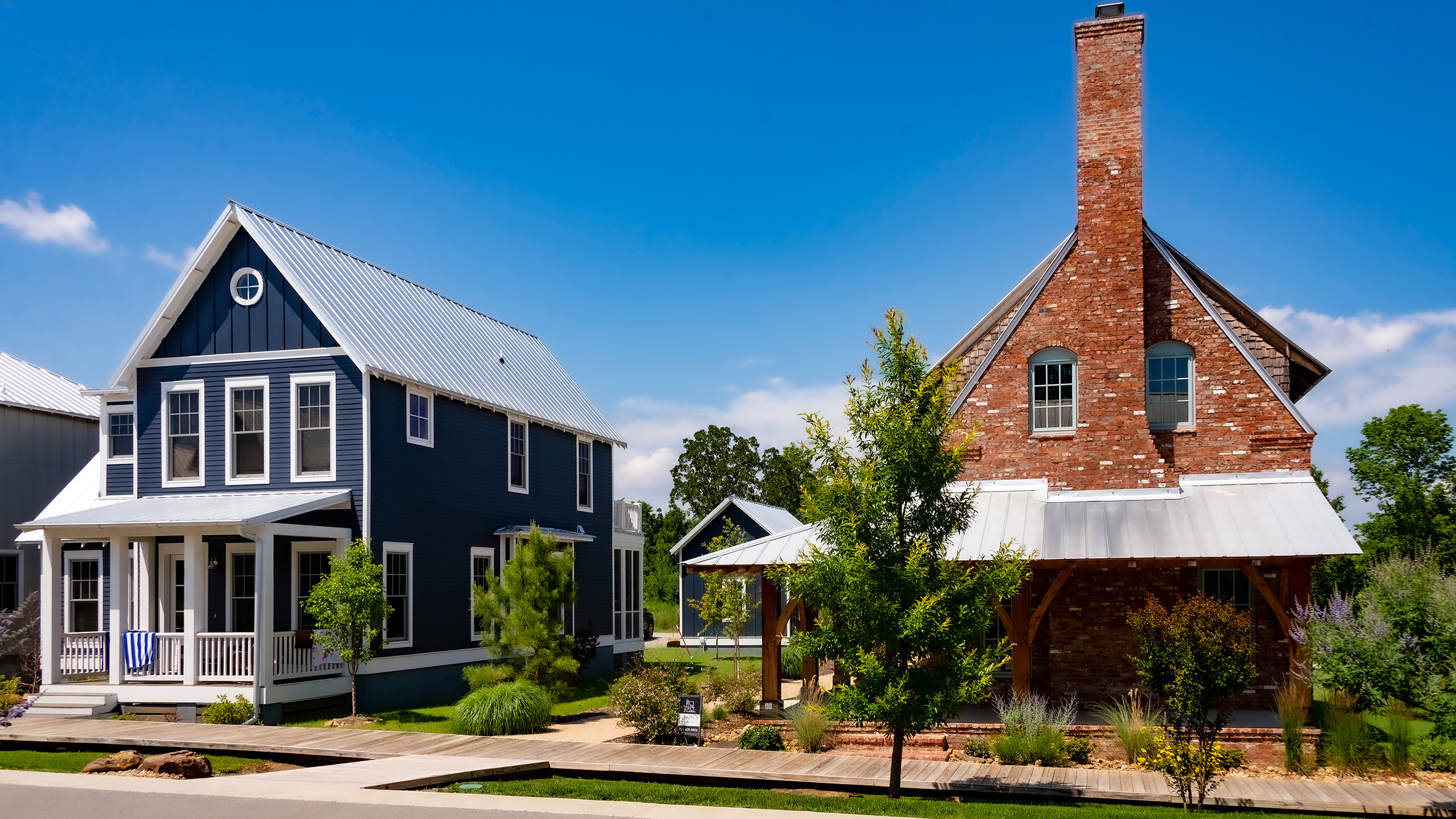
These two Carlton Landing houses emerged from two decidedly different Living Traditions, separated in time of origin by well over a century. The one on the left is a revival of the Territorial language commonly used in Oklahoma beginning in the late 19th Century but essentially left for dead for over a century. Carlton Landing revived the language because it responds well to regional conditions, climate, and culture in eastern Oklahoma. The one on the right is a new language developed in our time by Clay Chapman and colleagues. Clay's X username is @1000yearhouse.
Pattern-Based Languages
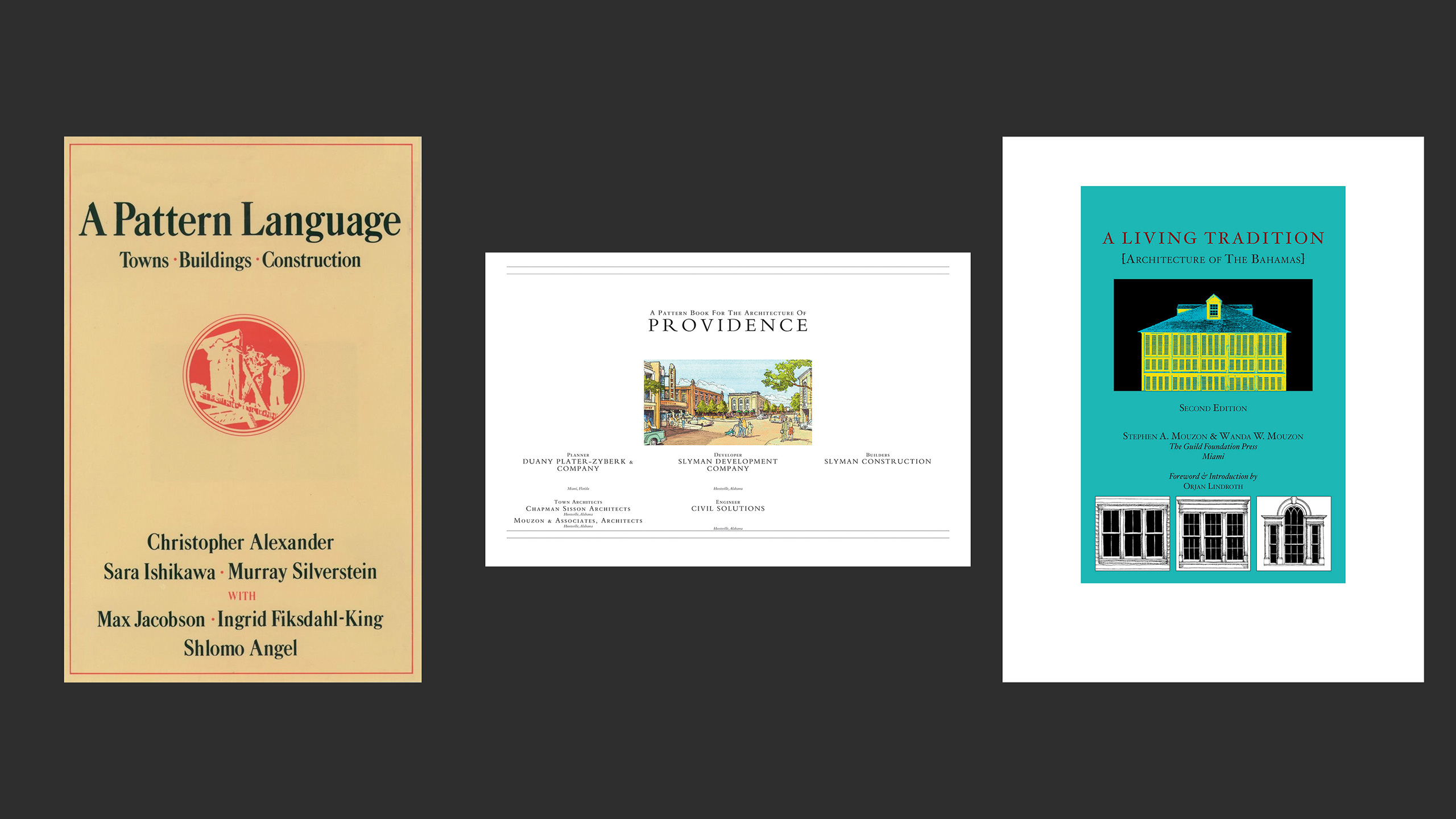
Living Traditions are language-based in two ways: the urbanism and architecture patterns make up pattern languages where patterns are analogous to words in a spoken language. And the pattern languages are communicated in spoken languages, so the only real limitation is the spoken language used to convey the patterns. But Christopher Alexander's pioneering A Pattern Language, which I regard as the ancient "mother tongue" of pattern languages, has been translated into quite a number of spoken languages, so this is an easily-overcome limitation.
The Providence pattern book above is based on historical styles and was the best I knew how to do just after the turn of the century. The primary problem with a style-based book is that if followed by designers and builders today and followed again by designers and builders a half-century from now, it would produce essentially the same places and buildings because the recipe, or the algorithm if you prefer, has not changed. Put another way, style-based pattern books have no power to let architecture live again.
A Living Tradition book, on the other hand, was made possible by the rediscovery of the Kernel of the Living Tradition Operating System as described above. The Kernel, by opening up the rationale of each pattern, allows all the users (planners, designers, builders, building owners, and all the arms of the jurisdictions in which the patterns are built) to think again, evolving the language to meet both the needs of the day and the timeless needs of humanity and the environments they inhabit. A Living Tradition has another superpower: by opening up the rationale for each pattern, it naturally calibrates itself to the specifics of each sub-region, analogous to a regional dialect developing in a spoken language.
Tradition and Innovation
A word of caution: much of the architecture community in the US, and to an extent abroad, seek to frame anything described as "traditional" as being locked in the past and unworthy of attention today. This is not so. As a matter of fact, Living Traditions by virtue of opening up the rationale of each patterns again, creates crowd-sourced innovation like it always has. There are two primary types of innovation: novelty-based innovation, and usefulness-based innovations (or principle-based, if you prefer, so long as the principles lead to usefulness, as most of them do). Architects tend to gravitate to novelty, whereas Living Traditions seek to creat usefulness. At their extremes, novelty-based innovation creates fads and usefulness-based innovation creates timelessness.
Tales & Tools
These ideas support the Living Traditions Operating System of the Original Green. The Tales are on Original Green Stories, while the Tools are in Original Green Resources. Several of these ideas support Original Green ideals and foundations, because the Original Green is massively interlinked, so you'll see them listed wherever appropriate.

The Birds-Eye Slum-View Problem tells the full story of what led up to the children in Rose Town claiming a pattern as their own by transforming it into a song.

The search for the Kernel of the Living Traditions Operating System began on the day after Thanksgiving, 1980. It began with The Mystery of Mooresville.
Search the Original Green Site
Buy the Original Green book on Amazon

Rather Buy Indie?
Contact Sundog Books at Seaside, which is our favorite bookstore ever!
Speaking
I speak on the Original Green across the US and abroad. Would you like for me to speak (via Zoom these days) at your next event?

Got an idea?
If you have an idea for a story, or know about work we need to feature...
Subscribe
... to receive periodic Original Green news releases. Here's our full Privacy Policy, where you'll see that we will not share your info with anyone else, nor will we sell it to anyone. All three fields required.
Home
Origins
Foundations
Nourishable Accessible Serviceable Securable Lovable Durable Adaptable Frugal Education Economy Culture Wellness
Resources
Original Green Scorecard Initiatives Presentations Reading List Quotes Links Tweetroll
Stories
OGTV
Media Room
Bios Press Speaking
© 2021 Mouzon Design, Inc.