I will never forget the billboards along US-331 South between Montgomery, Alabama and County Road 30-A on the Florida panhandle in the early years of Seaside proclaiming "Come Build a Town With Us." What an adrenaline rush! "Build a town?" Those words had never been used together in my entire lifetime up until then because town-building was something done by our ancestors generations ago. But there (on 331), and then (the late 80s) Town Founders Robert and Daryl Davis had the audacity to begin anew. Forty-Five years after Seaside's design by Andres Duany and Elizabeth Plater-Zyberk of DPZ, it is time to take the next great step, which is from town-building to city-building.
Yes, there have been city-building proposals in the US in recent years, most based in the western states where city-size parcels are more plentiful, and in every instance I dug in with great anticipation based on what the developers were saying… but it took very little digging to realize that the words and the images were a complete mismatch, especially at street view. Yes, the bird's-eye views seemed to illustrate a traditional street grid, but views from sidewalk level showed places that looked straight out of a Jetson's episode from the 60s. Until now.
California Forever stands tall above the rest. If you haven’t heard of it, California Forever is a proposal to build a new walkable city for up to 400,000 people in Solano County, an hour north of San Francisco/Silicon Valley, anchored with a manufacturing park and a shipyard. I've been digging deep ever since the first mention I saw on New Media, and it is now clear that California Forever's words and images are a strong match, unlike every other new city proposal I've seen published for sites in the US.
I asked City Founder Jan Sramek recently for permission to use his images of California Forever in this post, and he graciously sent enough material for a sizable book, but if I used only those graphics it would look like I just rewrote his captions. So what follows are mostly my images and words to tell the stories of the ideals, patterns, and processes that will be used to guide the building of California Forever because if what they're building inspires me so, you may want to know why. So here goes… organized in sequence with the Specific Plan if you want to compare notes.
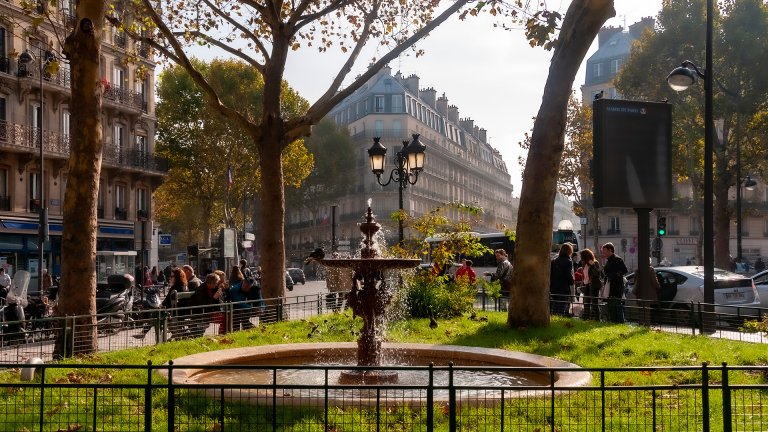
Quality of Life
The fundamental choice at the beginning of planning a new place is whether the highest measure should be standard of living or quality of life. Bigger or better. Buying more or loving more. Consuming or sustaining. Right from the start, California Forever has chosen quality of life as their highest measure, and it's clear that this first choice has influenced every other choice which follows. Well done!
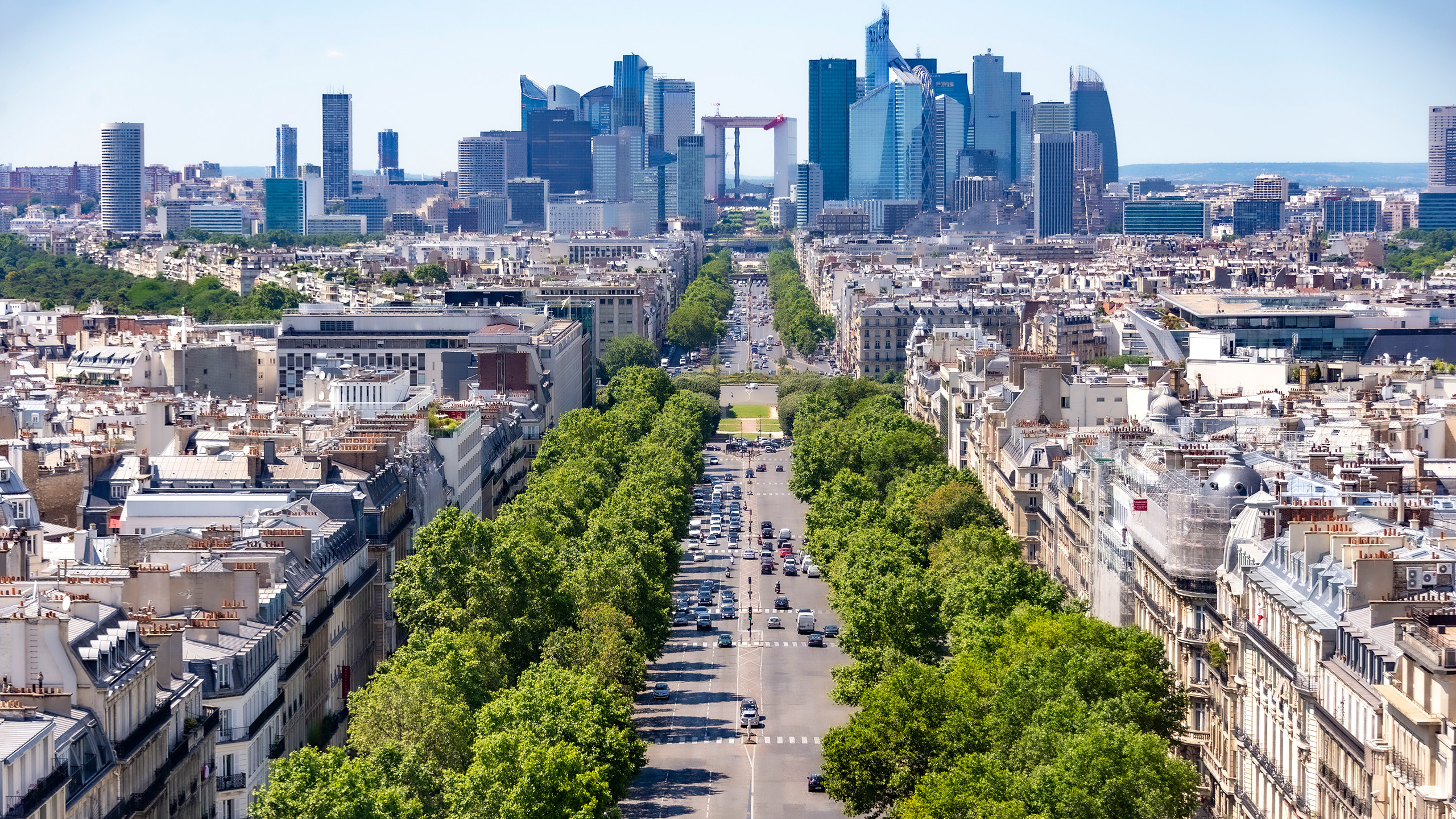
La Défense (background) produces a high standard of living, while classic Parisian streets in the foreground produce a stronger quality of life; the results of two markedly different standards of development.
Development Standards
The Industrial Development Complex measures its products by standard of living, and its three high ideals are building better, faster, and cheaper. It's important to note that you can never get all three in one project; with normal designers and builders, you'll get one of these ideals at best, and with the best designers and builders, you will at best get two. For example, if you set out to build better and faster with the best players you can find, the job will definitely be expensive, or if you set out to build faster and cheaper with a similar team, you'll get some grade of junk.
Developments built this way look as if they could be anywhere in the US, and also pretty much anywhere around the rest of the world built according to the standards of sprawl. And when producing large numbers of nearly-identical products, you need legions of very similar consumers to buy them, so products of the Industrial Development Complex are essentially one-size-fits-all.
California Forever has chosen a different path, and its standard is known as Placemaking, which produces a high quality of life. The three high ideals of Placemaking are patience, generosity, and connection. And while the three high ideals of the Industrial Development Complex are the virtues of its products, the three high ideals of Placemaking are embodied first in the people who design and build it, then by those who inhabit it. And in places guided by Placemaking, you can have all high ideals at once.
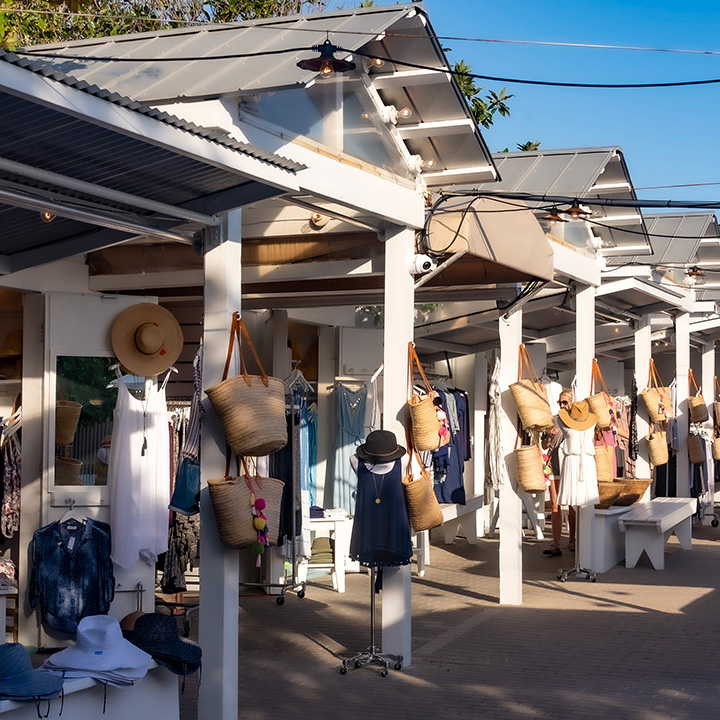
Patience is first because it's essential in building places that last. The gestation period of the most-loved places around the world is measured in decades, unlike the cheap junk which can be thrown up in months. And those who inhabit places made this way tend to develop patience themselves as they see the many incremental improvements growing around them over time.
One of the benefits of places developed patiently is that they have many stories to tell, because much like a child growing into an adult and then through later stages of life, a patiently-developed place will become many things over time, and the people who call it their own will have memories embedded in those places it has been as it matures. Seaside, Florida's Perspicacity market, shown here in its inaugural condition as a market court framed by shop shacks, has matured into an incubator space for new businesses, carrying on the mission of Town Founder Daryl Davis through hers and Robert's son Micah.
Generosity has been a high ideal of the New Urbanism since the beginning, embodied in the benevolence of Leon Krier in helping guide the early days of Seaside through its nascent planners DPZ, who had just launched their own firm. Generous urbanism can be made up of big moves like parks, greens, squares, and other civic spaces woven into the urban fabric, but it's not entirely altruistic because views into nature and other civic spaces has long been proven to boost the value of surrounding real estate substantially more than the value of land given to those spaces.
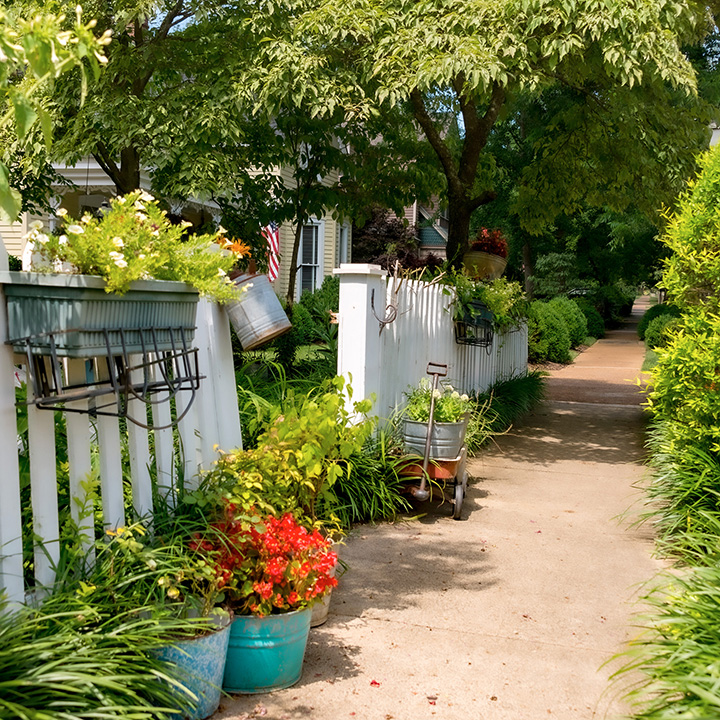
Generosity can occur at much smaller scales as well. Inhabitants of generous urbanism tend to pick up on this ideal once they understand why we make places the way we do, and join in by doing things like giving Gifts to the Street. The gift in this image was likely given as a result of just a weekend project which might have cost little more than $100. And when residents of a street are inspired by one such gift to give others themselves, the street becomes a delightful place to walk with benefits ranging from crime reduction to increased property values.
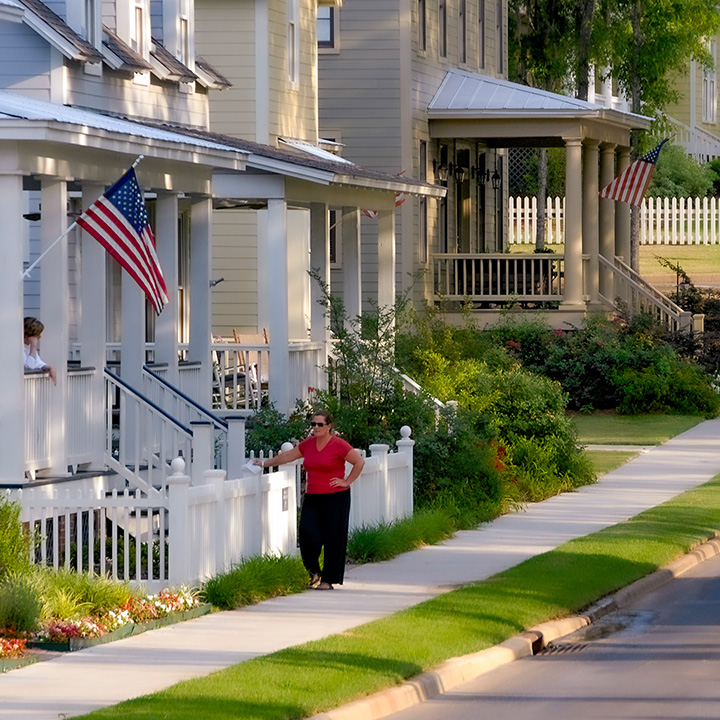
Connection is the prime building-block of community. Developments that set the stage for people to get acquainted with each other are neighborhoods; much good comes to places where neighbors are helping neighbors. And that good isn't a new thing; stories of the benefits of neighborly places have been told around the world since time immemorial.
This image of two women visiting from either side of a fence is a great example. I happened across this scene and took the picture, got a few more shots in the area until they finished visiting and then walked over to the woman on the porch and asked "I think I got a good picture of you two; do you mind if I use it?" "Of course not; feel free to." "I'm curious about one thing; is the other woman a friend of yours?" "No, I was just meeting her right then." Prior to that, porch and fence design was considered an art form by New Urbanists, or historical pastiche by Modernist architects. In truth, it is neither; it's all about setting the stage with basic geometry where people find it natural to speak to each other. And those chance conversations can lead to relationships which, as far-fetched as it might sound, can lead to people acting like neighbors again. And places designed with these geometries in mind result in people knowing neighbors for blocks around instead of just their next-door neighbors and one or two across the street as usually happens in conventional developments.
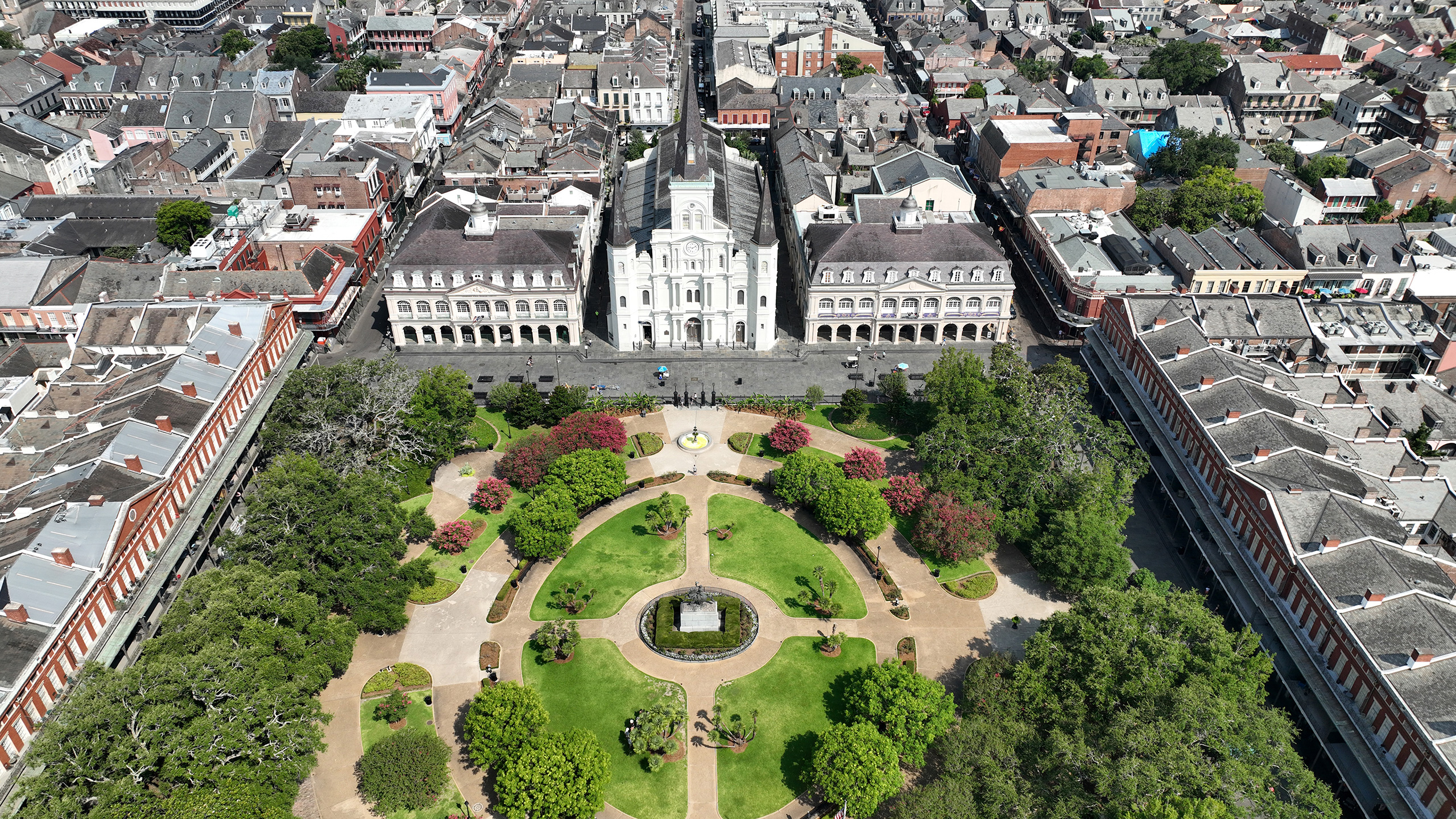
New Orleans' Jackson Square, one of the best civic spaces in the US, surrounded by a great variety of places to live, work, and go about the necessities of life
Placemaking Particulars
California Forever’s Founder Jan Sramek, Head of Planning Gabriel Metcalf, and other leaders are obviously strong students of placemaking, delving deeply into great places both old and new for principles that will guide this city expansion they are setting out to build. The following are placemaking essentials they have identified in the Suisun Expansion Specific Plan. What is Suisun City? It is the city to which California Forever will be a robust urban expansion. While conventional developments tend to go it alone, New Urbanist places have a long history of urban expansions going all the way back to Seaside, Florida which joined directly to Seagrove to the east and adopted much of the ethos of Grayton Beach, just a short distance to the west. Later, Watercolor was built as an urban expansion of Seaside to the west, or "Seaside's first suburb" as it's often called. In the UK, King Charles' town of Poundbury, designed by Leon Krier who guided Seaside in its infancy, is an urban expansion of Dorchester. More recently, quite a number of New Urbanists places have followed the same model. South Main in Colorado, for example, is an extension of Buena Vista's Main Street to the South. California Forever is becoming part of this long legacy of helping expand existing cities into greater places. And in doing so, California Forever is poised to redefine California development practices in several beneficial ways.
Integrated Places For Play
The Specific Plan includes Integrated Places for Play as its first goal, followed by Local Shops & Services, Community Spaces For Art Shows & Events, plus all the other headlined items below. The text below the headlines are my thoughts on these California Forever priorities.
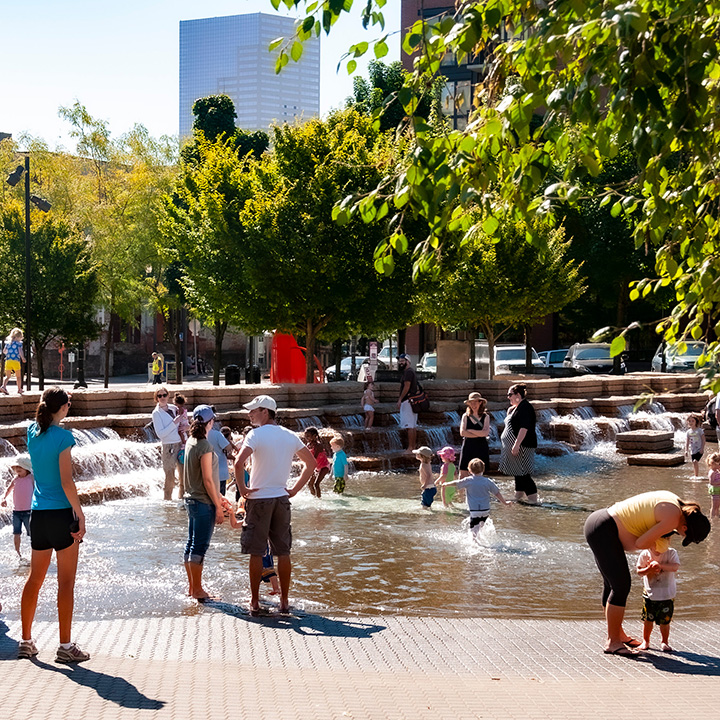
Christopher Alexander made Children In the City an essential pattern of urbanism in A Pattern Language, but play, like so many other essentials of life today, has in recent decades been constrained to recreation centers and the like out on the highways of auto-dominated municipalities. But California Forever is changing that with a great variety of places to play embedded throughout the urbanism as essential uses like this splash fountain being enjoyed by parents and children in Portland's Pearl District.
It's important to note that while it is good urbanism practice to put most everyday essentials within a 5-minute walk of home or work, play places should occur within a 2-minute walk so children can get there more easily. And the range of play places is broad, from this splash fountain to playgrounds, squares, greens, and parks. Because they're more distributed in a more fine-grained way than other uses, several of them can be quite small, such as pocket parks.
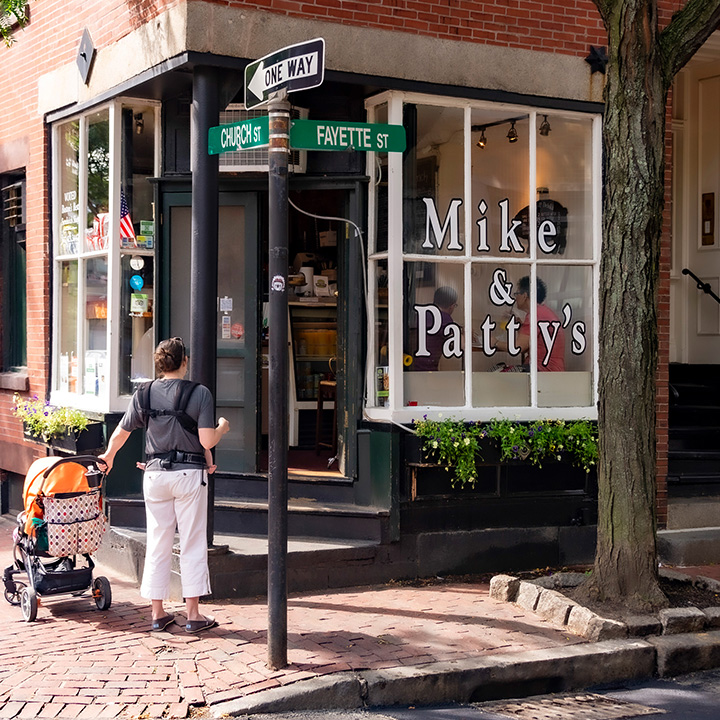
Local Shops & Services
Mike & Patty's tells several important stories about local shops & services in sustainable urbanism, the first of which is scale. If local shops and services are to be within walking distance, they need to be neighborhood-scale, not industrial-scale, and finely-distributed within the urbanism. Places that thrive on foot and bike traffic don't need much if any parking, so the city can dispense with off-street parking requirements which drive urban obesity; both obesity of the city that is blown up by parking lots and also obesity of all of us forced to drive to daily essentials instead of walking or biking there.
Mike & Patty's is a Single-Crew Workplace; Mike serves while Patty cooks. Urbanism with plenty of places small enough for single-crew businesses to start are capable of fostering lots of grassroots entrepreneurs which are essential to places looking to sustain their local economies by making them more resistant to corporate closures. And local shops and services have an added benefit of making more interesting places to walk because you're not running across the same old corporate establishments; you're discovering new things not found out on the strip.
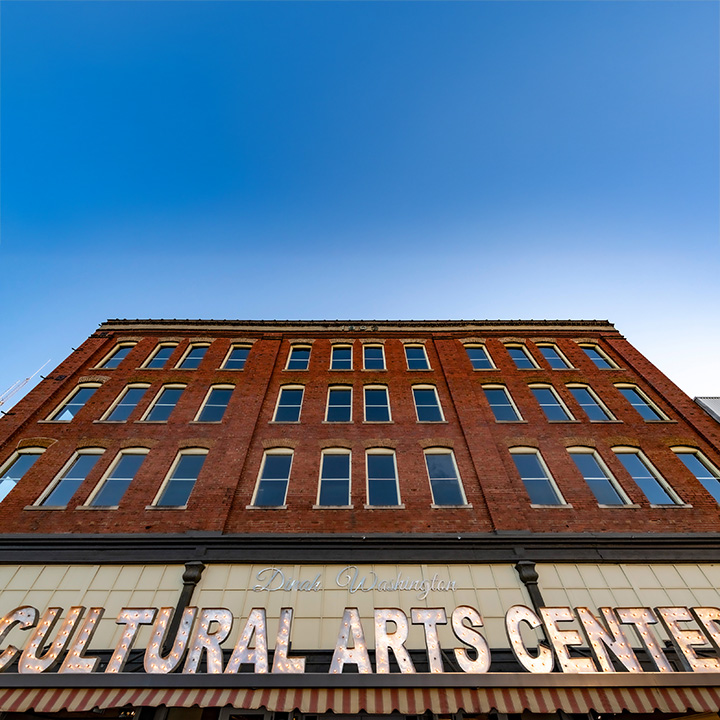
Community Spaces For Art Shows & Events
The Dinah Washington Cultural Arts Center pictured here is just a few blocks from my studio, but is a good model for buildings anywhere meant for hosting art shows and other cultural events not requiring fixed seating. The upper levels aren't yet occupied but the street level is perfect: a few large spaces accessible to anyone on foot or on a personal mobility device. It's also in the Downtown Arts & Entertainment District, with the graphic focus on the arts, so it's not just a drinking district; it's first of all an arts district with events like the First Friday Art Walk with art spaces distributed across close to a one-mile radius. With its substantial footprint, California Forever should be able to have several arts epicenters across the city.
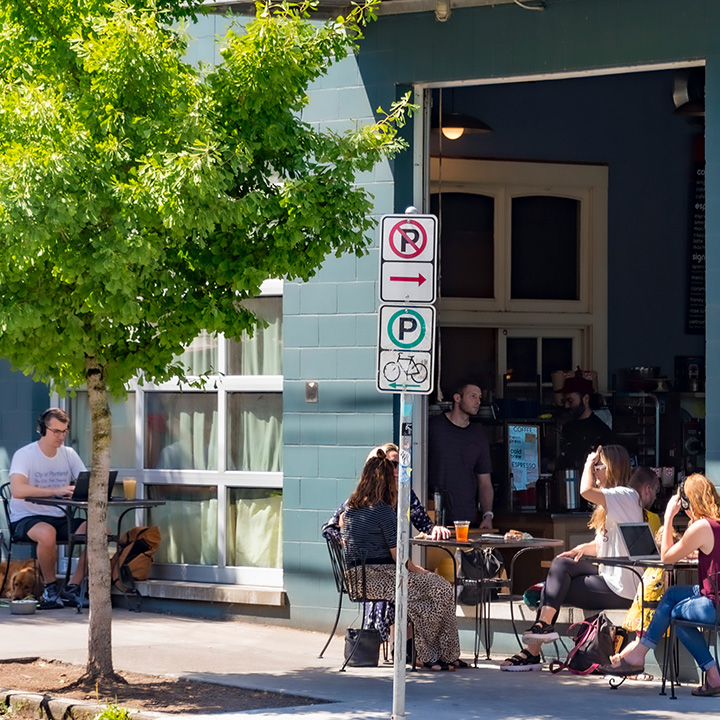
Convenient Cafes For Morning Coffee
I've heard Andres Duany, one of the founders of the Congress for the New Urbanism, say many times over the years that "any development without a coffee shop is not serious about urbanism." Why not? Because coffee shops and other Third Places where (from the Cheers tagline) "everybody knows your name" are great places for making connections.
These aren't just places to top off your caffeine level in the morning, but more importantly they are places where you might have an unplanned conversation with someone you haven't yet met. The cafe might be the setting for the first step in the process of you two moving from being strangers to neighbors, a process not limited to porches and fences as described earlier.
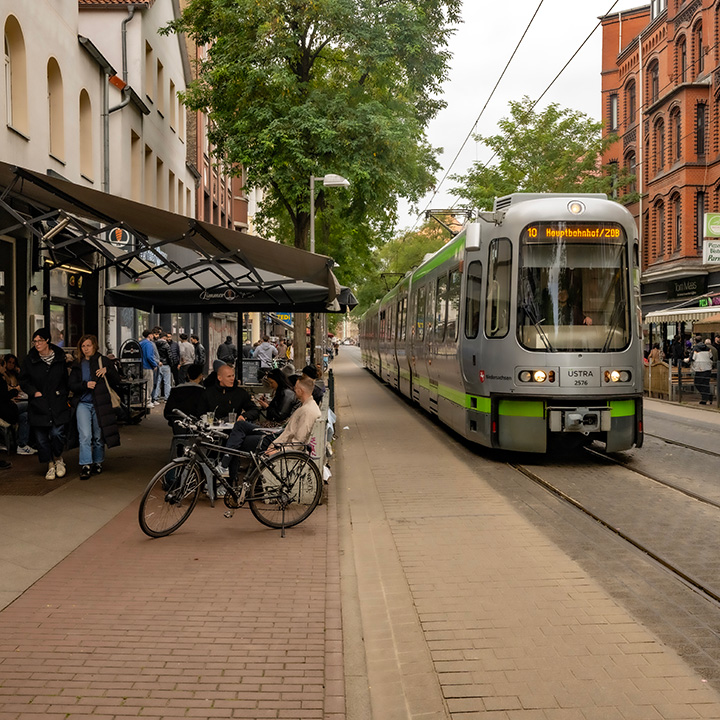
Affordable & Efficient Commutes
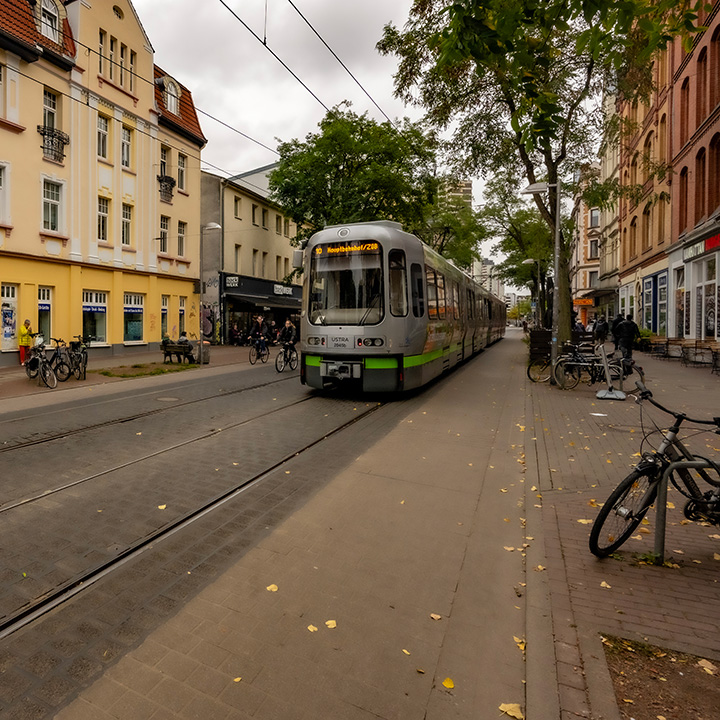
Germany's trams and trains were eye-openers to me on a recent trip. The regional trains were clean, efficient, and on-time as I expected, but the local trams were mind-blowing, working in settings and with headways considered impossible in most of the US. The trams may well make sense to put in the center medians one day.
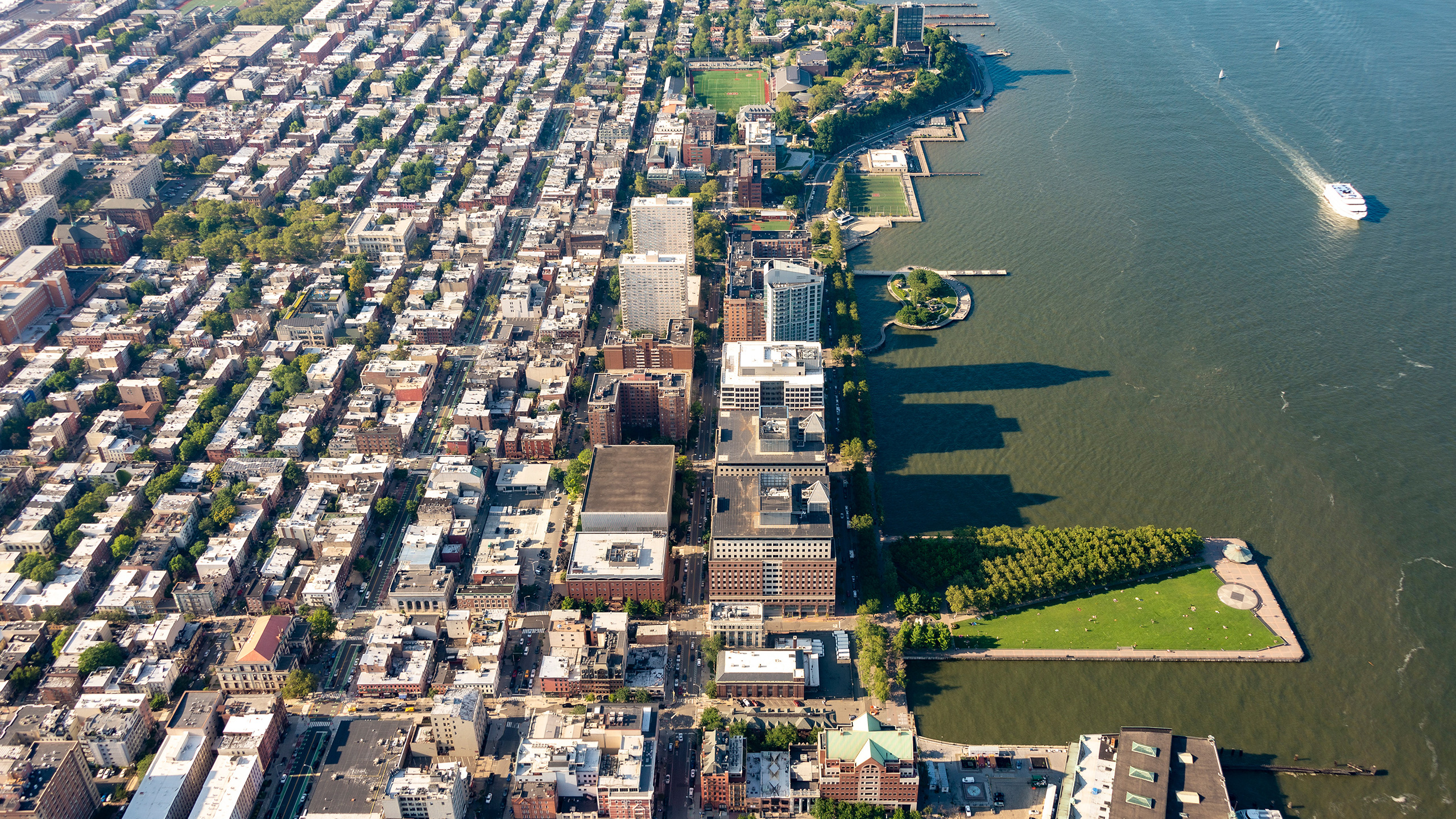
Plan Vision
"Vision" is a term often used in planning to indicate things that have never been seen before. California Forever's Plan Vision is a rare type of the highest order because it is composed of principles and practices firmly proven to work that are paired with complementary principles and practices in ways that amplify the resulting virtuous cycles. Every objective in the Plan Vision is so robust that each objective could become the subject of a book so we'll look at each in more detail than in the official document itself in order to more clearly see the full vision.
If you want to compare notes between my thoughts in this post and the Specific Plan, the Plan Vision begins on page iv of the Specific Plan.
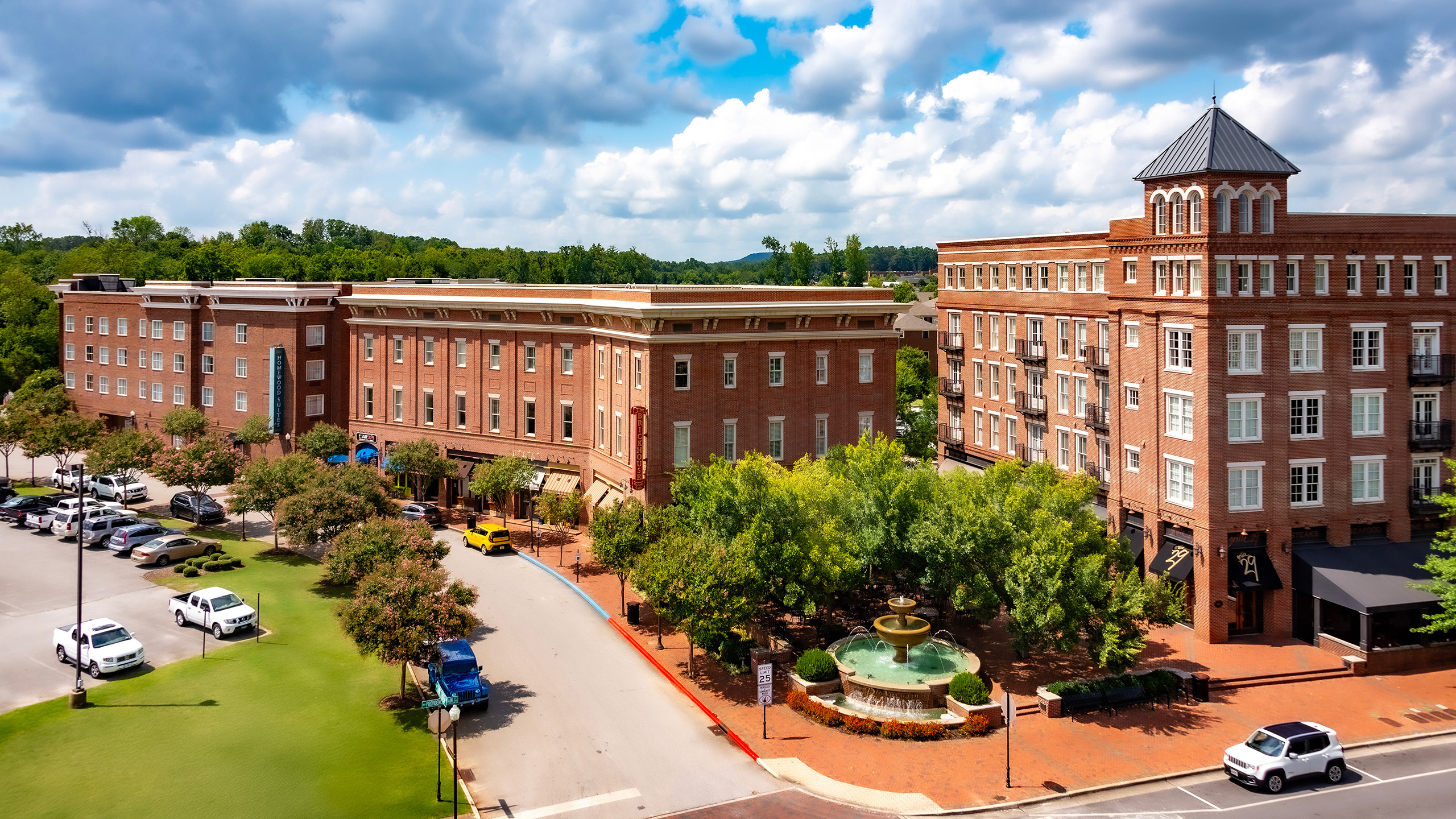
The first three Providence town center buildings
Major Regional Jobs Center
Nobody alive in the US today has built a city of the scale of California Forever, but I've been part of a place with many parallels; it's called the Village of Providence and is located in Huntsville, Alabama; it was designed by DPZ, the New Urbanist firm which designed Seaside, Florida, the first New Urbanist place. It was named the "Village" of Providence during the design charrette, but the Town Founders did such a great job from the beginning that while DPZ designed the Providence town center to match the scale of Huntsville's 2-3 story historic town center, the town center Providence built at the beginning was 3-5 stories with today's center now reaching 7 stories.
In just a few years, Providence became a major regional employment center, something considered impossible for New Urbanist projects of that day. And Providence got the last word, with Huntsville's historic town center redeveloping itself in the image and scale of Providence and major new developments in the region promoting their projects as "built like Providence." I've had the honor as serving as the Providence Town Architect almost since the beginning, and those parallels with California Forever should hopefully provide useful ideas from this point forward.
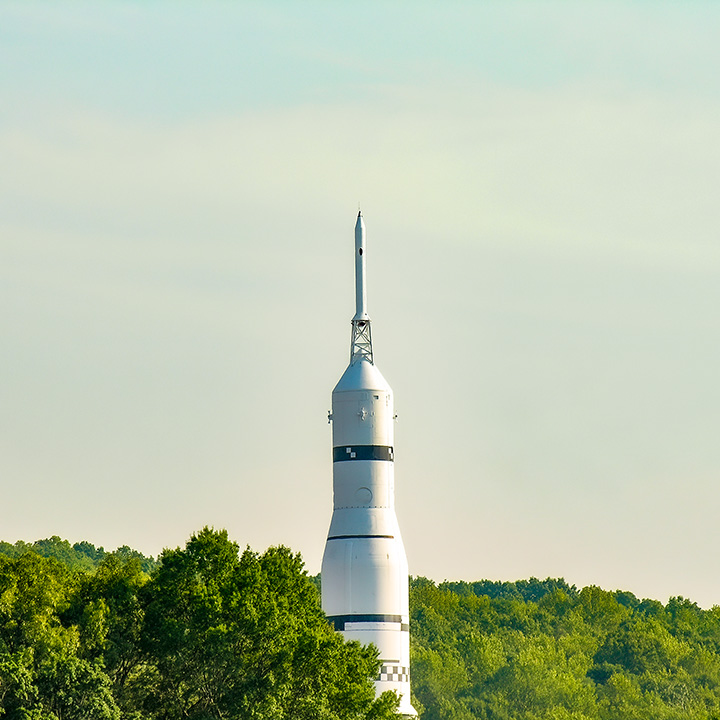
Redstone Arsenal
Similar to California Forever's location adjacent to Travis Air Force Base and near the Silicon Valley, Providence is located just north of Redstone Arsenal, home of the US Army Missile Command and the Marshall Space Flight Center, with the US Space Force scheduled to move there soon. The US Space & Rocket Center, the premier aeronautics & space exploration museum in the country, is located just outside the northern border of the Arsenal and shares its site with the US Space Camp. Huntsville has been known as Rocket City USA since my earliest memories in the early 1960s, but has branched out into other tech realms in recent years, especially biotech. These institutions and their associated establishments drive major business travel, and Providence does careful experience curation and has long been the top business travel destination in the region with three major hotels that have each been the top-occupancy location of each of their flags in the region, with a fourth completed recently which appears to be on the same trajectory. A wide range of hospitality and cultural experiences enrich the travelers' loyalty to Providence. It is likely California Forever, due to its expected high appeal to visitors, will expand its employment base deep into the hospitality industries, with hospitality hotbeds such as Napa, the California coast, and Tahoe in regional proximity.
Black Hawk Down and Building A Bridge
Mike Durant, a Black Hawk helicopter pilot, the story of whom was told in the movie Black Hawk Down, came to Huntsville after getting out of the military. Like other tech entrepreneurs, he established his consultancy at Providence, not only because of its travel-friendly setting but because Providence had since its early years sought to build a bridge between startups and their future expansion into substantial businesses. Mike started as a one-man operation in a Providence incubator, then moved down the hall when hiring his first staff, then took over the entire floor before adding another floor, eventually building an entire building on the north side of the town square. Providence remains firmly committed to that bridge between entrepreneurial startups and their steps along the way to growth, believing that it's far better to "grow your own" than to recruit corporate outposts which can just as easily pull up stakes and leave as when they came. Everything I've learned about California Forever so far indicates that they're committed to bridge-building like this.
Business Curation
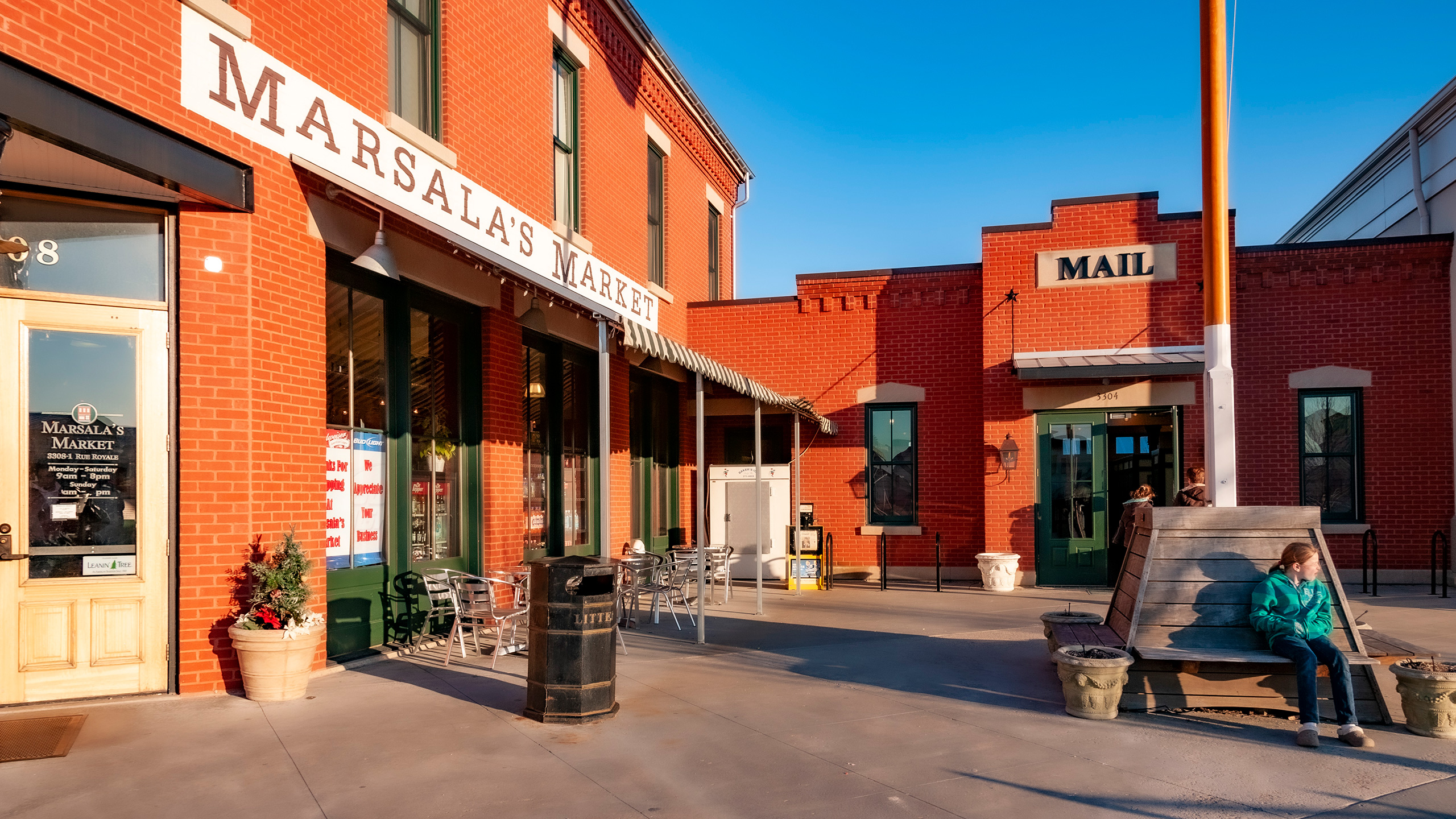
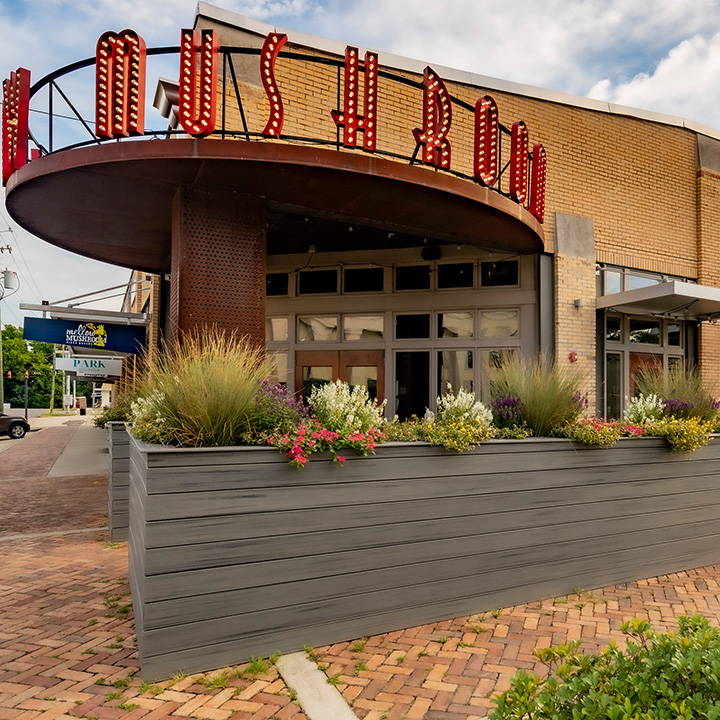
New Urbanist town centers are sometimes tarred by their detractors as little more than a few boutiques but with no businesses meeting daily needs. Providence set out from the very beginning to break that perception by building and populating its robust town center with best-in-class daily, weekly, and monthly needs. They accomplish this (present tense, as the work is ongoing) by scouting the region for the best local operations and regional chains. One key to the chains is that they must brand their experience, but not their appearance. This image is the Mellow Mushroom pizza establishment just a short walk from here; it's in an old industrial building and looks nothing whatsoever like the Mellow Mushroom location in Providence, but the dining experience is consistent across locations while the difference in appearances is a visual treat. And the dedication to providing those daily, weekly, and monthly needs fills an important slice of the Providence jobs pie. As with the bridge-building just noted, everything I've learned about California Forever shows clearly that they are committed to meeting the needs of people living in a robust city.
WFH-Friendly
Work-From-Home is an employment realm where California Forever should absolutely crush it, and for several reasons. First of all, working from home should be considered a basic human right, as our ancestors have done so successfully since time immemorial and it was only during the Industrial Revolution that the "dark Satanic mills" became so toxic that planners decided to separate home from work, and that separation has been embedded in zoning codes ever since. But nobody working from home today has a toxic industrial-scale operation, so the entire rationale for use-based zoning no longer exists in the work-from-home realm outside of criminal operations, which of course should be shut down wherever they occur. New Urbanists have been building a use-based zoning alternative for decades known as Form-Based Coding (FBC) where if buildings simply behave as good neighbors, you can do anything legal within them. Small towns with insight in 2020 could have remade themselves as WFH-friendly places for people fleeing cities but desiring an urban flavor, and a few of them did. Alys Beach, a DPZ town near Seaside, has grown more in the past 5 years than in the first couple decades of its existence by being such a place when the pandemic came. And places guided by the good-neighbor coding of FBCs have built-in resilience against such times in the future.
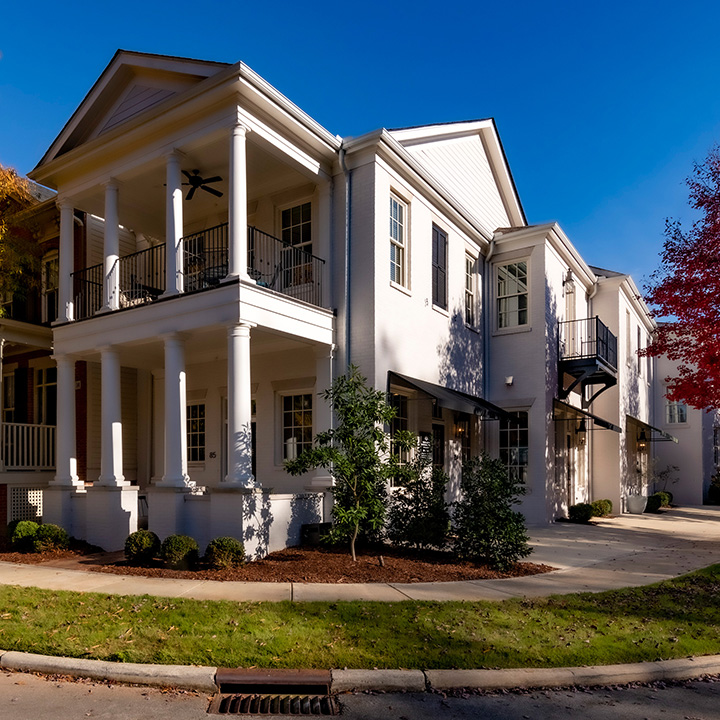
What do such places look like? Consider this Providence house. The front looks completely normal, but if you look closely there are three storefronts opening to the side street on the right. None of the businesses are even remotely close to industrial scale, nor are any activities going on there the slightest bit toxic; it's just office work.
One storefront is for the homeowner's business and the other two are for tenants whose rent helps pay the owner's mortgage. Who wouldn't want a commute measured in footsteps instead of miles? And maybe a tenant or two to help pay the mortgage? In a place where you can walk or bike to all your daily needs instead of being stuck in an office park out on the highway?
A Plan That Protects & Strengthens Travis Air Force Base
Before digging deeper, here is the Travis Air Force Base response to the Travis airspace needs being considered in California Forever's proposed land uses near Travis Air Force Base.
In today's NIMBY (Not In My Back Yard)-heavy climate across much of the US, few things support a major operation like Travis better than built-in advocates. Years ago I and a colleague were hired to design a town center at a place in Alabama where I serve as Town Architect. The original planner had done an earlier town center plan but in what can only be described as a "torches-and-pitchforks scene" in the City Council chambers it was defeated unanimously as a result of the legion of screaming NIMBY opponents. And to be fair, our plan wasn't that much different from the original planner's plan, but we had a secret weapon: by the time we presented our plan, there were a number of people living in the neighborhood whereas it was all raw dirt when the original plan was presented a couple years earlier. The new neighbors came early and sat on the front row. When the screaming began from people standing in the back of the room, the neighbors in front stood up, turned around, and asked "excuse me, where are you from?" The screamers were mostly from halfway across town, to which the neighbors responded "well, we live right across the street, and we want this town center; you have no standing to tell us what we can or cannot have right across the street from us." The project was approved unanimously.
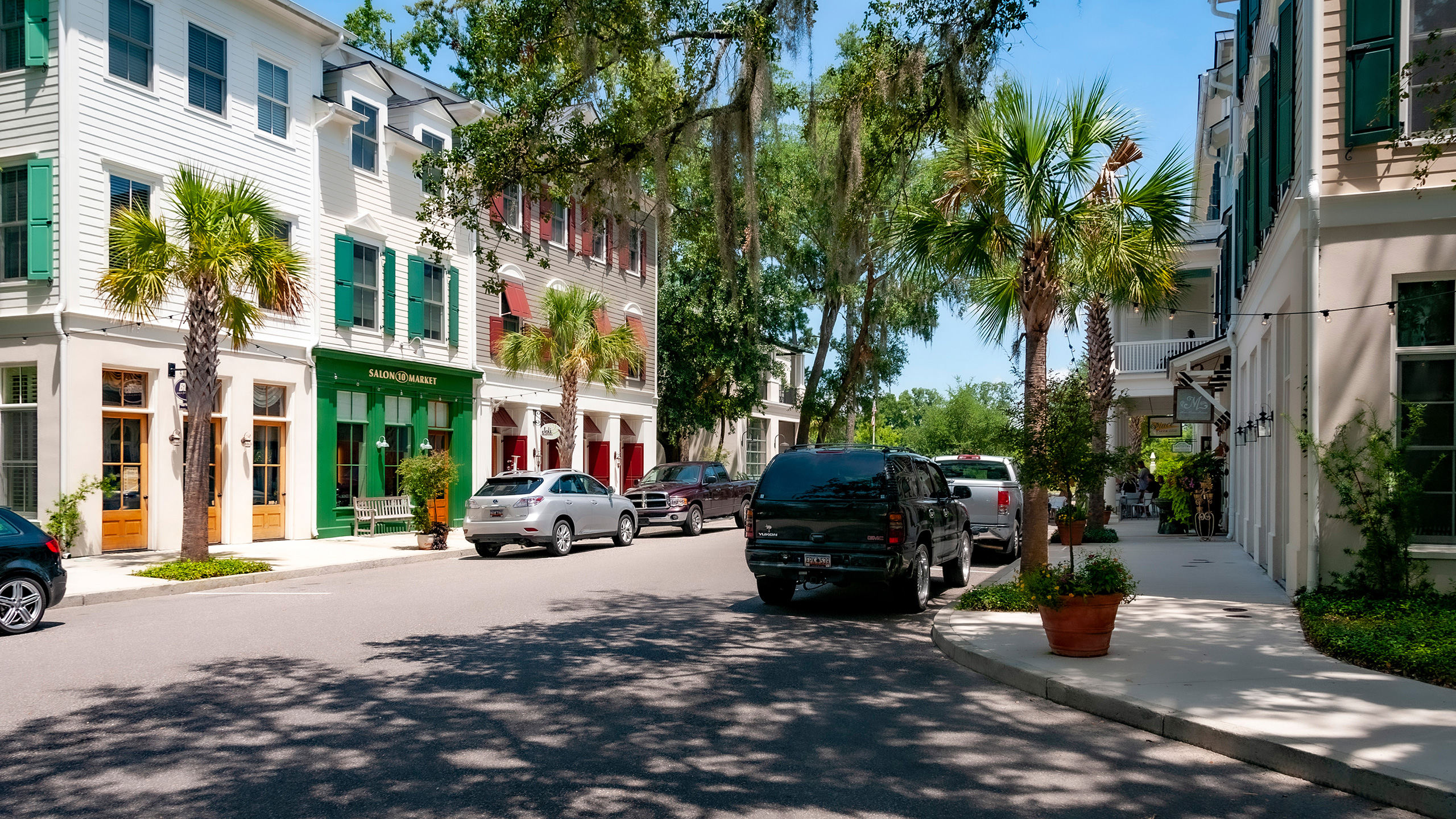
Habersham, a DPZ project near Beaufort, South Carolina is pictured above and is in the flight path of the Beaufort Marine Corps Air Station, just 4 miles from the end of the main runway. Early on, the Town Founder made a brilliant move and began marketing homes to MCAS pilots, quite a number of whom now live at Habersham. I've been there repeatedly over the years, and have seen many bumper stickers proclaiming "Jet Noise - The Sound of Freedom." NIMBYs would have a hard time getting off the ground there, and California Forever's plan to protect and strengthen Travis is a masterful move and should maybe begin with the pilots.
Homes for Military & Civilian Families
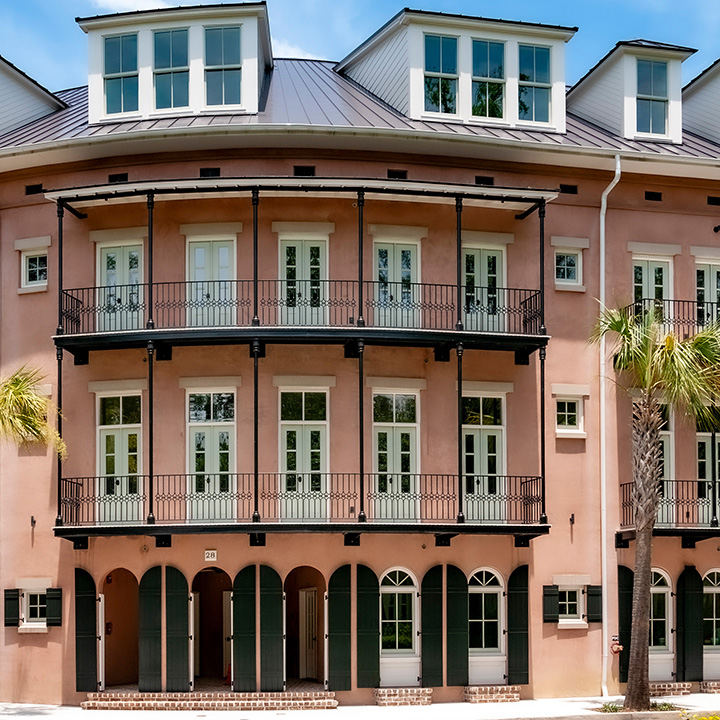
Anyone familiar with the Armed Forces knows about getting transferred, so Habersham and Providence both have substantial amounts of multifamily housing in their town centers (this image is from Habersham) to facilitate transient residents. The many types of Missing Middle Housing are great at this because you can feel right at home but it's an easier place from which to depart on your next assignment because you can just give your notice instead of having to sell your house.
California Forever's imagery illustrates a true motherlode of Missing Middle Housing, making it a great place for both military and civilian families stationed at Travis. And making it clear that the intention has been to be Travis-friendly all along.
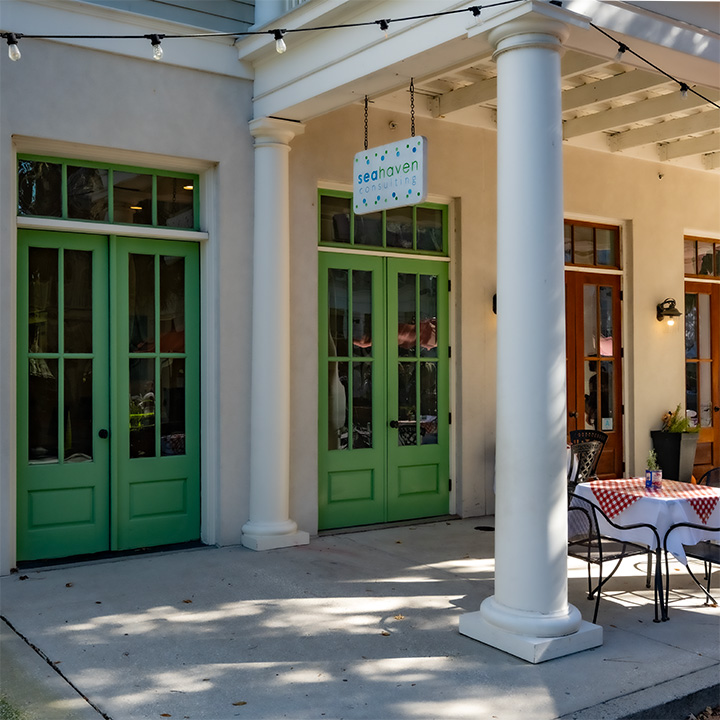
Job Opportunities For Military Spouses
First careers tend to focus on income production that supports financial needs of young families, but once there is a higher-income-earner in the household, that frees up the other adult(s) in the household to move on to one of the best working phases of life: the passion career. Without the burden of supporting basic necessities, people are free to pursue things they've long believed in with hopes both of doing something they really love, leaving a legacy, or both.
My mother wanted to pursue a passion career when I was in high school, but was rejected by the Planning Department because the city's use-based zoning ordinance didn't allow any kind of business venture in a residential district. California Forever has no such restrictions. If you're comparing notes between this post and the Specific Plan, the Table of permitted uses is on pages 57-60.
Nearby Cluster of Defense & Aerospace-Related Companies
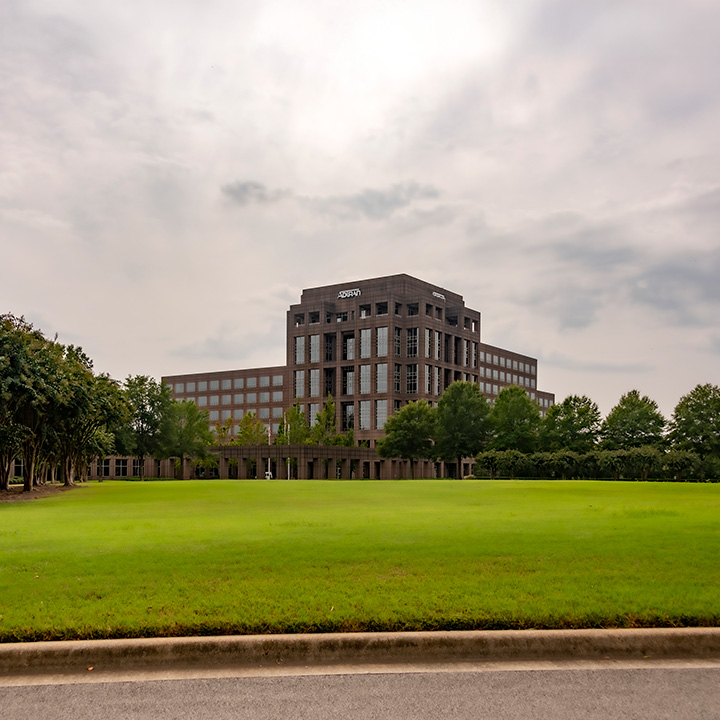
Praises of the virtues of clusters or hubs of similar businesses have long been sung, but this image represents how not to do it. Office park buildings like this have wide landscape buffers and parking lots all around, which tend to keep everyone in the building until quitting time. Clusters and hubs make the most sense when they're built in a city where people from cluster businesses can get together for lunch or happen across each other on a walk. Google "Steve Jobs, Larry Page, Sergey Brin lunch" and you'll see how it has worked in the Valley. And most of Steve's best innovations occurred while out on long walks. "Thinking on your feet" is a research-confirmed phenomenon thoughtful people have understood for centuries. The streets and civic spaces of California Forever will clearly be more innovation-rich zones than any ordinary office park.
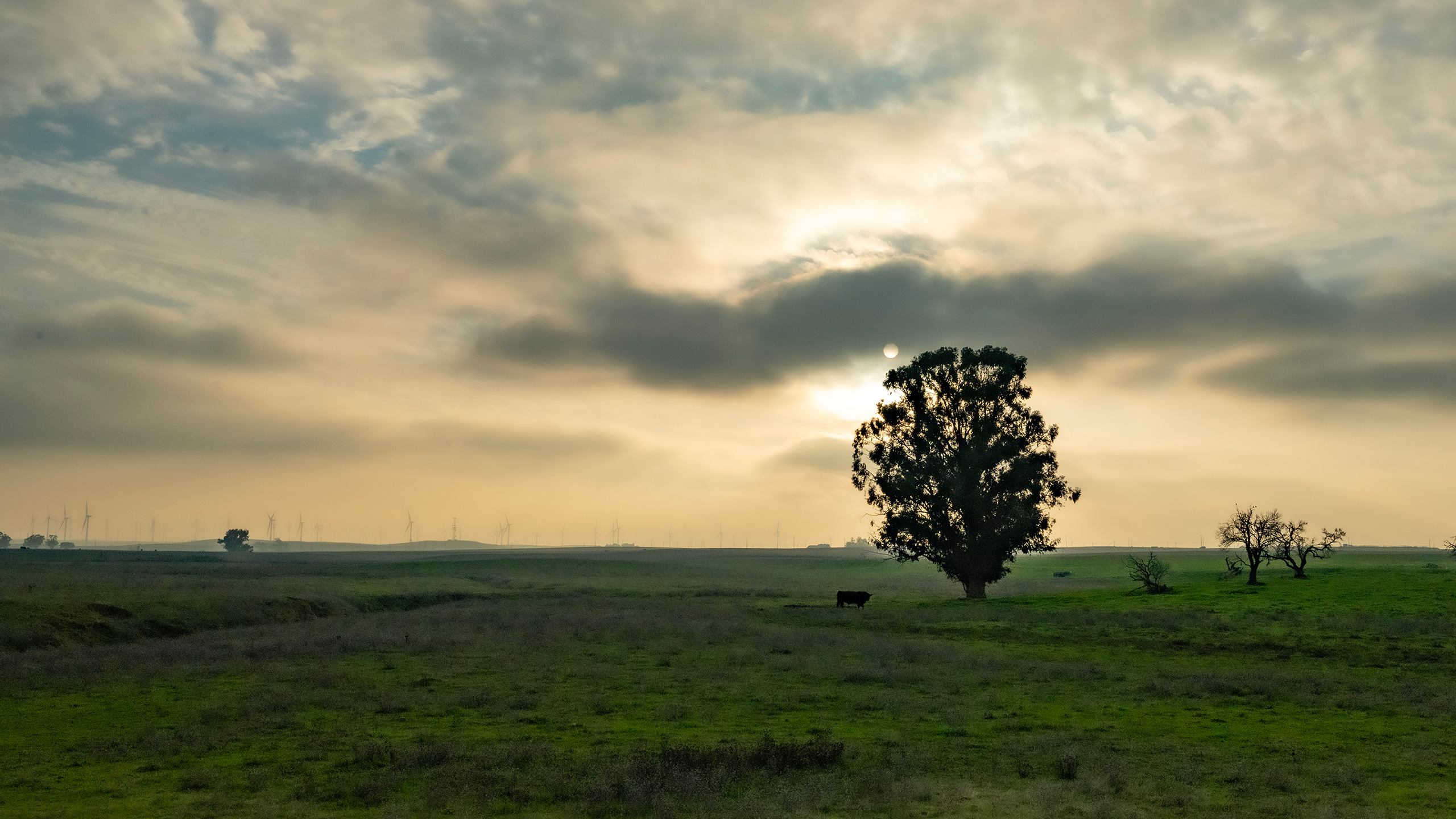
A Source of Tax Revenue & Growth for Suisun City
Two names absolutely essential to any discussion of municipal tax revenue are Charles Marohn and Joe Minicozzi. Charles (or "Chuck" to his friends) founded Strong Towns and Joe is a founder of Urban 3. They are considered prophets of doom by conventional planners and developers because they have done the math, and the numbers show that any city built primarily on the patterns of sprawl has an expiration date when it will go bankrupt because the infrastructure of sprawl always has a negative ROI. The only question is how quickly a city's doomsday will arrive. Places built on the compact, mixed-use, and walkable patterns of California Forever, on the other hand, will likely thrive long into the future of our distant descendants. So there is no question more important to a municipality than which pattern of development to choose for its yet-undeveloped land.
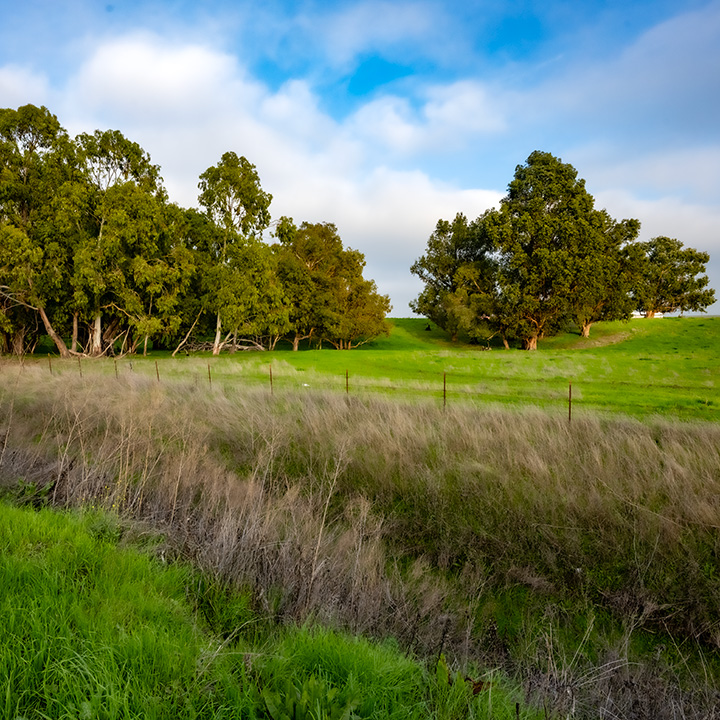
Room for the Next 40 Years of Suisun City’s Growth
Suisun City had a population of 29,518 in the 2020 census and currently sits on 4.0 square miles of land for an average of 11.53 people/acre or at an average US household size of 2.53 in 2020, 4.56 households/acre. California Forever's expansion of Suisun City is slated to house 400,000 people, and the Specific Plan includes 15,740 acres, for an average of just over 25 people/acre, or just over double the compactness of Suisun City as currently inhabited, so that's not an extreme intensification. But the net fiscal surplus increases with intensity, so it's worth looking at a few back-of-the-envelope calculations. The imagery in the Specific Plan shows great urbanism comparable to the arrondissements of Paris, so what would Paris' intensity produce on the Specific Plan site? The arrondissements of Paris, which are basically the central city areas replanned by Haussmann in the 19th Century, or the parts of Paris you've likely visited if you've been there, house about 50,000 people/square mile, or 78 people/acre. That's about triple the population intensity of what's currently planned for the Specific Plan, so if residents don't mind living like Parisians, Suisun City could grow for a few decades longer than 40 years on the Specific Plan site. In other words, California Forever is being conservative on what they can deliver, which is good on several counts, especially fiscal measures.
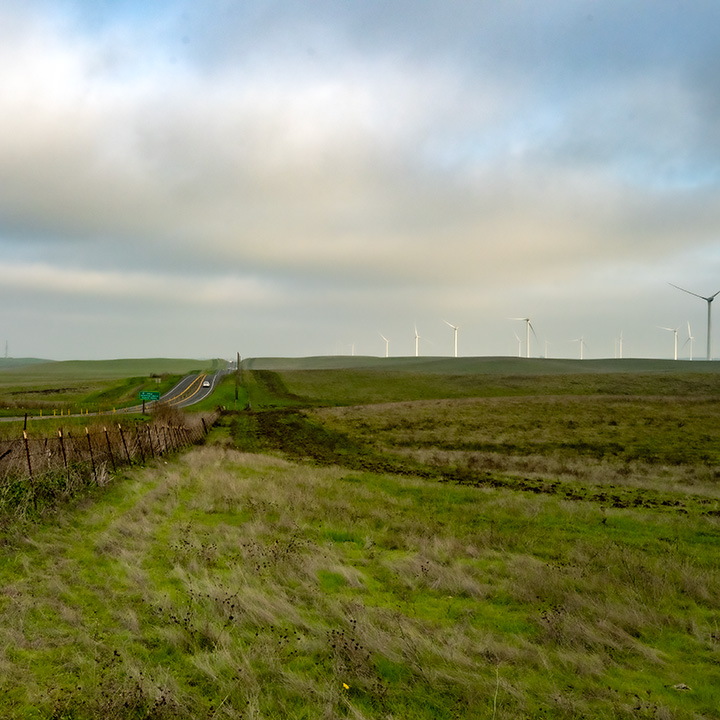
A Net Fiscal Surplus to Suisun City
My numbers are rough back-of-the-envelope approximations as noted just now; Urban 3 analyses are precise, highly graphic, and quite frankly mind-blowing. A Strong Towns analysis is more broadly-based, with reams of knowledge it would take me decades to learn. I know Prop-13 exists, for example, but Chuck can tell you how it impacts the sale of this building on this street in this town, and also how it impacts the economics of the town center as a whole both now and into the future, and then lay out the several best approaches to take and their implications. Simply put, their work products are highly complementary, and I would not recommend pursuing a project of this scope without their analyses.
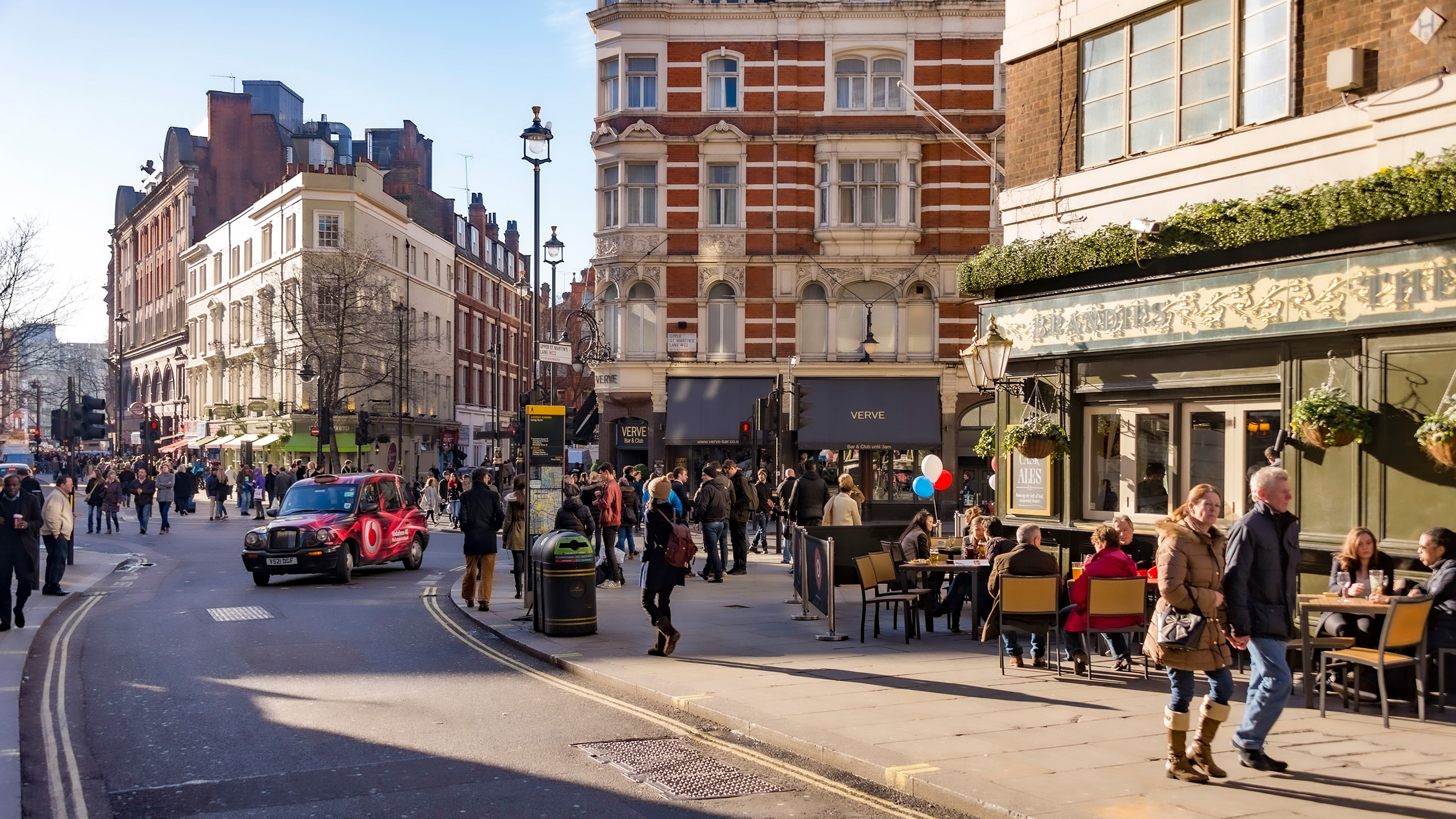
The Most Walkable Community Built in the Last 100 Years
Building the most walkable community in the US over the past century is a heroic and praise-worthy goal we should all applaud. When the New Urbanism began at Seaside 45 years ago, walkability was the high standard and TIME declared Seaside "The Little Town That Changed The World" in large part because it was the first highly walkable new town built in decades. But is being walkable (walk-able) the highest standard today? Do you want coffee that is merely drinkable? A book that is just readable? A meal that's only edible? Then why should we settle today for a place that's just walkable after these decades when New Urbanist places have gotten so good at building walkable places that it's a much lower bar than it was in 1980?
The high standard today is Walk Appeal; an attribute embodied in places where you're not just able to walk, but where it's appealing to walk. It has been written about for a dozen years now, from core principles to Walk Appeal measurables and immeasurables, its impact on local economic health and more importantly on public health We now know how to heal street frontages with low Walk Appeal. But with all that progress, there still isn't a community in the US that has dedicated itself to high Walk Appeal. Why not California Forever? Lest there be any doubt, it's a perfect fit, so they have my vote!
Complete Mixed-Use Neighborhoods With Generous Walking Spaces
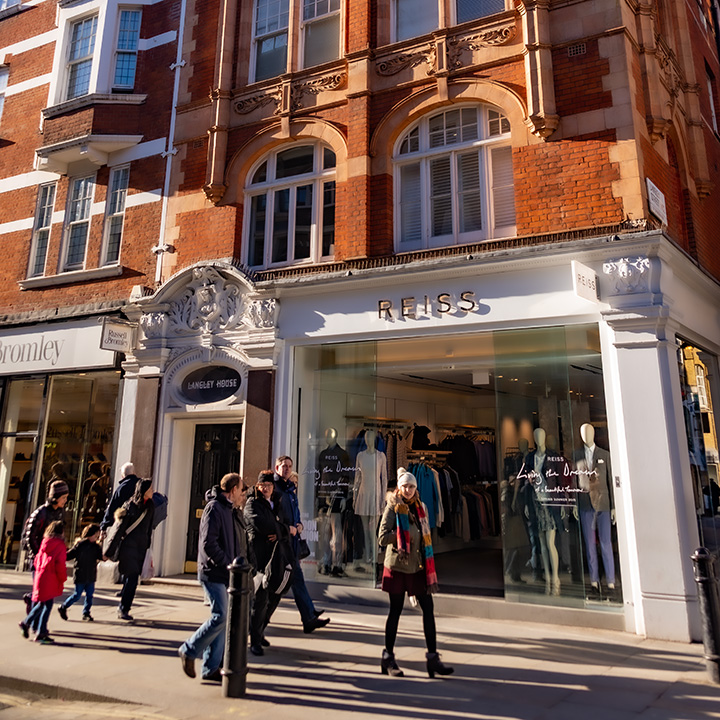
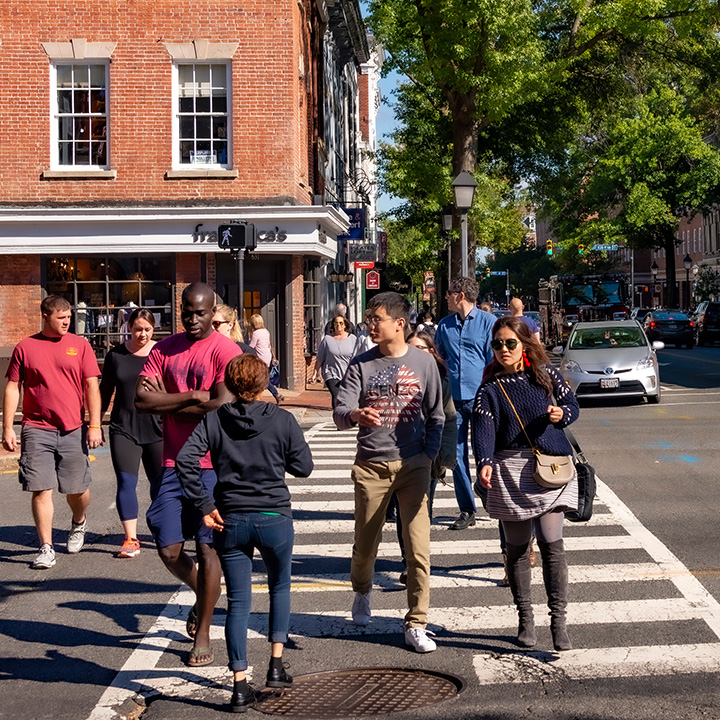
Sidewalk width is a strong indicator of civic optimism. A town center with only 5 or 6 feet of clear sidewalk width doesn't expect many customers whereas a place like California Forever that has "generous pedestrian spaces" written right into their plan expects a bustling city like this London scene with a sidewalk wide enough that people can walk several abreast.
But that only works when there are plenty things to walk to, which is why it's essential for neighborhoods to be complete in their offerings, with daily, weekly, and monthly necessities available within short walks for both residents and their visitors in each of the stages of their lives.
Biking & Transit Network to Make Cars Optional
Places that are great for walking build stronger economic health, environmental health, and public health, but there are times we need to get to some of those daily, weekly, or monthly needs more quickly, and biking and transit can help with that. And if the bike and transit networks are robust enough, you might not even need a car.
That reduces a significant economic burden because the full cost of owning or leasing a car plus maintenance, insurance, fuel, and maybe tolls can easily be $10,000 or more per year in many places, plus you need to have a place to store the car in the 90+% of the day when you're not driving it. So a good bike and transit network paired with your neighborhood walking network helps make you healthier and wealthier, and has a similar effect on your city as well.
Compact Built Form to Support High-Quality Transit
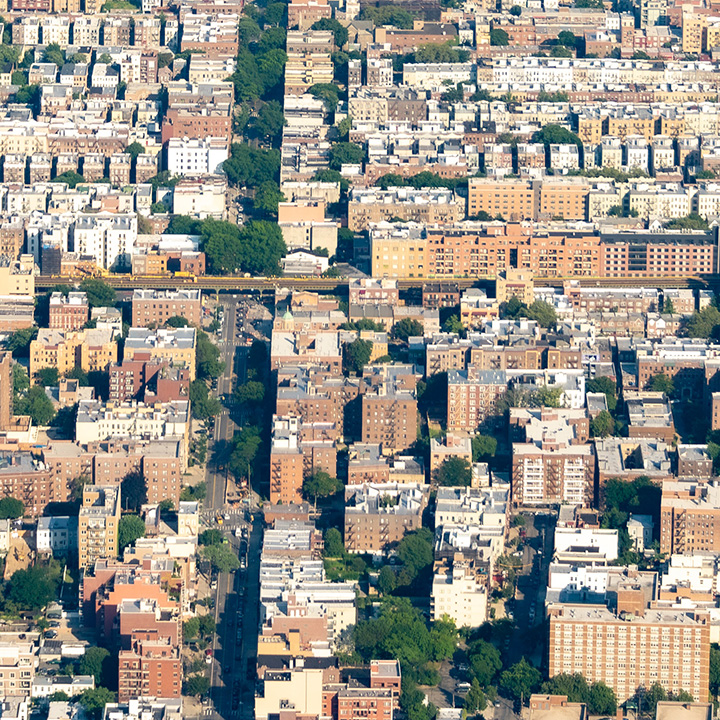
People frequently say "transit won't work here because there aren't enough riders to support it," and they are often right. Mostly-empty transit cars are hard to defend against transit opponents who usually don't want to see transportation dollars spent on anything except the car infrastructure they use to get to everything.
There are several strategies for combating this objection, but the best one is to build compact, mixed-use neighborhoods with enough residents for an ample supply of potential riders. California Forever's illustrations paint a picture of a place intense enough to easily support high-quality transit.
A Child-Friendly Community
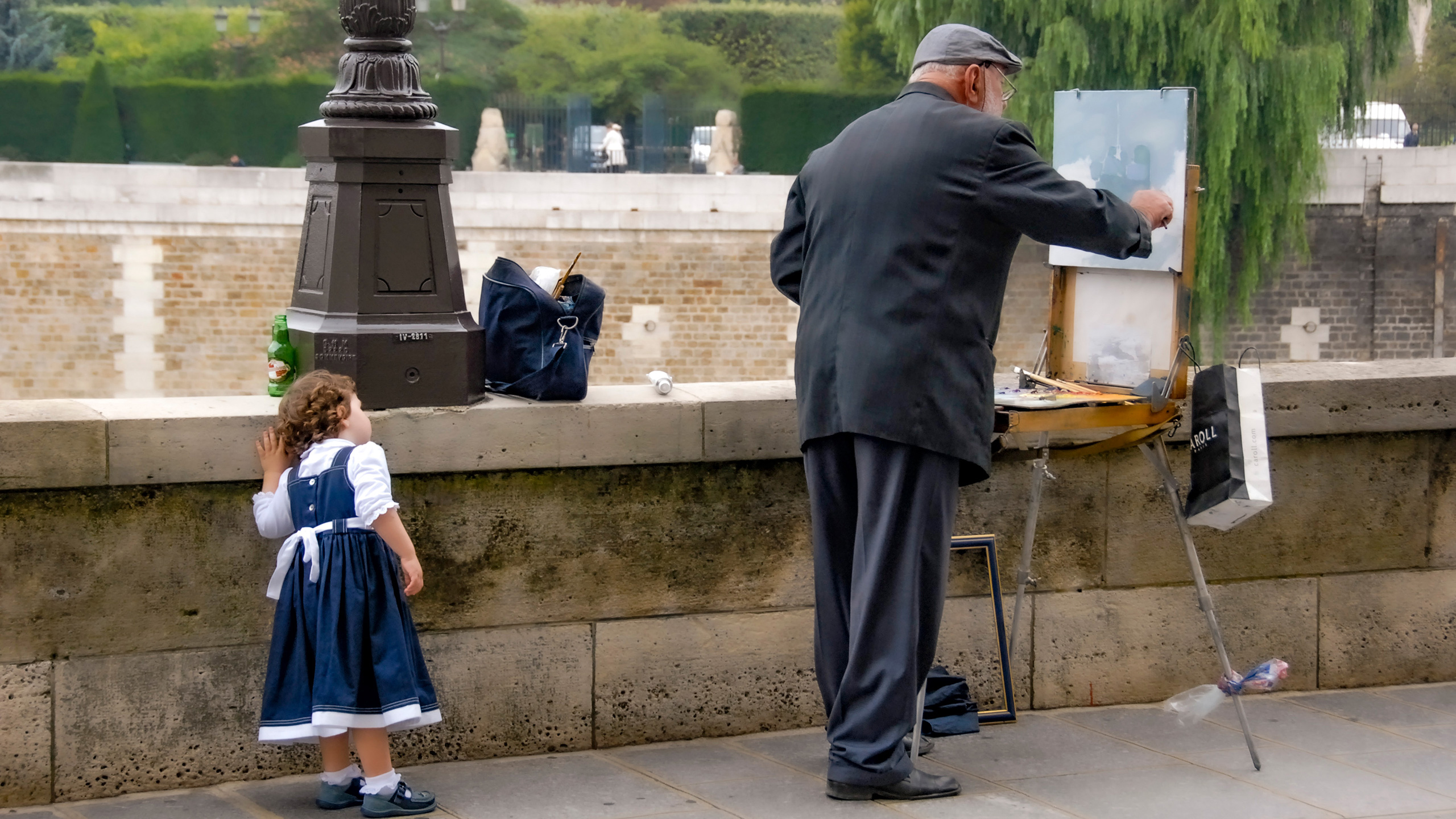
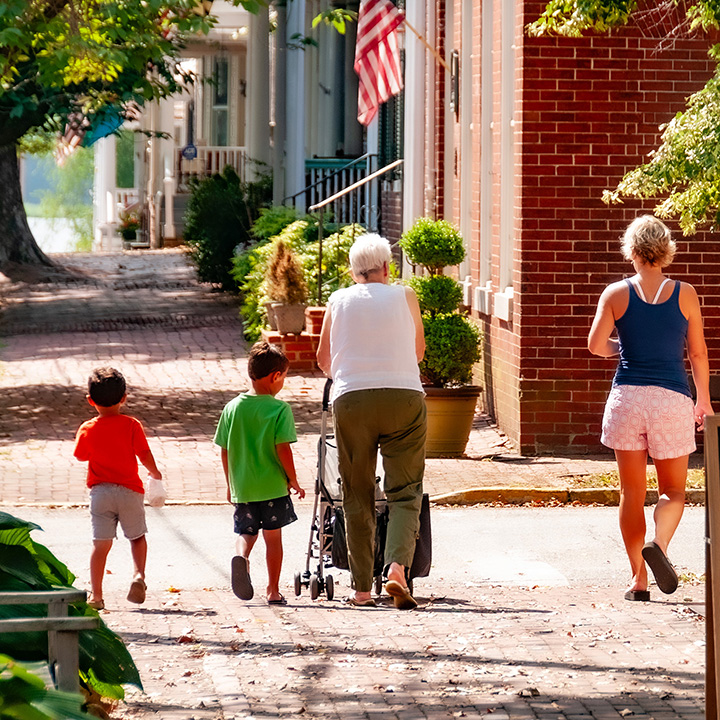
Christopher Alexander's Children In the City pattern was mentioned earlier but this section augments the story because no place is a complete place without the children, and also the old people. And both young and old have been excluded from so much of the city since the dawn of the Industrial Revolution but California Forever stands to change this course.
Safe Streets
Fair warning: many things up to this point have been pleasant or maybe even inspiring, but this part is terrifying and could even be insulting, depending on your temperament. Standard street design practice is supposed to be all about safety, or so we're told, but it's really about getting cars from one place to another as quickly as possible. And transportation engineers across the country engage in false advertising all day, every single workday. Every speed limit sign is a lie. A 35 MPH speed limit sign implies that the design speed of that street is 35 MPH. It is not. The design speed is almost certainly 45 MPH or maybe higher. Any place interested in streets safe for children, and also for old folks, absolutely must have some brass-knuckle conversations with the transportation engineers doing the designs or they'll get the same unsafe street designs that kill roughly 40,000 Americans every year. That's like a fully-loaded 747 jetliner going down with no survivors every 4 days or so. Here's how these street atrocities work:
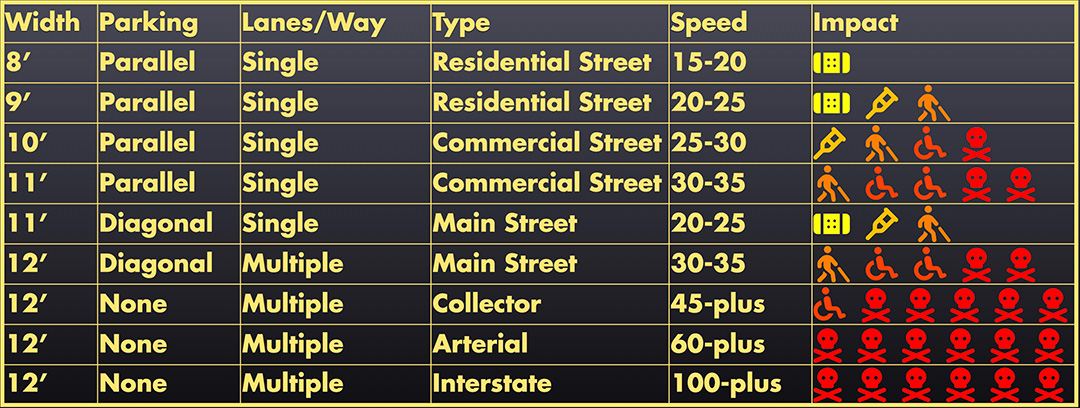
Here's what different lane widths and their design speeds (not posted speed limits) will do to you. The yellow bandage icon means you may get just bumps and bruises. The light orange crutch icon signifies injuries that will keep you on crutches for a while. The mid-orange icon of a person and cane means someone with a permanent injury manageable with a cane or similar device. The deeper orange wheelchair icon indicates permanent injuries leaving you less mobile. And the red skull and crossbones means death. To be clear, few people get hit on interstates, arterials, or even collectors because most people know better than to walk or bike in such deadly places. But the big picture is this: while roughly 40,000 people are killed on US streets every year, an incredible two million people sustain permanent injuries they have to deal with for the rest of their lives.

But that's not all. Transportation engineers, again in the interest of faster travel, use curves with larger radii so people can speed around the curves more quickly. But this can be dangerous or deadly as well as lane widths, with the same meanings for the icons, from the yellow bandage for minor injuries from which you're likely to recover soon to the red skull and crossbones, which is death.
The bottom line is this: any place deeply committed to building safe streets needs to be equally committed to having some long, tense conversations with their transportation engineers. In my experience with such conversations, the one question that finally leads to real progress was this: "Is what you're trying to do here in a code somewhere that will get you arrested and maybe thrown in jail if you don't follow it, or is it just standard practice in your profession?" "It's standard practice." "OK, so since neither you, I, or anybody else has to do prison time for doing the right thing, we will in this place dispense with your standard practice and create much safer streets." And so we did. It was a long, difficult discussion that took a couple weeks to bring to a conclusion, but once it's clear that such conversations come down to law vs. standard practice at the end, they're easier to resolve in the future. But regardless of the turns they take, keep crystal-clear on the fact that if you're serious about streets that are safer for kids and old folks, this is a conversation you absolutely must be willing to have because the engineers I've worked with will never deviate from their standard practice via any other path I've ever found.
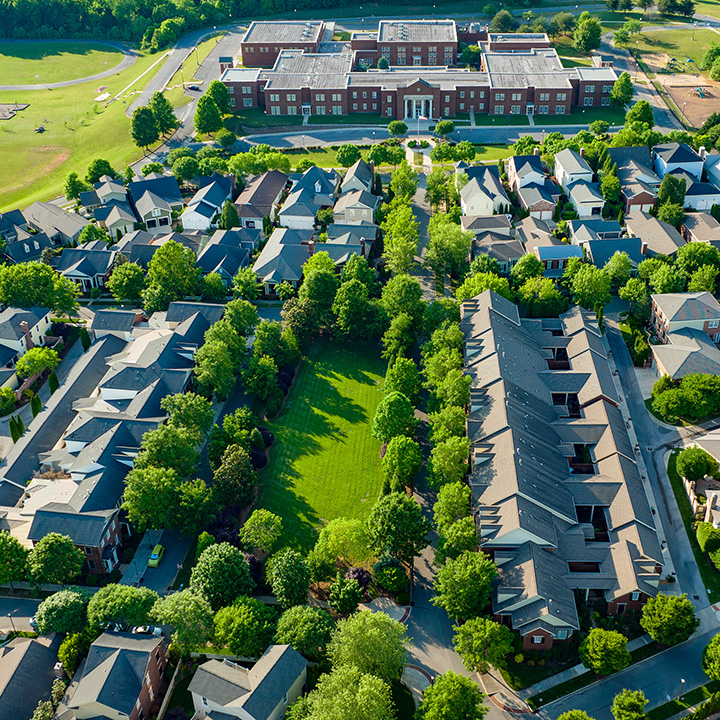
Neighborhood Schools
Neighborhood schools are a great idea, especially when neighborhood streets are designed so kids can safely walk to school and back home again, with their friends or with their parents. Clarence Perry's famous Neighborhood Unit diagram of the early 20th Century was an important starting point for early New Urbanists after a half-century of subdivision-building instead of neighborhood-building, but changes in the decades since the diagram's development required adjustments. The neighborhood school and other civic structures were located at the center of the neighborhood for a shorter walk, but several things have changed since then. Children got plenty of exercise doing daily chores a century ago but as life became more sedentary post-WWII, schools sprouted recess playgrounds and an assortment of sport playing fields and courts for physical fitness activities. Campuses several acres larger than in the early 20th Century cast a "pedestrian shadow," discouraging people from walking all the way around them, therefore making the entire neighborhood less walkable.
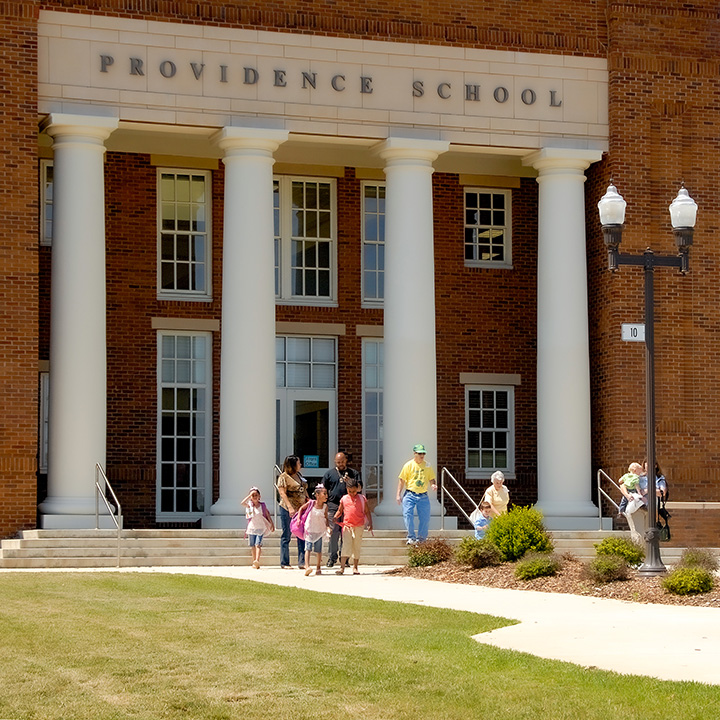
The neighborhood school pictured here is embedded at the edge of the Providence neighborhood discussed earlier; its sport fields & courts are mostly out of view to the left and the recess court is to the right. The school site was donated to the city school board by the Town Founders. When the school superintendent came to the charrette she said “that will never work; state law requires stack lanes bigger than this entire site.” I said “you’re mistaken; I went to a school without stack lanes and it worked just fine. You might have heard of it; it’s Huntsville High School. Because it’s embedded at the edge of a neighborhood just like what we’ve planning here, parents stack on neighborhood streets which are empty at 3 PM because everyone is at work.” And so we did. The school board worked it out with the state somehow, and Providence School is embedded at the edge of the neighborhood, just like we planned all along.
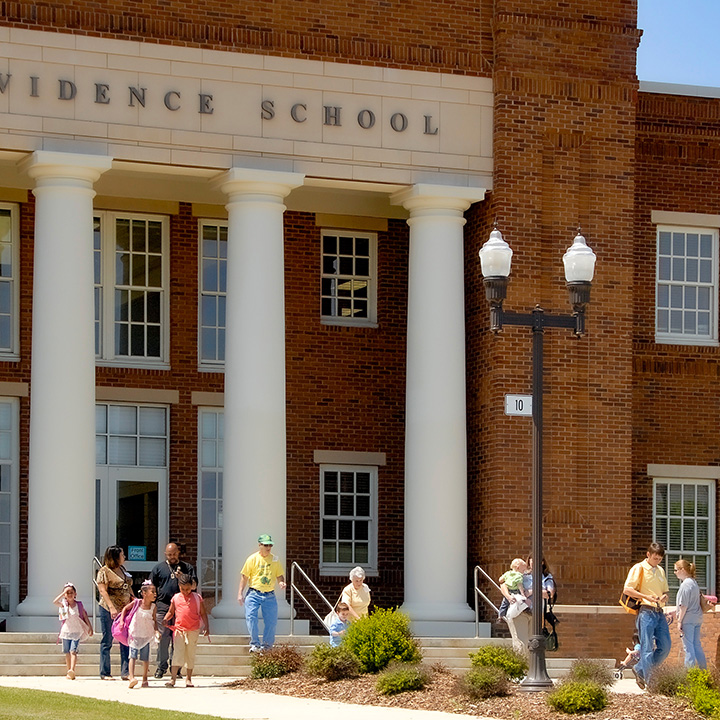
One caveat on stacking: Parents at Providence School don't just stack on neighborhood streets waiting for the 3:00 bell; some "stack" on foot in front of the school, visiting with each other until their kids get out, then walking them home through Providence's highly walkable streets.
Walking home instead of riding home from school in a car has an added benefit: instead of spending those backseat minutes scrolling social media, kids are instead getting better acquainted with their neighborhood and the surrounding town. I'm from Generation Jones (born 1954 - 1965) and we were the ones whose parents said "be home by the time the streetlights come on." So we were urban explorers, and I can attest to the many benefits of knowing every nook and cranny of your neighborhood, and most often, surrounding neighborhoods where many of your classmates lived.

Family-Friendly Civic Spaces
There are dozens of indicators of family-friendly civic spaces, with none stronger than the one shown in this image because if parents let their kids play hide-and-seek in a civic space, they obviously trust that it's a really safe place. Other indicators are embodied in these questions: Will a parent let their child walk to the store and buy a popsicle, then return home? (This one isn't mine, but it spawned all the rest.) How many people are there? If it's not people-friendly, it's not family-friendly. How fast are people moving in the space? If they're moving really fast it's likely boring or feels unsafe; a family-friendly civic space is one where you want to stop and stay awhile. How many sidewalk cafes are there? They are the "canary in the coal mine" of good urbanism, including family-friendly civic spaces. How many kids are walking their pets there? If parents trust their kids in a space on their own, it's likely quite safe, but the pets (especially dogs) help ensure that.
A Place of Economic Diversity
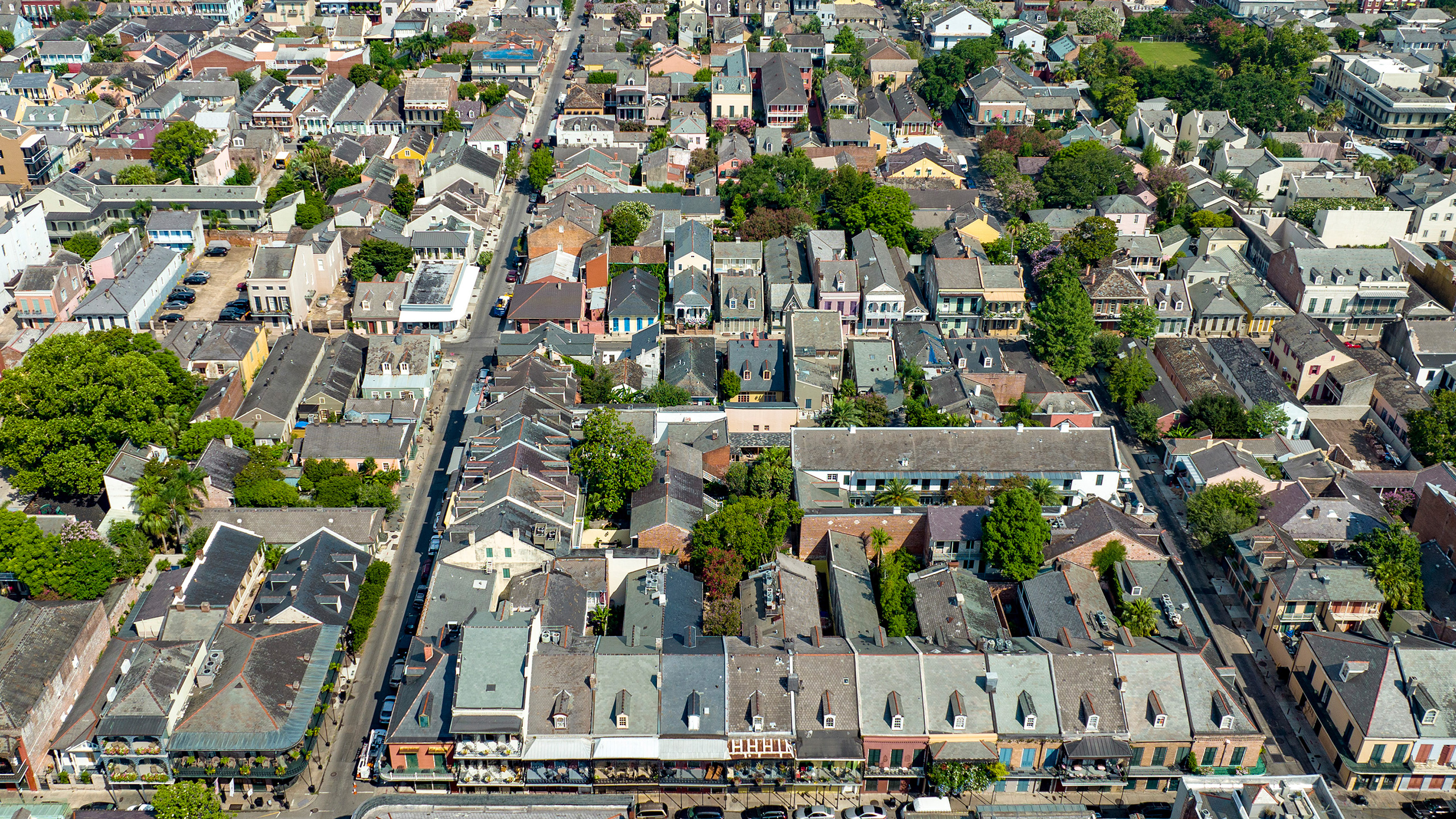
Jane Jacobs had a great economic diversity test embodied in the image above: the more properties per acre, the more diverse the urbanism can be. That is amplified by the fact that many of the properties in this image are mixed-use, creating both greater economic diversity and greater diversity of use. More properties per acre also carries with it the benefit of being a Single-Crew Workplace-friendly place because unless all properties are the same size, having more of them also means having more small properties. When exploring the California Forever plan for the first time, I was immediately struck by the number of properties and thought of Jane's maxim.
Wide Mix of Housing Values
I worked with the legendary Bahamian developer Orjan Lindroth for years, and while he developed a number of highly profitable places, he was first of all a dedicated student of urbanism. One Orjan observation that changed many things for me was "if you can create a 40:1 range of housing values (both ownership and rental) in a place, that economic diversity makes almost all things possible because all economically functional members of society can live there." Using this as a guide, Orjan even housed farm workers in a development where mansions were just a few blocks away. And while working on a design charrette for the architecture of one of his towns, a friend of his came up to me and quietly said "there are four other billionaires in this room. When Lyford Cay was first developed in the 50s we thought it would be a great place for us, but quickly discovered that hanging around with other billionaires bored us all senseless. And while the wealthy will happily suffer for art and other things, the one thing we cannot tolerate is boredom. So if you design the architecture of this place just for us, we will not come. But if you design for a wide range of people, that is interesting to us, so we'll be there." I've never forgotten that, so when I was planning the Waters with PlaceMakers, I spoke with Orjan and he said "I don't think you can get a 40:1 range of values in the US because it's so different from standard development practices there, but you should go for 15:1, which I think you can achieve." And so we did, and so it is.
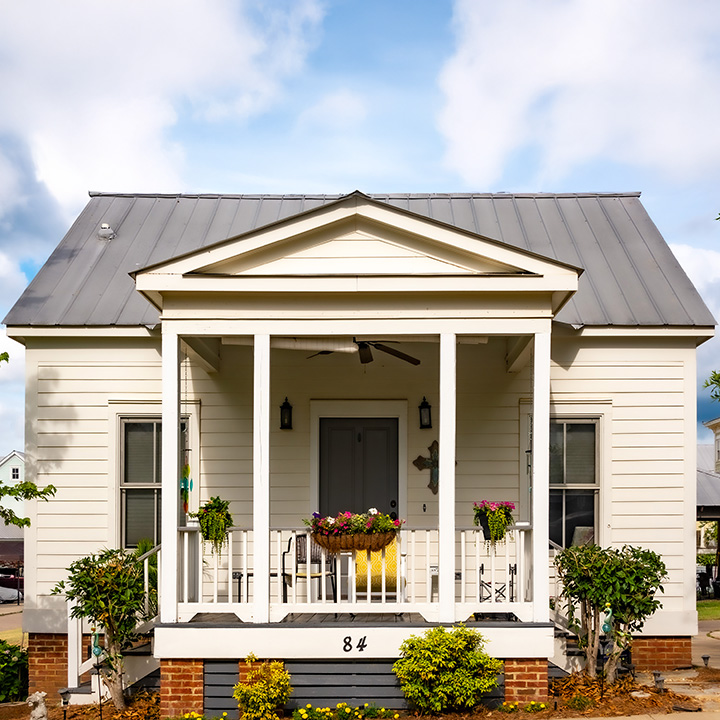
When working to achieve the 15:1 value range at the Waters it quickly became clear that building mansions at the high end of the range was easy; the hard part is building highly affordable homes at the other end of the range. When we first started developing at the Waters, developed land value all around the Waters was $20,000/acre as they were selling 2-acre lots with all the infrastructure for $40,000 for miles around, beginning right across the street. But as soon as the market got a feel for the type of place we were building in the first two blocks we built, developed land value in the Waters skyrocketed to $500,000/acre, or 25 times as much! In spite of that, we developed 1-bedroom cottages like this one that sold for $160,000 (including land cost), which was the most affordable homes sold in that market in decades.
Putting Orjan's 15:1 recommendation into perspective, subdivisions across the US have home pods where home values only vary by about 5% because the Industrial Development Complex loves to produce many near-identical widgets. A 15:1 range is a variance of 1,500%, or 300 times as great as standard development practice, which is why he recommended that range for development in the US instead of the 40:1 range he found frequently in Europe and on other continents, which is almost 3 times higher, which he considered a bridge too far.
Young Talent
Whenever the issue of a wide range of housing values arises, many object because Americans have since WWII been sold the bill of goods that "a good development is one where everyone's just like me," even though "everyone just like me" is a great definition of boredom as Orjan noted. But when that issue is inevitably raised, the question that should follow is "don't you want to attract young talent? And if so, where can people right out of school afford to live?" Carried to its logical conclusion, a city that cannot attract young talent will inescapably become GeriatriTown someday. There are ghost towns, and refusal to attract young talent is a reliable way to transform your town into one of them.
Wide Mix of Housing Types
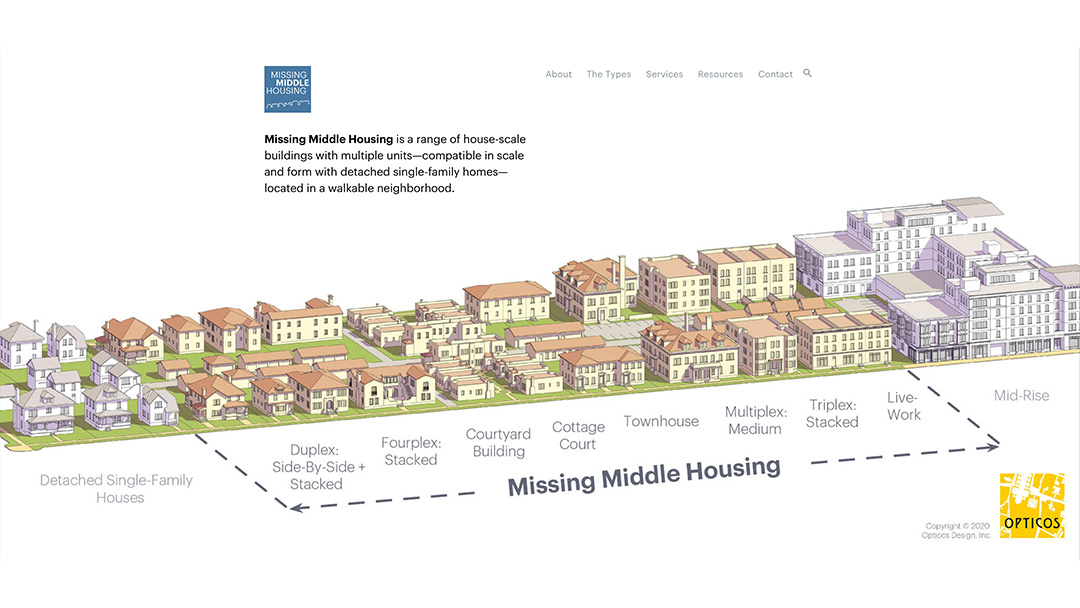
Californians Karen and Dan Parolek, partners in Opticos Design and in life, developed the idea of Missing Middle Housing in response to an astounding lack of diversity in building types being developed, especially after the Meltdown of 2008 that led to the Great Recession. Since the ensuing recovery, the Industrial Development Complex has churned out a huge number of single-family homes and mid- and high-rise condo towers, but nothing else in between, resulting in really boring cityscapes. And if leading your city to attract young talent is more important than seeing it become a ghost town, look at what attracts the young talent… beyond more affordable housing, of course. So check out The Experience Economy where you'll discover that young talent tends to value accumulating experiences over accumulating stuff, which puts them in the same realm as the wealthy on the issue of boredom even while on the other end of the economic spectrum. Next, look at the places young talent hangs out. In my observation, you're far more likely to find them in a traditional downtown than at a generic strip center because it's more interesting. And where do they want to work? Google "death of office parks" which at this moment gets over 400 million hits, and the primary reason cited in many of those hits is the fact that young talent doesn't want to work anywhere that boring. So if young talent doesn't want boring places to work or to hang out after work, it should come as no surprise that they don't want to live somewhere boring, either. This sets up the wealth of Missing Middle Housing types as the future of housing to millions. And even a cursory look at California Forever images reveals that it's a larger epicenter of Missing Middle Housing types than anything else being developed today.
High-Quality Public Services
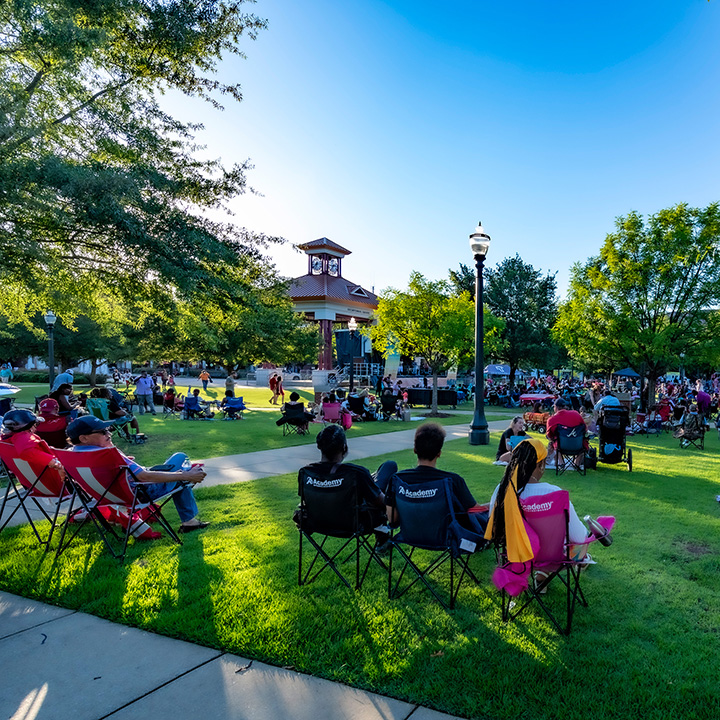
We've discussed public services like schools, civic spaces, and transit already, but there's another angle that bears consideration: the economic benefits of neighborhood-scale services like these. The top benefit is obvious: driving to these services burns gas and makes you (and your kids) fat, while walking or biking to them burns fat and makes you healthier, like most of these Tuscaloosa townspeople did when coming to this concert in the park downtown. High-quality transit like the German tram system shown earlier is an obvious economic benefit as well in a place like California Forever where it can allow people to live without the steep financial burden of one or more cars.
The Most Sustainable Community In The World
Of all the things to which California Forever is committed, I've saved the best for last because no consideration is more important when founding a new city than to build it in a way that leads to it being sustained in a healthy way, long into an uncertain future. The Original Green is that way. It is the sustainabilty all our ancestors knew by heart. Had they not sustained themselves, we would not exist. It's that important.
The most fascinating thing to me about California Forever is that everything in their Specific Plan leads toward the Original Green. I don't know if they knew, or if they just instinctively took those steps and set up those goals, but this is where it leads: to real, enduring sustainability, not just marketing fluff.
For forty-five years, I've committed myself to learning how the Original Green can work in our time. The ideals and foundations below have only brief statements, but the links they contain each lead to a wealth of content. And if you want to dig deeper, the "Tales & Tools" at the bottom of each page have links to stories and resources dealing with these ideas. I encourage you to explore them.
Ideals
The three highest ideals of the Original Green are patience, generosity, and connection.
Patience
The path of patience is long, but brings benefits not found when we clamor for instant gratification.
Generosity
The ideal of generosity has been an essential part of the New Urbanism since the beginning.
Connection
Without connections, communities would never form.
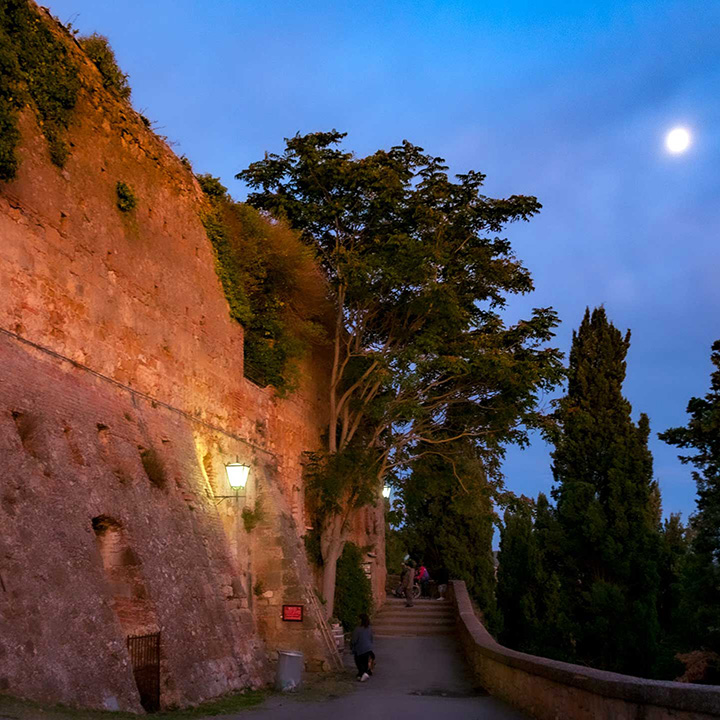
Foundations
The Original Green is built on sustainable places filled with sustainable buildings and inhabited by sustainable societies. Each of these three realms has four foundations.
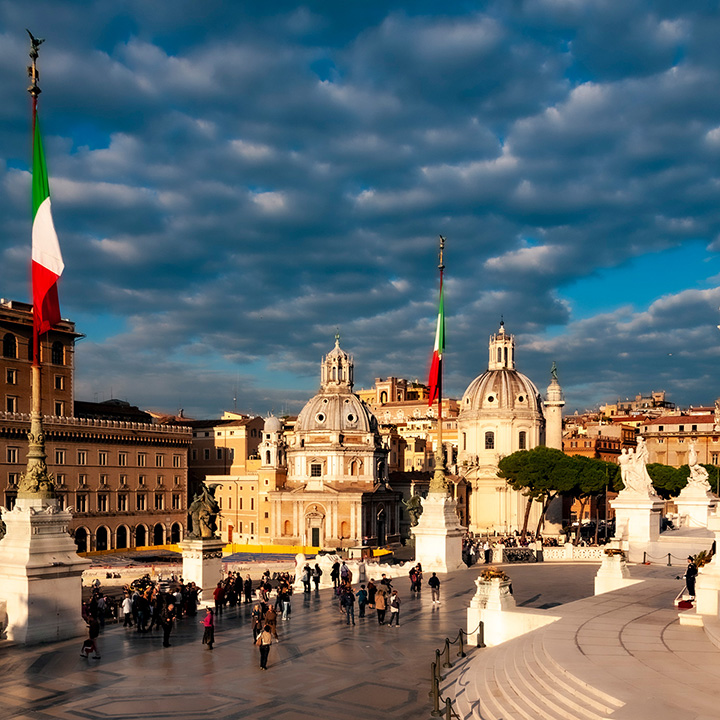
Places
First, we must build sustainable places, because it does not matter what the carbon footprint of a building is if you have to drive everywhere in order to live or work there. Sustainable places should be Nourishable, Accessible, Serviceable, and Securable.
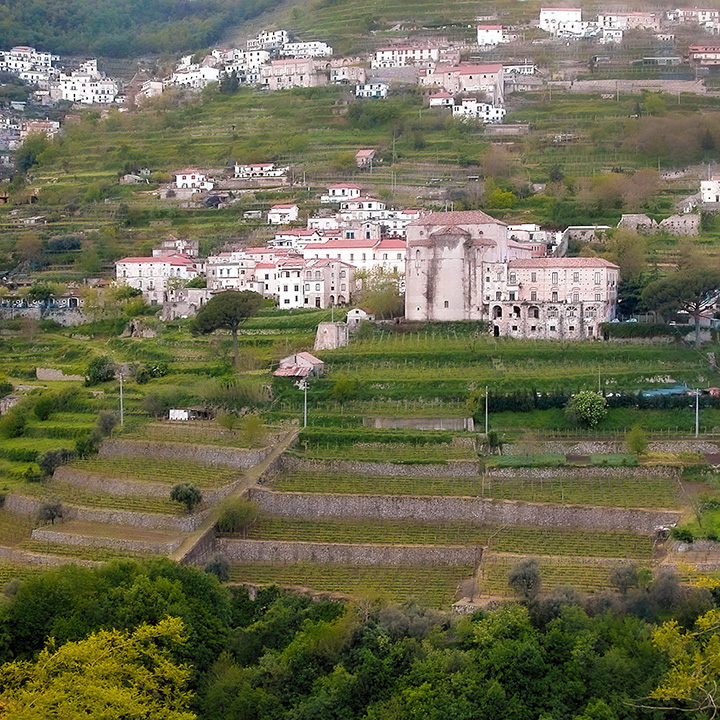
Nourishable
Sustainable places should be nourishable because if you can't eat there, you can't live there. We can now get food from halfway around the world, but that is unlikely to be true long into an uncertain future.
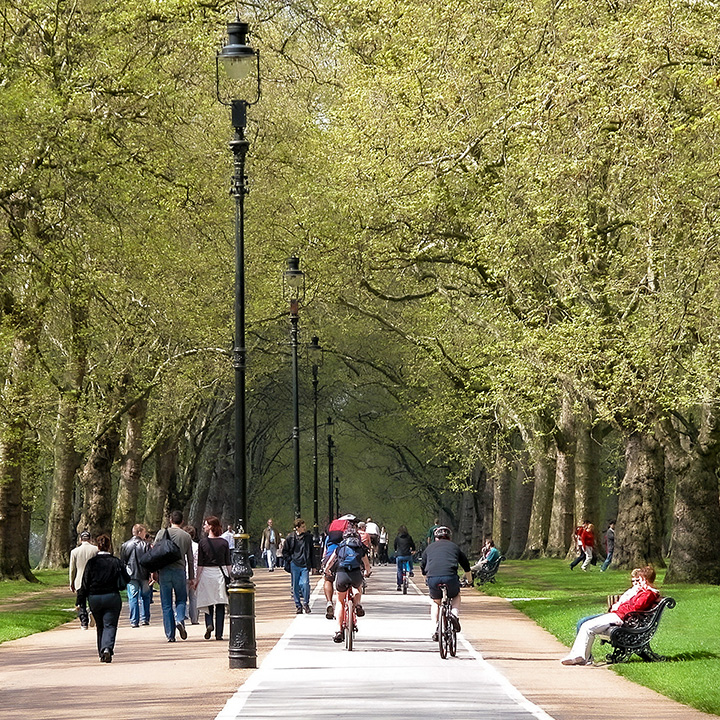
Accessible
Sustainable places should be accessible because we need a choice of means, especially the self-propelled means of walking and biking which you'll always be able to use so long as you're able-bodied, no matter how high the price of gas goes.
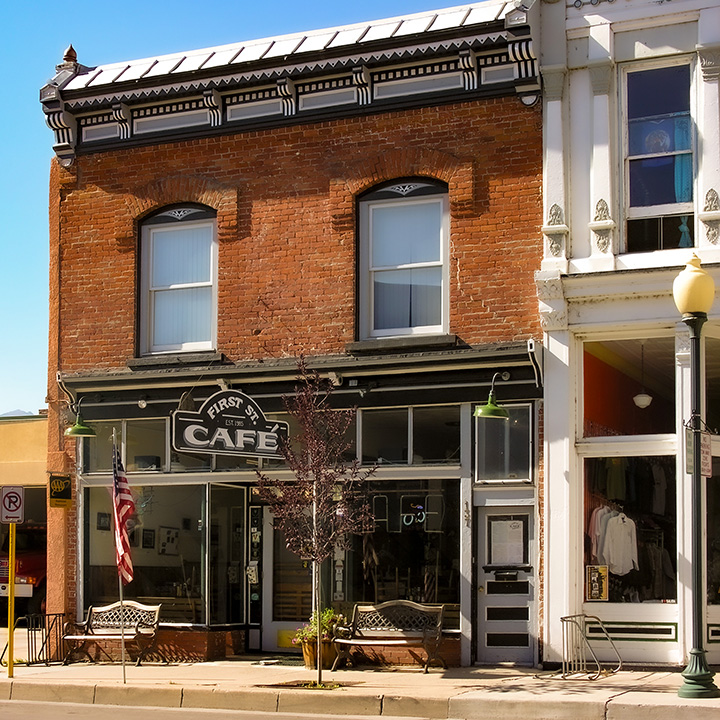
Serviceable
Sustainable places should be serviceable because we need to be able to walk to basic services, and make a living where we're living if we choose to do so.
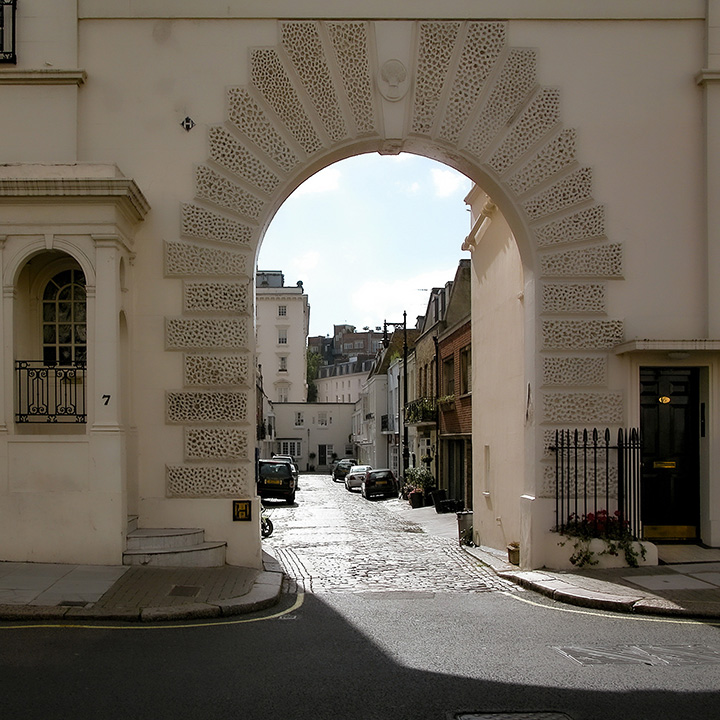
Securable
Sustainable places should be securable because if there is too much insecurity, the people will leave.
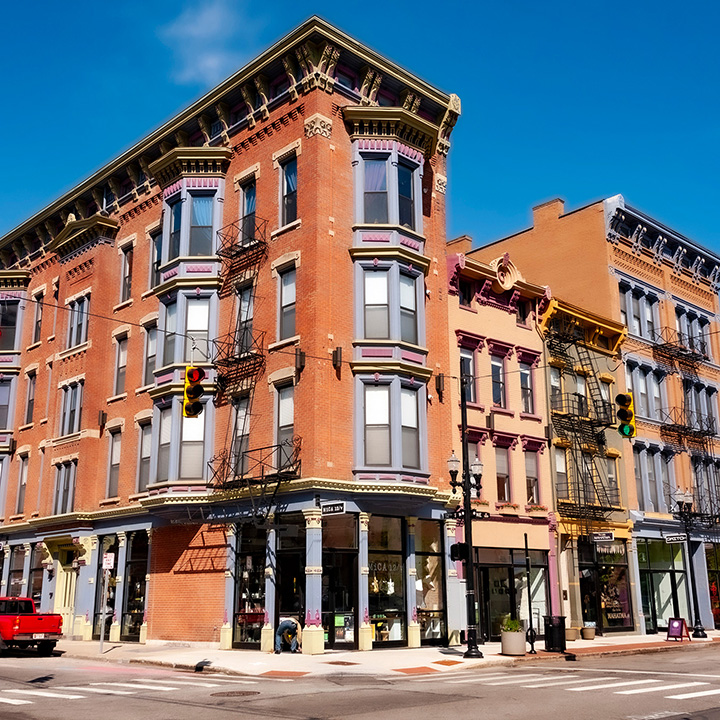
Buildings
Only after the place has been made sustainable is it meaningful to discuss sustainable buildings. Sustainable buildings should be Lovable, Durable, Adaptable, and Frugal.
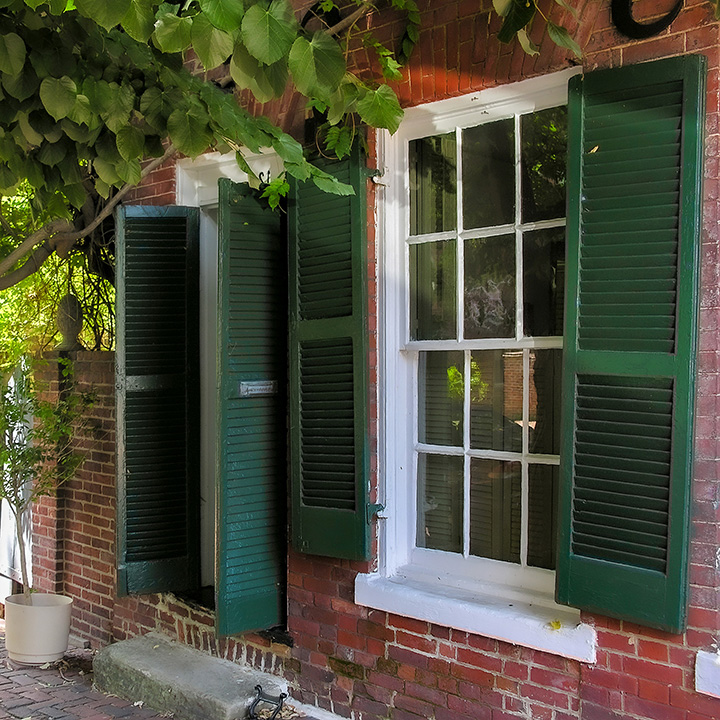
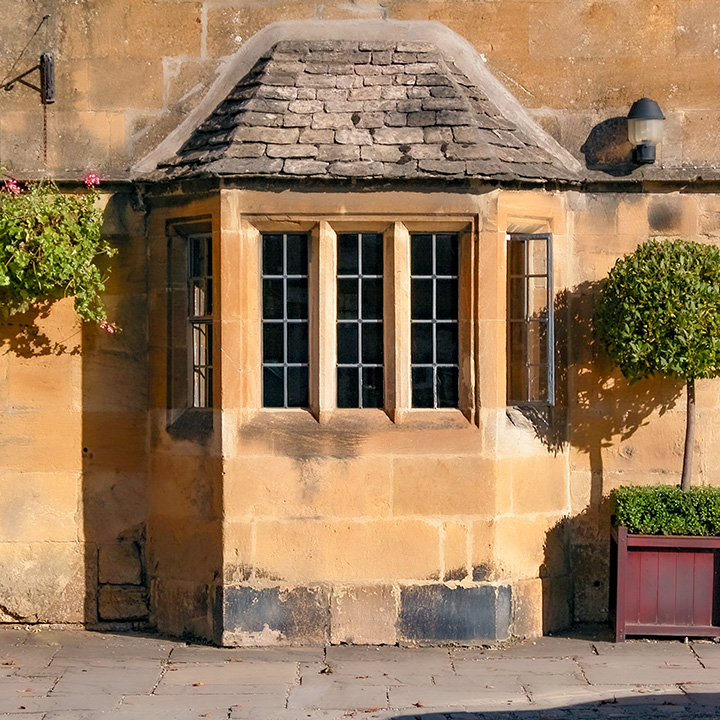
Lovable
Sustainable buildings should be lovable because if they can't be loved, they won't last.
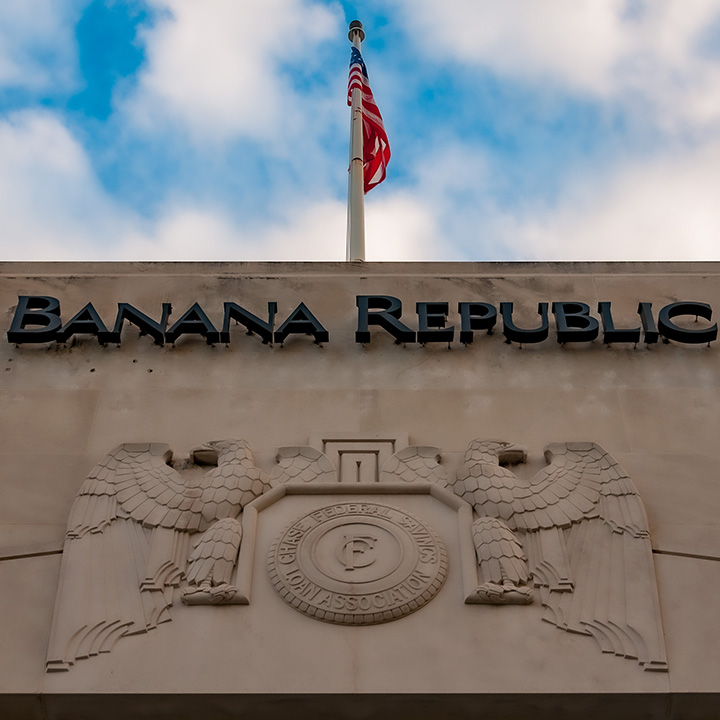
Durable
Sustainable buildings should be durable because only that which endures can be sustained.
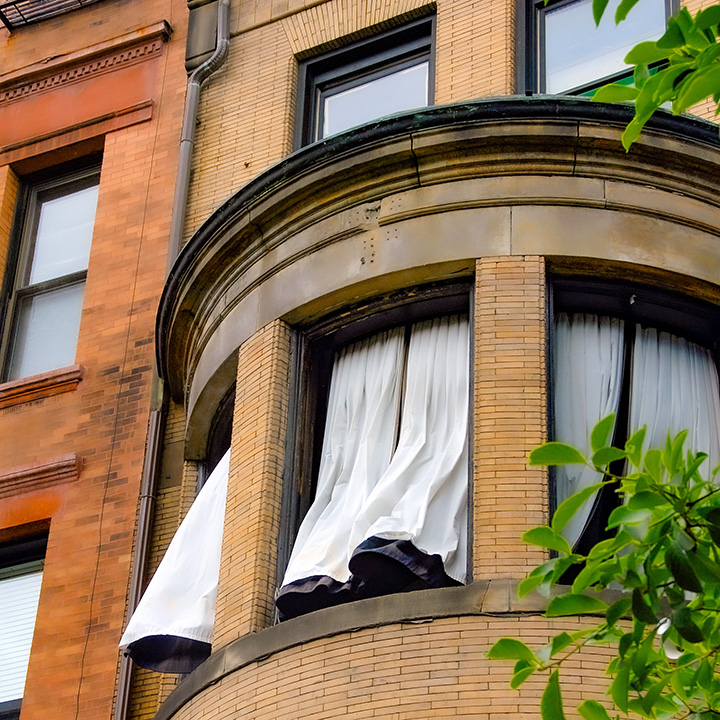
Adaptable
Sustainable buildings should be adaptable because if they endure, they will need to be used for many purposes over the centuries.
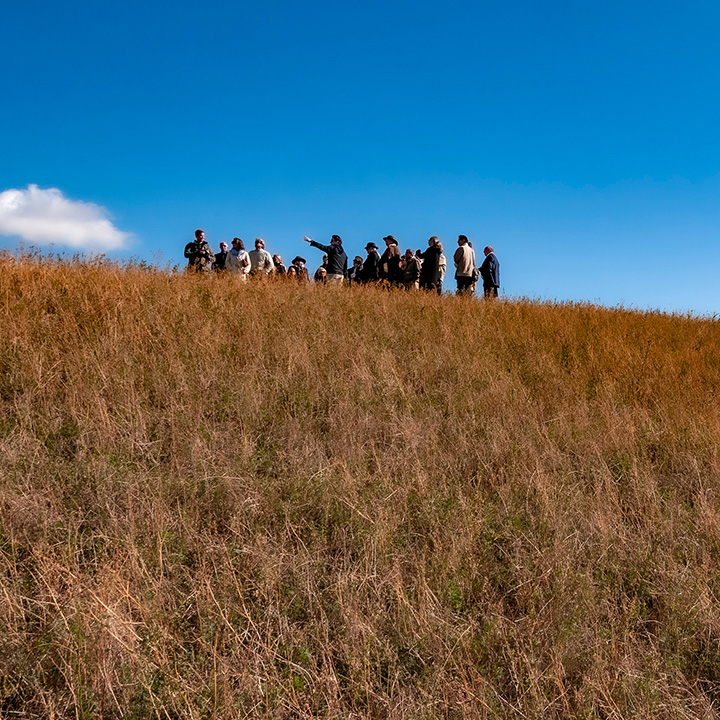
Frugal
Sustainable buildings should be frugal because energy hogs cannot be sustained in a healthy way,long into an uncertain future.
Societies
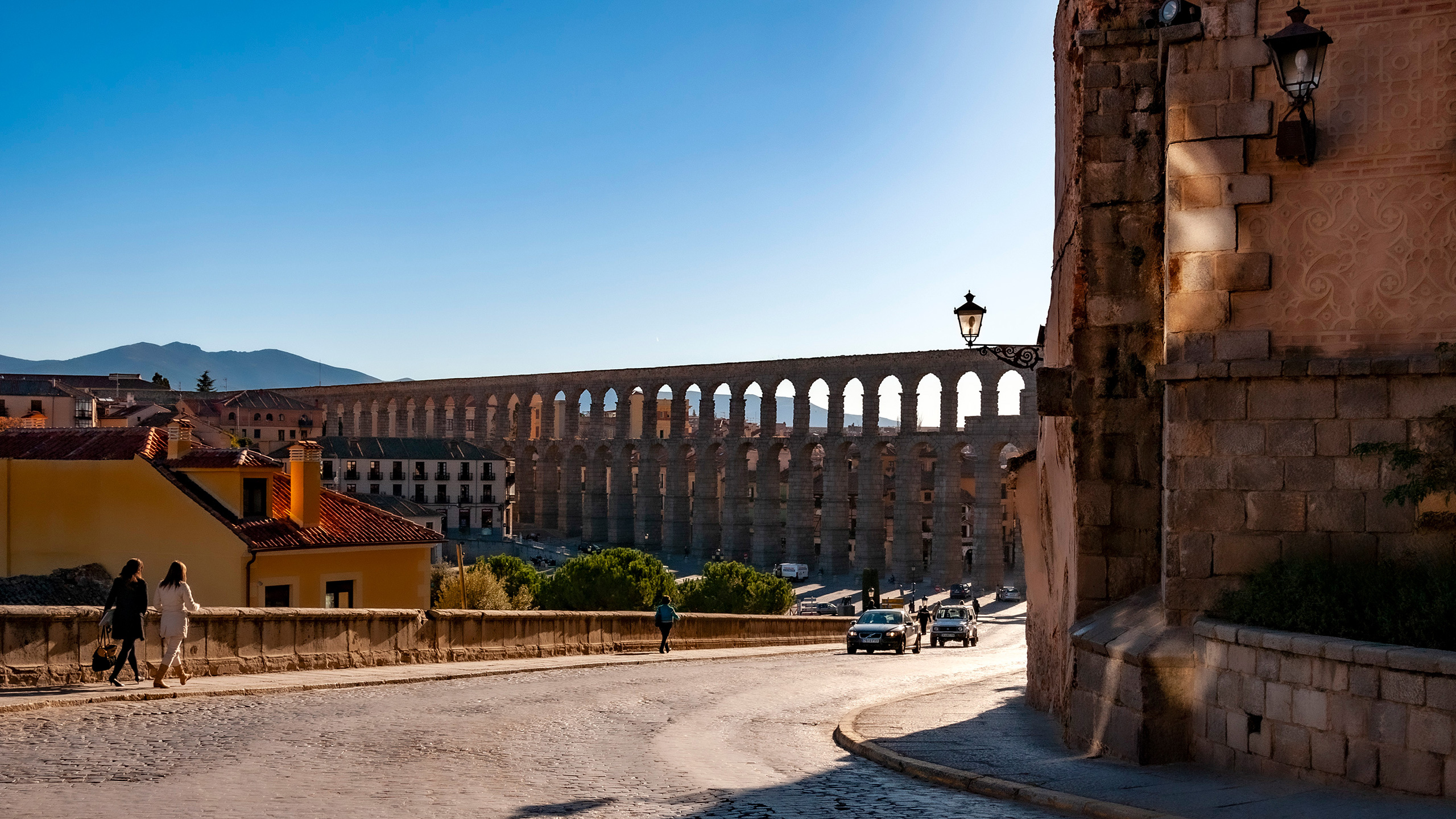
Sustainable places and buildings alone do not assure societies valuing life and liberty, and pursuing happiness within them. Rome is one of many examples of places that were sustained for centuries, then were reduced to a shadow of their former selves or lost entirely because of the loss of a sustainable society within. Sustainable societies should have strong education, economy, culture, and wellness.
Learning
A society committed to learning is essential, because a society may collapse from lack of both knowledge and wisdom; know-how and know-why.
Prospering
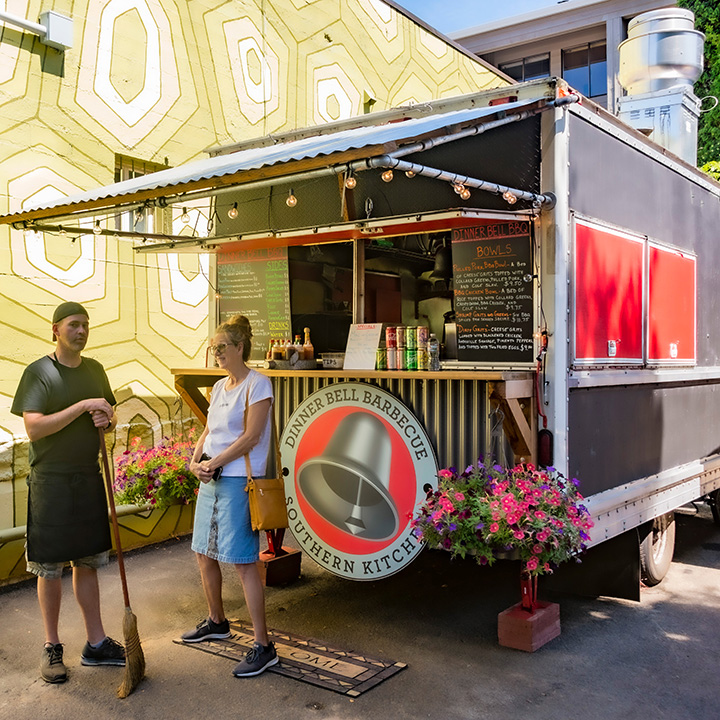
A society committed to prospering, especially at the grassroots level, is essential because homegrown prosperity cannot easily be taken away by corporations located somewhere else.
Enjoying
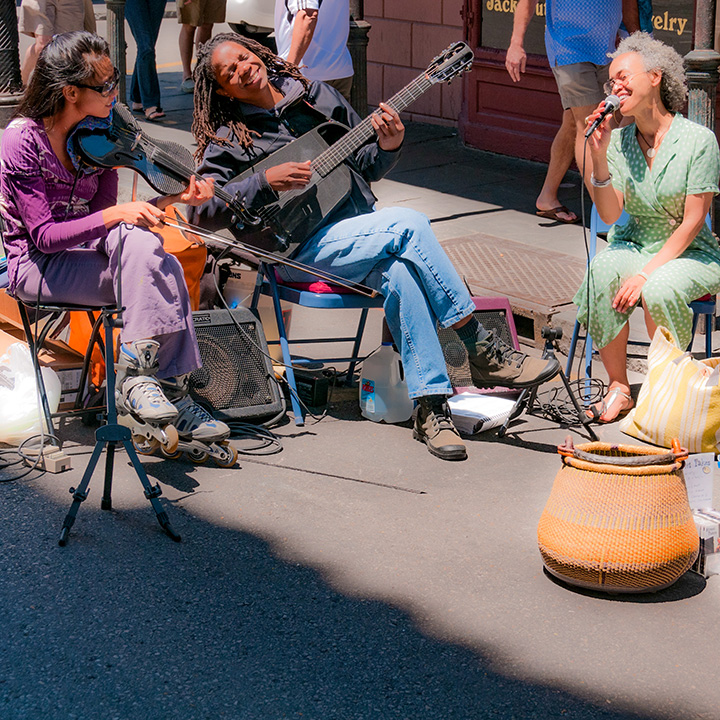
A society committed to joyful times is essential because people leave joyless places in search of better places when opportunities present themselves.
Healing
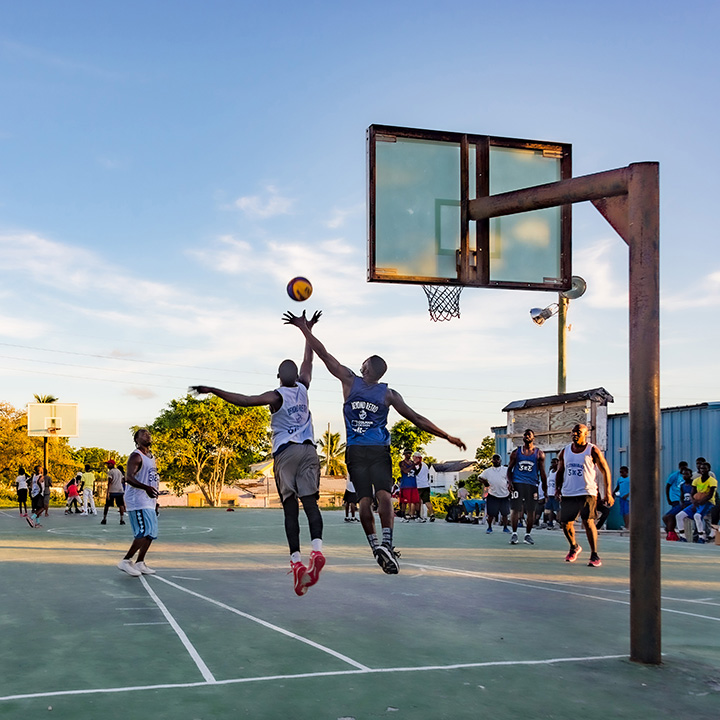
A society committed to healing focuses on wellness of body, mind, and spirit because healing the entire person is essential to a society that endures.

